


In Inky Steve’s latest column, he turns his attention to the NIKE ACG LDV throwback.

Nike has spent decades building one of the deepest archives in footwear. For sneakerheads, the company must have warehouses full of forgotten prototypes, old running shoes, and abandoned ideas that occasionally get pulled back into the light. Why Nike chooses certain silhouettes over others is probably a question for the design team, but every now and then a release appears that feels more interesting than a simple retro.
> Nike ACG + the Sea of Sameness
> 44 Trail Shoes Tested Over 6,000 Miles
> More articles by Inky Steve
For me, the Nike ACG LDV is one of those shoes.
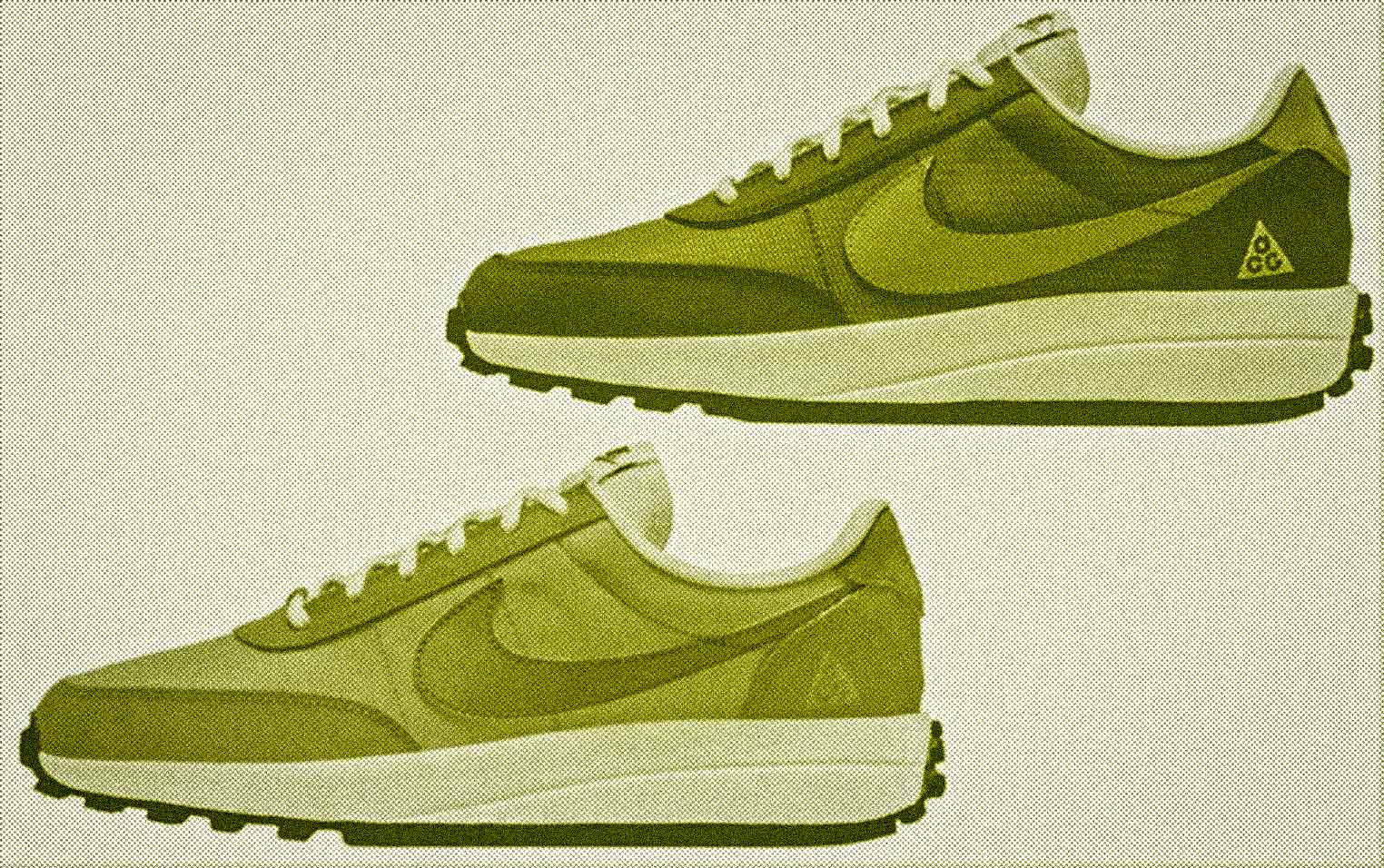
On paper, it’s a curious concept. A running shoe originally designed for long-distance road running in the late 1970s, reimagined through Nike’s modern ACG lens and marketed more as a lifestyle product than a performance thing. Yet after spending time with it, I keep coming back to the same conclusion: despite what Nike may have intended, this is still a running shoe.
To understand why the LDV matters, it helps to understand where it came from.
The original LDV, short for Long Distance Vector, was designed during an era when marathon running was exploding in popularity. Somewhere along the way, the shoe found itself on the feet of a group of climbers heading toward K2. At the time, mountaineering boots were heavy leather monsters, and these climbers were looking for something lighter and more agile. The shoes survived the expedition, although only just, and the story became part of Nike folklore.
A decade later, Nike entered the outdoor market through ACG, or All Conditions Gear. Under the guidance of designers like Tinker Hatfield, the brand produced classics such as the Air Mowabb, Wildwood, and Air Terra. Those shoes helped establish the visual language that still defines ACG today.

That history is what makes the new LDV interesting.
Rather than simply reproducing the original like they did in 2020, Nike chose to reinterpret it. As soon as I saw the leaked photos of that bright yellow colour way I knew I had to have it. The silhouette remains unmistakably LDV waffle racer aesthetic, complete with the reimagined waffle outsole and unmistakable 1970s running-shoe proportions, but the execution feels contemporary.
More importantly, the shoe captures something that modern running often forgets.
This isn’t a shoe obsessed with performance. It’s not trying to be the lightest, fastest, or most technologically advanced option on the market. Nobody is claiming it will shave minutes off your marathon time or revolutionise your trail running experience.

Instead, it reminds me of a period when running shoes existed simply to get people out the door. I’ve worn the LDV walking around the city, working all day, and running. It performs all three roles surprisingly well. The shoe feels versatile in a way many modern running shoes no longer do and it does it with style. It invites use rather than optimisation.
What Nike has managed to preserve is the DNA of the original. The colour, the shape, the outsole, and the overall feeling all remain intact. The result feels less like a remake and but a nod to past in a new way.
The BIGGER question is why Nike doesn’t do more of this.
The LDV proves there is room for thoughtful reinterpretations of classic designs rather than endless retro reproductions. I’d love to see the same approach applied to other iconic silhouettes in the Nike catalogue. An Air Max 1 treated with this level of restraint and respect for the original design language would be hard to resist.

For runners, the LDV occupies an interesting space. It reminds me of shoes like the Norda 002, the Pegasus, or even the Satisfy the ROCKER. Not because they are technically similar, but because they all suggest that a shoe can be about more than performance alone.
The LDV won’t be for everyone. That’s cool. What it offers instead is a reminder that sometimes the most interesting shoes are not the ones chasing the future, but the ones finding new ways to revisit the past.
Podcast: Satisfy Founder, Brice Partouche