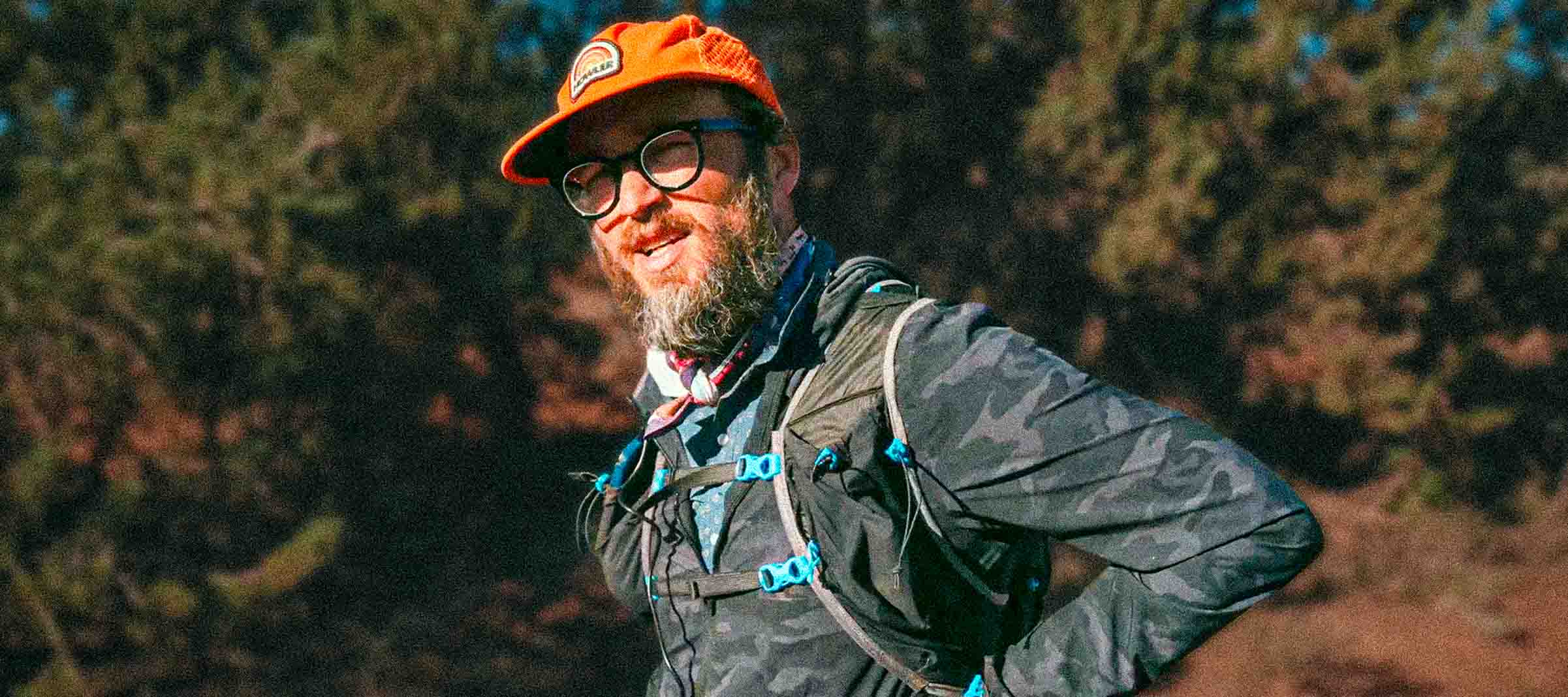


People keep saying that trail running is becoming like skateboarding. At a glance, the comparison holds up. The visuals line up. The tone feels familiar. There’s a shift happening in how the sport presents itself—and it looks a lot like something skateboarding figured out a long time ago.
Why the Comparison Between Trail Running and Skateboarding Feels So Accurate
The footage is grainier now. Less polished. More handheld than produced. The focus has moved away from finish lines and podiums toward something less defined—the middle of the effort. Breathing, fatigue, atmosphere. Moments that feel lived in rather than staged.
Alongside that, the culture is changing. Crews are forming. Identity is starting to matter more than structure. People are organizing around who they run with, not just what races they enter. The run itself is no longer the entire point—there’s a social layer that extends before and after the miles.
If you’ve ever been close to skateboarding, even peripherally, it’s hard not to recognize the overlap. Skateboarding has always been about more than the act itself. It carried its own rhythm, its own sense of belonging. So when running begins to echo that—even partially—it’s natural to reach for the comparison.
But there’s something off in it.
How Trail Running Adopted Skateboarding’s Visual Language
Part of the confusion comes from how easily visual language can be replicated. Skateboarding developed a specific aesthetic over time, but that aesthetic was never the source of its authenticity. It was a byproduct. Grainy clips, imperfect filming, raw environments—those weren’t stylistic choices at first. They were conditions.
Running, by contrast, is now adopting that same visual language intentionally. The shift away from polished race coverage toward more “real” moments is deliberate. And while it may feel authentic, it’s worth questioning whether it carries the same meaning.
Impressions of Klattermusen,
Rachel Entrekein and the Story Trail Running Needed,
The Curious Case of Emory Atterberry
Why Aesthetic Doesn’t Equal Authenticity
Because skateboarding was never just about how it looked. It was defined by what it pushed against.
The environment in skateboarding is inherently adversarial. Streets, rails, stairs—spaces not designed for skating. The act itself involves a kind of resistance. Being told to leave, getting kicked out, negotiating space—these are not side effects. They are part of the experience. That friction shapes the culture.
The Core Difference: Skateboarding Pushes Against, Running Relies On
Trail running operates differently. The environment is not something to push against but something to move through—and, importantly, something that must remain accessible. Trails require maintenance. Access depends on land managers, permits, and a broader system of cooperation. If that access disappears, the sport changes fundamentally.
This creates a different relationship to authority. In skateboarding, authority is often the obstacle. In running, it is part of the structure that allows the activity to exist at scale. Races, organized events, and even casual use of trails rely on systems that are, at least to some degree, institutional.
How Structure and Access Shape Running Culture
That difference is not minor. It shapes everything downstream.
Once an activity exists within a system, it becomes easier to formalize, refine, and eventually commodify. And that process is already visible. The aesthetic that once signaled something organic—something unfiltered—is becoming recognizable. And once it’s recognizable, it can be reproduced.
When “Real” Becomes Something You Can Buy Into
Not just in media, but in products.
Gear that looks worn-in. Apparel designed to feel like it has history. A kind of prepackaged authenticity. It’s designed to appear undesigned.
What used to emerge naturally from participation can now be accessed directly, without the same underlying experience. You don’t necessarily have to live it first. You can step into it.
The Subtle Shift from Participation to Presentation
At a certain point, that shift becomes noticeable. It starts to feel less like participation and more like presentation. Less about doing the thing and more about signaling proximity to it.
This isn’t unique to running. It happens to any culture that grows. But it complicates the idea that running is becoming like skateboarding in any meaningful way.
Why Trail Running Doesn’t Need to Be Skateboarding
Because skateboarding’s authenticity was never just aesthetic—it was structural. It came from friction, from a lack of permission, from operating outside of formal systems. Running, especially trail running, does not share those conditions.
That doesn’t make it less real. It makes it different.
And maybe that’s the more useful way to think about it.
Running doesn’t need to inherit the identity of skateboarding to feel meaningful. The emerging culture—crews, shared experiences, a shift away from purely outcome-driven narratives—is real in its own right. It just comes from a different set of constraints.
It’s built on access rather than resistance. On cooperation rather than opposition. On shared use of space rather than contested space.
You Can Copy the Look—But Not What It Means
Those distinctions matter, even if they’re less visible than aesthetics.
So when people say that trail running is becoming like skateboarding, they’re not entirely wrong. They’re noticing something real in the way the sport looks and feels on the surface.
But underneath, the foundation is different.
And no matter how closely one mirrors the other visually, that underlying structure is what ultimately defines the culture.
You can copy how something looks.
You can’t copy what made it what it is.