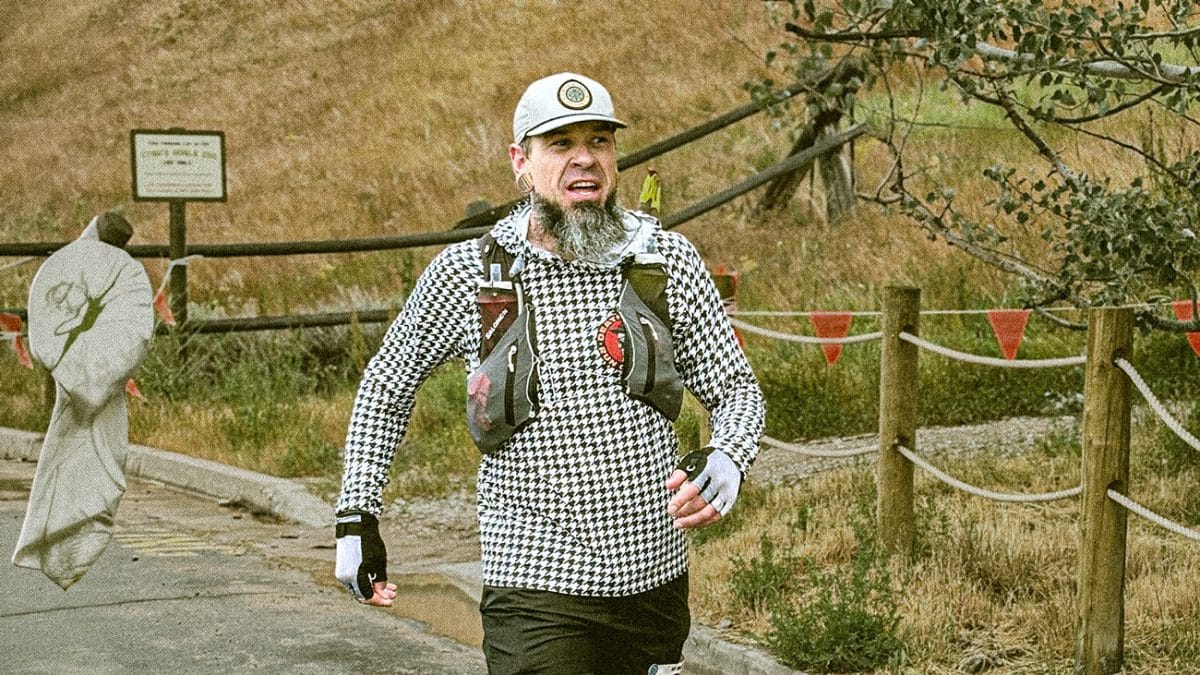


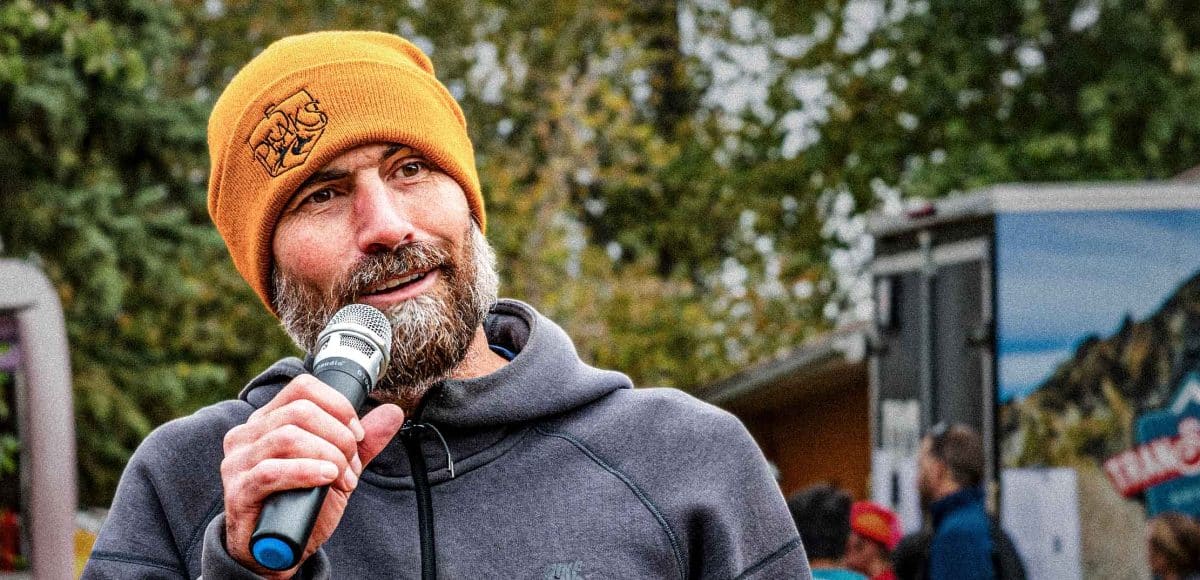

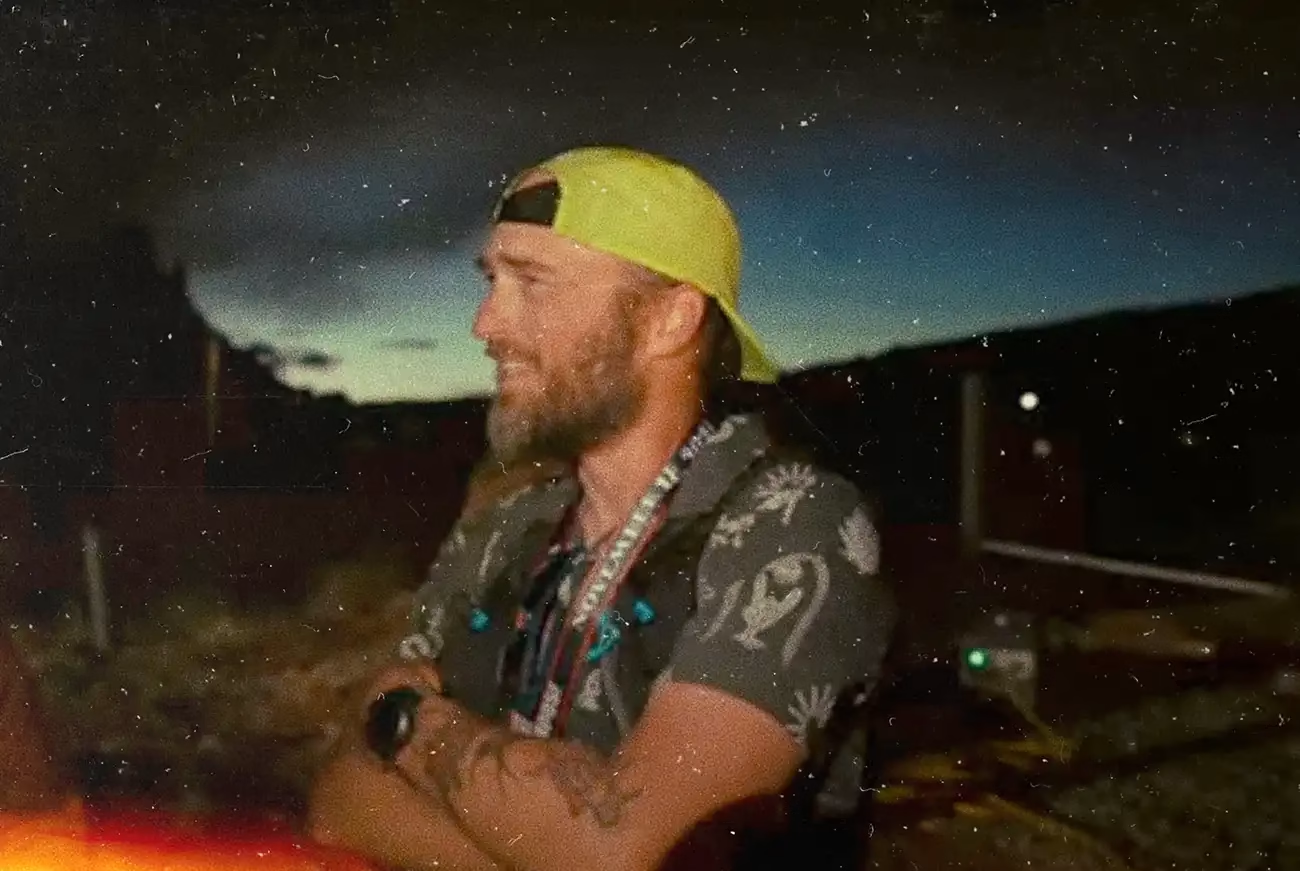
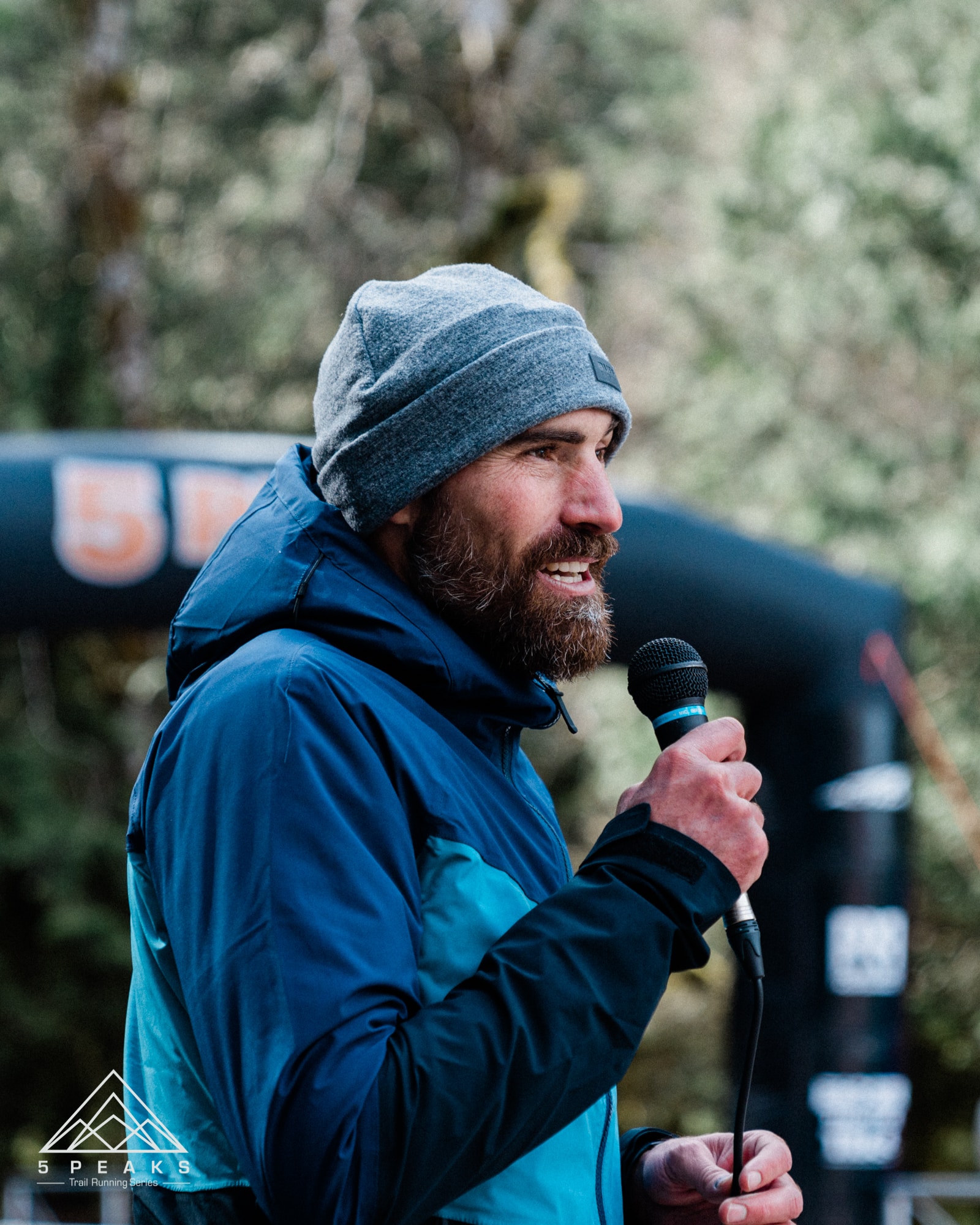
Jacob Puzey has been in the running zeitgeist for decades now. He lived in a place and time as an elite runner that will be something akin to when baseball players moved from hobby to paid pros.
Without Jacob and his cohort of pro runners, the new elites would have a very different experience. Brands had to learn how to partner with runners where there is no fan experience to fund pro runners.
We sat down two years ago while I lived in Copenhagen. I was about to move to Paris for 2 years destined to a life of road running and Jacob brought his signature quiet wisdom and insight.
Podcast Show Notes
Professional running can quietly turn into pressure, performance, sponsorship obligations, and constant visibility. This episode with Jacob Puzey is for runners who have felt burnout creeping into the thing they once loved and want to rediscover simplicity, rhythm, and freedom in running again.
After twenty years as a professional runner, coach, race director, and sponsored athlete, Jacob reflects on what happened when the pressure finally disappeared. What starts as a conversation about road running slowly becomes something much deeper about identity, aging, social media, routine, and why signing up for hard things still matters even after competition stops mattering.
Timestamps
00:43 Rediscovering the Joy of Running
07:41 The Journey Back to Running
11:39 The Transition from Competition to Personal Growth
14:50 The Journey to Scholarship and Running
19:20 The Importance of Commitment in Running
Related Episode
A Flow State Not Available to Runners | Jacob Puzey
Presented by Kiprun.
Transcript
Show Transcript
Jacob Puzey (00:00)
Personally, I really enjoy the simplicity of it.
Josh Rosenthal (00:03)
Hmm. Hmm. That’s a way to put it.
Jacob Puzey (00:05)
I think one of the pros of it being so boring and monotonous then was that that wasn’t what drew me to running, I guess. It wasn’t this visual or outdoor stimuli that like where every run had to be Instagram worthy in terms of, look at this beautiful place that I’m running. I live in a place like that now.
Josh Rosenthal (00:09)
Mm -hmm.
Right?
Yeah.
Jacob Puzey (00:33)
But that’s not what running was like for me for 20 years. And so I just like to run. I I liked getting up at 5 a ⁓ as a 14 year old kid and putting on sweats, going out in the dark and just feeling good about myself when I finished and knowing that I was doing what I loved and I was putting in the work.
Josh Rosenthal (00:38)
bright.
Really?
Jacob Puzey (01:03)
I think there’s something to be said for just, just loving running for running sake. And in some respects, trail running is different than road running in that it’s, almost a different sport depending on how you look at it. But, ⁓ yeah, but at the same time, like it still is just bipedal locomotion. And so like you’re, you’re just moving and you’re breathing and it, it makes us all feel alive, even though sometimes it feels like.
Josh Rosenthal (01:14)
Yeah. Yeah.
Yeah.
Yeah.
Jacob Puzey (01:33)
we’re killing ourselves doing it, but yeah.
And, really it’s, it’s those micro deposits that make a difference in the same way that, you know, we’ll say, you know, when I look at my credit card statement, I don’t have any major purchases, but how did I spend that much, you know, over, this amount of time? It’s the same thing. It’s those micro withdrawals, but it’s like, what if we’re doing more micro deposits than, than micro withdrawals? ⁓ and yeah.
Josh Rosenthal (01:39)
Hmm.
Yeah.
Yeah.
I mean, I have almost never worked on my mechanics as a runner. You know, I’ve been, you know, in trail since running 12 trail since 11 or 2012, something like that. And I’ve never had like a season of focused on mechanics. I’ve tried to focus on speed and stuff like that. But you’re as I think about what you’re saying with road, you’re like, yeah, like that’s, that’s the time to work on mechanics. And because you’re in that flow state, you’re in that rhythm state. And it’s like, what else are going to do? Like,
You’re you’re you’re trying to find rhythm and that feels like that’s a mechanical effort to find it like a mechanical rhythm Now the cement question is is I set my sights back on you know the trail hundred -miler I’m better for that as a trail runner Right if I spin that if I spend the next 12 months focusing on mechanics on the
Jacob Puzey (02:40)
Absolutely. Yeah. You’re it’s like riding a bike. Like it’ll take you a little bit of time to like react to the trails. But but you’re you will likely improve your you’ll improve your cadence. You’ll improve running economy. You’ll improve and turnover. It’s another word for cadence. Well, you will likely be able to push your your lungs and your heart in ways that you wouldn’t be able to do.
Josh Rosenthal (03:00)
Okay.
Go.
Jacob Puzey (03:10)
on the trails largely because sometimes like that you’re, focusing on so many other variables, like, like the terrain underfoot. if you don’t have good footing, your, your energy is going into trying to stay upright. Whereas if you do have good footing, you can just, you just hit the ground and just pop right off versus you’re moving around and sliding and things like that. And so, ⁓ yeah, I think you definitely can improve.
Josh Rosenthal (03:19)
Yeah.
Yeah. Hmm.
Jacob Puzey (03:40)
your engine, you can improve your turnover, but yeah, you can definitely improve your mechanics. When I was…
I ran collegiately, but when I was training for my first marathon, had taken some time off and I was actually quite burnt out after competitive running on the track in cross country and just trying to earn a scholarship. Because I didn’t have a scholarship, but I wanted to prove myself. I killed myself every single day in practice, trying to prove that I was worthy and that I deserving of a scholarship and stuff. But I was also…
Josh Rosenthal (03:50)
Mm
Mm
Nah.
Mmm.
Jacob Puzey (04:15)
I did have academic scholarships, so I was taking a full load and trying to like do well in school. it just crushed me. And so like, I didn’t have a desire to run for a couple of years. And then I finally started running again. And when I started running again, I did it on a treadmill largely. Like I was going to school in the inner mountain west and it was really cold in the winter. And so I, again, I…
Josh Rosenthal (04:21)
Gosh.
Okay.
Jacob Puzey (04:45)
I’ve just always been an early morning person. And so like I’d go over to the school gym like 5 a as soon as it would open. And it was me and a handful of professors in the gym. And so I basically had the treadmills to myself. And so I ran facing a mirror and there was a mirror behind me and call it narcissistic or whatever. But like it was beautiful in that, not that I was beautiful, but it like, I think there were even mirrors on the side.
Josh Rosenthal (04:55)
Mm
Mmm.
Yeah,
just.
Jacob Puzey (05:11)
And
never in life, I basically got to do like a gait and form analysis, like 360. And I know that a lot of that, there’s a lot more technology now, but this was 20 years ago, you know? And so I was learning to run efficiently and I was actually like returning to run. And so it was really helpful for me to like be able to just break it down and say like, okay, my arms are swinging this way. I want to keep them more to the side or I need to drop my shoulders.
Josh Rosenthal (05:15)
Yes.
Yes, that is amazing. Yeah. Yeah.
Hmm.
Jacob Puzey (05:41)
my head doing? What’s my neck doing? Am
Josh Rosenthal (05:41)
Yeah. Yeah.
Jacob Puzey (05:43)
I leaning forward at the hips versus am I upright or am I too far back? And I did that every single morning for that semester. I ran 10 miles every single day. I’d run 10 miles in the morning. And if I got done with all my homework before the gym closed, I’d go and run 10 miles at night. that got me both back into running and enjoying running. And it also like…
Josh Rosenthal (06:08)
Yeah.
Jacob Puzey (06:10)
gave me bookends to my day and it got me really fit. Because I wasn’t even paying attention to the pace or anything like that. I was just focusing on finding that flow. And then I got fit and I ran my first marathon and surprised myself and even surprised my college coach who, he knew I had potential but I didn’t show it when I ran for him. And then my debut marathon wasn’t anything spectacular but it surprised me with going from no experience and it gave me
Josh Rosenthal (06:14)
Hmm, yeah.
Yeah. Yeah.
You
Jacob Puzey (06:40)
insight into like that, that experience gave me the confidence to continue running beyond that. But I honestly didn’t know if I’d be running post collegiate.
Josh Rosenthal (06:45)
Yeah.
you’ve always been a competitive runner and I’m competitive, but we mean different things by
my perception is that if you’re going to run a race, you’re probably going to think about like, can I win this?
Do have a gear where you could finish in the bottom 25 % and be happy? are you always thinking about how you’re going to
outperform somebody
Jacob Puzey (07:05)
No, not anymore. And I’m really at peace with that. Like I’m really grateful for where I’m at in my life. And I don’t fault anyone who’s in a different place. I don’t think it’s a bad to be with oneself.
Josh Rosenthal (07:10)
That’s great. Yeah.
Yeah, yeah, yeah, me neither. Yeah, I’d love to still be
crushing it and destroying, the field.
Jacob Puzey (07:20)
no, and to me it’s not even that I don’t think I could. Like I have had some health issues over the last three or four years, like just nagging injuries. And I was actually signed up for the Swabish 50 this weekend. And it’s a beautiful course and a beautiful community. And I really love the race directors, their friends and colleagues, and we support one another. Gary Robbins and Jeff Langford and that community.
Josh Rosenthal (07:27)
Okay.
Okay.
yeah, okay.
Jacob Puzey (07:49)
I host a bunch
Josh Rosenthal (07:49)
Yeah.
Jacob Puzey (07:49)
of races in that area and a lot of those people are my friends and I really just wanted to go there to take it all in, experience the beauty. It certainly has a storied history. But I got sick about a month ago and I haven’t really even been able to breathe fully, like even just on my walk jogs. So I got some lung stuff and bronchial stuff going on and so I…
Josh Rosenthal (08:05)
Okay.
Yeah.
Jacob Puzey (08:18)
I decided not to go and race and just kind of took it off the table and just said, I’m not gonna, I have this other event that I’m putting on the following weekend and it really is a full week of just like on course around the clock kind of work. And I just can’t, I can’t sacrifice not being able to be the best I can be for that event and for those people and for my crew. But as far as competition, I just, I, it’s a beautiful thing.
Josh Rosenthal (08:36)
Yeah. Yeah.
Jacob Puzey (08:46)
But like I said, I’m just, I’ve always been a lot more process oriented. I, I just, I feel better if I get out each day or as often as possible. But I, I also just want to get back to the basics. it’s, I’ve had young kids and, and, with the lifestyle of a race director and even a professional athlete and traveling and stuff like that to races.
Josh Rosenthal (08:54)
Yeah.
Yeah.
Jacob Puzey (09:10)
It’s stressful and it’s hard to maintain a routine sometimes just because, you know, I wake up to an inbox full of emails. so if I open my phone or open my, my laptop, I I literally, I think yesterday I was on my computer from 5 a until 5 p And then I finally was like, okay, I gotta go out for a run. And, and that was just dealing with, you know, race guides and website maps and questions and emails to previous emails and stuff like that. like,
Josh Rosenthal (09:20)
here.
Mm. Yeah.
Ugh.
Jacob Puzey (09:40)
I love what I do, but I’m trying to get back to just a place where.
I ironically swear running is more a regular part of my life. Like even though it’s, it has been my livelihood for a while now.
Josh Rosenthal (09:50)
Yeah. Yeah, it’s like
it’s it’s your business, but that’s very different from it still being your lot, your you know, your personal life.
Jacob Puzey (09:57)
Yeah,
yeah, yeah. I, this is the first year that I haven’t run, like that I haven’t renewed any contracts to run professionally. And that has been like a huge relief and just like weight off my shoulders or off my chest. And then, yeah, like I mentioned, I’m no longer coaching and part of it is like, I love that connection, but I hate failing. I hate like, I hate not being able to.
Josh Rosenthal (10:05)
Okay. Wow. Wow.
Yeah
Mmm.
Jacob Puzey (10:25)
give people what they, it’s not about me, but it’s like, hate committing to something and not being able to be good at what I’m doing. And I felt like with all the demands from the races, I wasn’t able to respond as quickly as people want. Cause that was all do online coaching. Like I coached for about a year where I went online and then I’ve been coaching online for the last 10 years. So this is the first year that I haven’t coached and or raced or been sponsored as an athlete for.
Josh Rosenthal (10:30)
Yeah. Yeah.
Mmm.
Wow.
Jacob Puzey (10:55)
for 20 years.
Josh Rosenthal (10:56)
So with those sponsorships, do you feel the pressure from those engagements to perform? Like, I assume there’s incentives within those contracts. Like if you do perform, you get bonuses. But like to sign that contract, is it equal parts joy and pressure to perform?
Jacob Puzey (11:14)
yeah, it reminds me a lot about like how it felt to, to earn, ⁓ an athletic scholarship. And like, I’m super grateful that I did, but, but it was really weird. Like I didn’t, ⁓ so my, freshman year of college, I was a walk on and didn’t, didn’t earn one. ⁓ and I was, you know, I, I w I did every sort of odd job you can in a farm town, ⁓ to save money. And then I got good grades. And so I went and I, and I was able to pay for my school my first year. And then,
Josh Rosenthal (11:22)
Mmm.
Jacob Puzey (11:42)
I wasn’t planning on going back after my first year. I was planning on taking a break for two years, then based on how things lined up, I wasn’t going to go to Panama for a bit longer. That was right after 9 -11, so a lot of stuff was happening in the world. Anyway, I wasn’t able to go as soon as I was planning on. So my college coach…
Josh Rosenthal (11:59)
⁓ gosh.
Jacob Puzey (12:08)
a spot opened up and he contacted me and I honestly hadn’t trained all summer. just like, my brother had a stress fracture and so we rode bikes all summer, but like we didn’t, like I wasn’t training for anything because it was like, I’m not going into cross country season. He contacted me like three weeks before the season started and was like, hey, do you want to come back? And I’ve got a full scholarship for you. And I was like, wow, this is like, this is what I dreamed of my like all through high school. Like even from this, I’m always a little kid. Like I did, I used to sing that Gatorade song like,
Josh Rosenthal (12:26)
Wow.
Yeah.
If I could be like Mike? Yes. Yep. Dude, I showed my kids that like six weeks ago. We found the Gatorade commercial on YouTube and we watched it like 10 times. I love that song.
Jacob Puzey (12:36)
Yeah, sometimes I dream that he is me. You got to see that. I dream too, Pete.
Yeah. So I wanted to be Mike
and then sadly I didn’t grow and I didn’t grow into my feet until I was like a junior, senior in high school. And so I eventually quit running or I quit playing basketball because that was my life and started running. I tried to do both in the winter and then eventually I just said, you know, I’m going to do indoor track and I’m to be a runner.
and I want to get a scholarship. And that was a big deal, like with a big family and one income. And it just wasn’t, it wasn’t in the cards for my parents to be able to assist me in any way with my school. so it was always going to be on me. And so it was like, I want to earn that. And so I just tried really hard in school, tried hard with running, but then it felt very similar where it was like, I don’t even know if I want to do it now when he offered it to me and I accepted it. And I tried the best that I could. And I was able to make the
Josh Rosenthal (13:25)
Yeah, yeah, same.
Jacob Puzey (13:42)
the travel team and score for the team in a few meets. And that was something I was crowded, but it kind of felt like that. As a post collegiately, as I started running for brands, started as gear. And then eventually it came with some money, whether that was for travel or sometimes an actual stipend or salary. But with that came.
Josh Rosenthal (14:04)
Yeah.
Jacob Puzey (14:07)
the expectation of doing a lot on social media. Like about 15 years ago, performance seemed to matter very little or started to matter very little.
Josh Rosenthal (14:14)
Hmm.
Jacob Puzey (14:20)
And what mattered most was following and engagement on social media. Yeah. And, you know, I was able to cobble things together in terms of like, would try and get sponsorships as a…
Josh Rosenthal (14:20)
Yeah.
Engagement, yep.
Jacob Puzey (14:36)
as an athlete, but then also have those sponsors, ⁓ help out the athletes that I was coaching or, you know, help us with uniforms or shoes or something like that for the athletes I was coaching. ⁓ or, or with the races I was directing. So, so it ended up being kind of a combination of things, but yeah, it’s just nice to not have to be on social media if I don’t want to be on social, like to not feel like I have to do a post X number of times a month. ⁓ and that, that somehow someone owns, owns me or I owe someone something.
Josh Rosenthal (14:55)
haha
Yep.
I bet that, I bet that does feel nice. as a race director and a, a businessman, are you, are you targeting, are your races on the calendar of a lot of elite athletes? Like, is that part of your model? Like you want to see elite athletes show up to your race? Are you like, who are you targeting with those?
Jacob Puzey (15:20)
I think running can and should be as accessible as possible to as many as possible.
Josh Rosenthal (15:26)
You
Jacob Puzey (15:26)
Yeah. majority of my events are very entry level and they, you know, we we’ve hosted the, mountain running championships. And so, so a lot of times, you know, those, those entities will ask us if we want to, you know, use one of our races and play host and we do that.
Josh Rosenthal (15:30)
I love that so much.
Jacob Puzey (15:44)
And, you know, we don’t say no if elite athletes contact us. And a lot of elite athletes did get their start, like trail running in our race series. But then they move on to bigger and better things. Like Gary Robbins started trail running at a five -peaks trail run. Yeah. And then he worked for five -peaks and was a course marker and he eventually became zone race director with Coast Mountain Sailing.
Josh Rosenthal (15:48)
sure.
I love that.
Are you serious? nice. ⁓ no way.
Yeah.
Jacob Puzey (16:12)
That is one thing that I really appreciate about just the running industry in general. Like most of us are colleagues and try and support one another. And I wouldn’t say we stay in our lane, but we try to like collaborate and, ⁓ you know, like my events are, kind of like the precursors to Gary’s events. And so in Vancouver, it’s like, you know, we, we don’t want to compete with, with dates or venues or, even for volunteers or participants. But a lot of times it’s like, people will get our, get their start with my events and then they’ll.
Josh Rosenthal (16:20)
Yeah.
Jacob Puzey (16:40)
they’ll move up to his events. His events are more aspirational. For some of them, well, not everyone, some people just stick with what we got. So,
Josh Rosenthal (16:41)
Yeah. Yeah.
Jacob, I can’t thank you enough for taking the time I really appreciate you.
Jacob Puzey (16:50)
Yeah.
I appreciate the opportunity. It’s kind of funny, like being sort of out of the mix and not current as a competitor. I get a lot fewer requests to do these than I once did. And I enjoy like actually having conversations and talking about things. I love running.
Josh Rosenthal (17:04)
yeah.
Jacob Puzey (17:13)
I genuinely want people to, ⁓ not just do my races, but just sign up for any sort of challenge. Just because I think some, I think that accountability piece is, is is a really important piece, ⁓ where you do put, you invest a little bit into this. Yeah. Yeah. It’s, it’s a lot more likely that people will show up to something that they’ve paid for and then trained for.
Josh Rosenthal (17:20)
Mm -hmm.
Absolutely.
Yeah, I was gonna say you commit money to it and then you’re sort of like, obliged to do it.
Jacob Puzey (17:41)
versus something that they sign up for as a Facebook event that’s just, I’m interested and it’s free. And I love that grassroots kind of way of doing things, but there is something magical about having a challenge to work towards. And I think it helps all of us just to become better versions of ourselves, not just better runners. Yeah.
Josh Rosenthal (17:46)
Yeah.
Yeah, man. Well, thanks.
I hope you have a good day. Hope your race goes well that you’re that you’re about to put on.
Jacob Puzey (18:12)
Yeah, I appreciate it. Thank you.
Josh Rosenthal (18:13)
See you.