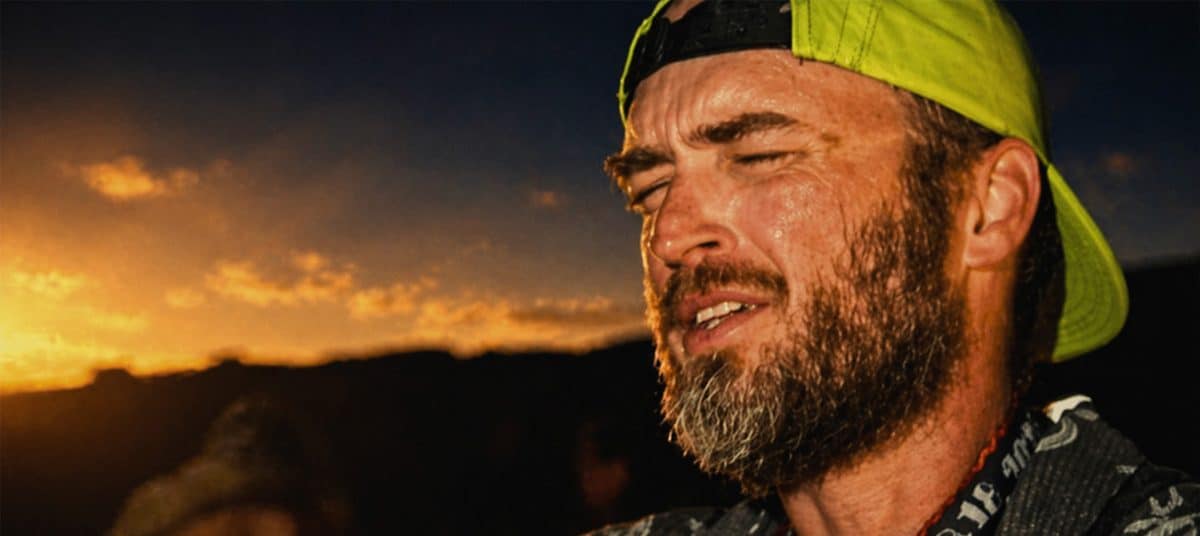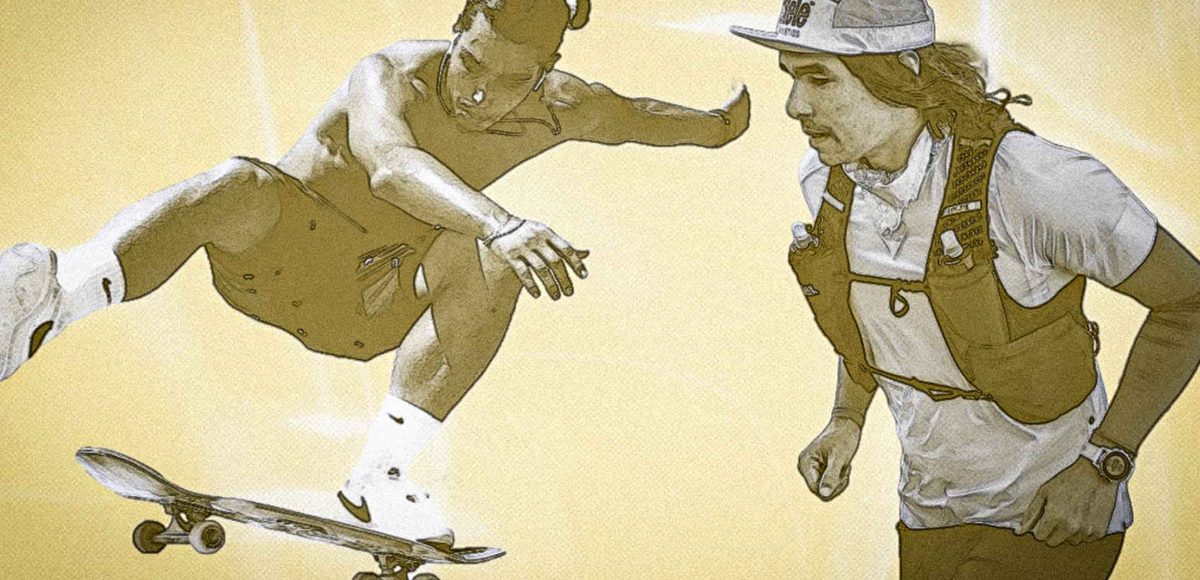
Trail running culture is starting to look a lot like skateboarding. Crews, aesthetics, and a more raw identity. But if you’ve ever wondered whether that comparison actually holds up, this episode breaks it down.
There’s a reason the connection feels right and a deeper reason it might not be. This isn’t about dismissing what’s happening in running, but trying to understand what it actually is. This episode is for runners who care about the culture of the sport, not just the miles. Subscribe for more episodes like this.
Presented by Kiprun https://bit.ly/kiprun_yt
Please take a sec to rate and review. It helps others find the good news.
Topics / Timestamps
• 1:20 Culture and Identity in Trail Running
• 4:19 The Shift from Results to Experience
• 06:41 The Intersection of Trail Running and Authority
• 10:21 The Intersection of Skate Culture and Trail Running
Resources / Links
• Josh Rosenthal
• Borderlands.cc
Related Episodes
• Dirtbag Culture vs. Luxury Running Brand
Presented by Kiprun.
Transcript
Show Full Transcript
People keep saying that trail running is becoming like skateboarding.
That it’s more raw now.
More about crews.
More about identity than structure.
And if you look at it—it kind of checks out.
The footage looks similar.
The energy feels familiar.
There’s something about it that feels… real.
But I think there’s something off in that comparison.
Because what made skateboarding culture real was never how it looked.
It’s like that idea from SLC Punk—
The most punk person in the room isn’t the one who looks the part.
It’s the one who doesn’t need to.
Sometimes the truest punk rockers wear a suit and tie
Because rebellion isn’t aesthetic.
It’s rejecting something you don’t like.
A status quo or maybe an abomination of status quo
And that’s where this starts to feel different.
Because trail running can copy the look—
the grain, the crews, the attitude—
But trail running still has to ask permission.
It’s the Borderlands Trail and Ultra Running Podcast, presented by Kiprun.
My name is Josh Rosenthal.
And if you haven’t checked them out yet—
take a look at the new Kiprun trail shoes called Kipsummit.
They’re thoughtfully designed, built to handle legit distance,
and just genuinely a joy.
Speaking of joy—
If you’re enjoying the show, follow or subscribe wherever you’re listening.
And if you can, leave a rating or review.
It really helps the show grow.
Alright…
So this idea that running is becoming like skateboarding—
I keep coming back to it.
And I get why that comparison shows up.
Because if you’ve ever been part of something like that—
something that had its own rhythm, its own identity, its own sense of belonging—
you don’t forget it.
You spend a long time trying to find that feeling again, whether you realize it or not.
And when something in running starts to look even remotely like it—
crews forming, shared language, a certain kind of energy—
it’s hard not to reach for that comparison.
To say: this is it.
This feels like that.
But I think there’s something off in that connection.
But before you even get into whether that comparison is right or wrong—
it’s worth looking at why it simply feels right in the first place.
THE THRASHER BLUEPRINT
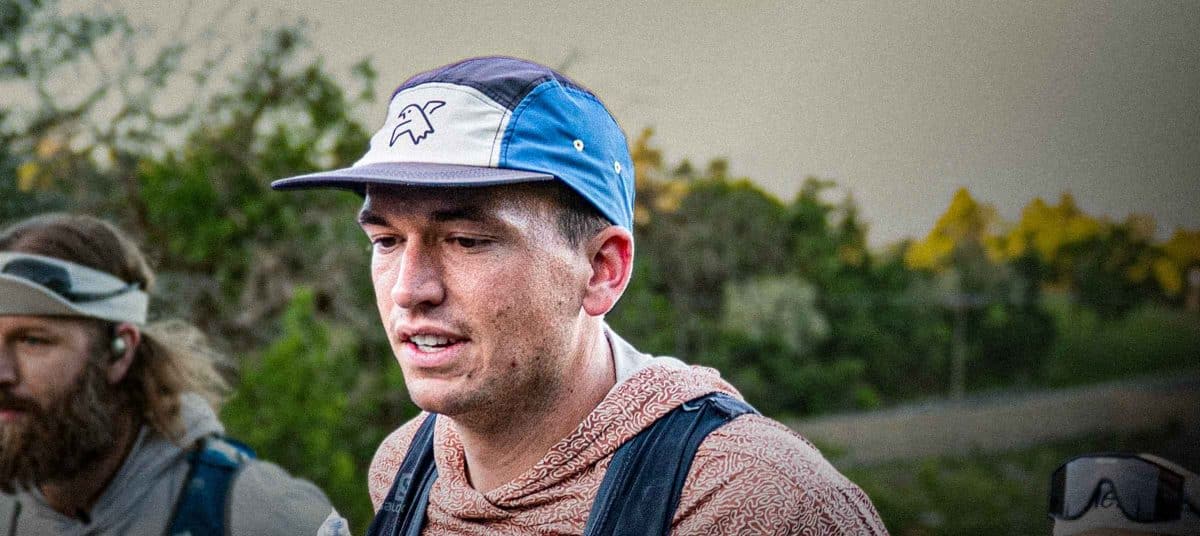
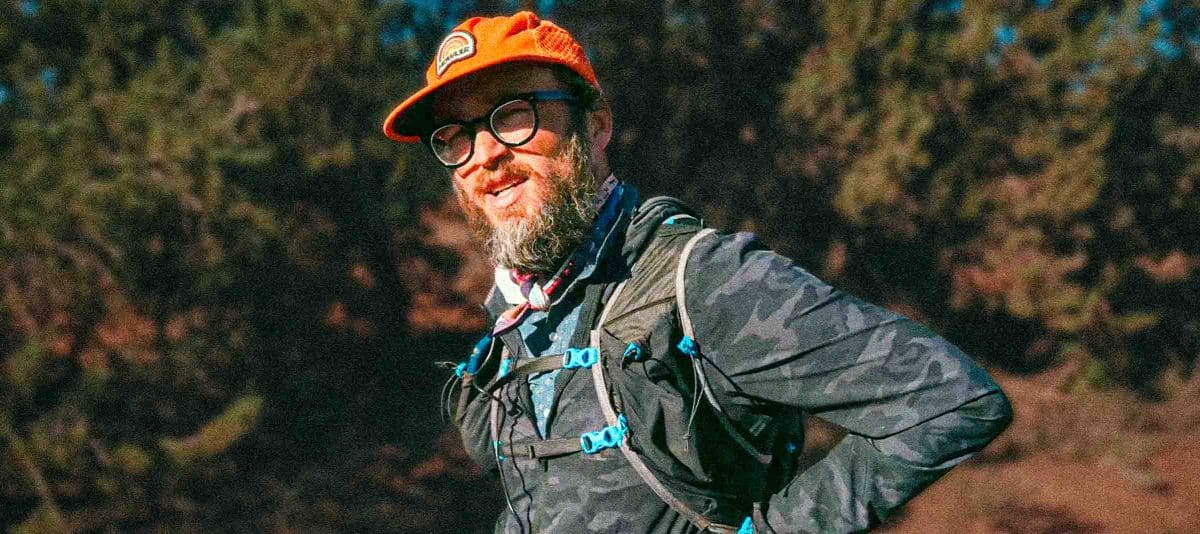
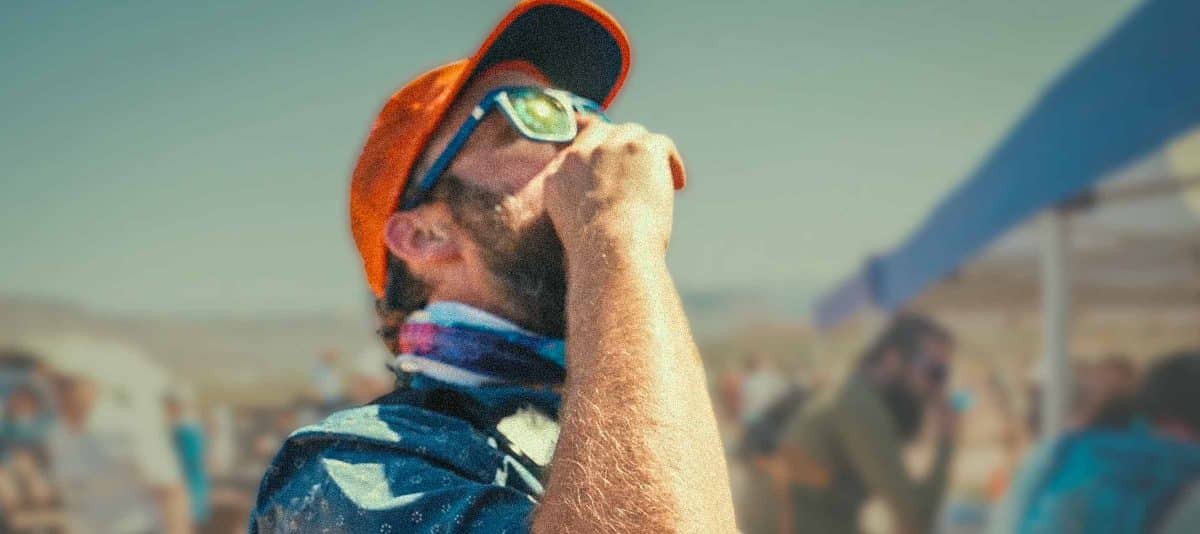
Because visually, trail running has moved in a very specific direction.
Grainy footage.
Handheld cameras.
Blurred photo edits.
Moments that feel captured instead of produced.
It doesn’t feel polished.
It feels immediate. Like Tommie Runz TSP.
And that language is familiar—
because skateboarding already built it.
And it goes beyond visuals.
Crews instead of clubs.
Identity built around who you run with.
Moments that matter more than results.
Even the imagery has shifted.
Away from finish lines…
toward something in the middle.
Effort.
Atmosphere.
Being there.
Because all of that signals the same thing—
This is real.
And that’s why this comparison is so compelling.
Because when something looks real—
it’s easy to assume it is.
And to be fair—
that doesn’t happen by accident.
STEEL MAN
Something real is happening here.
This isn’t just brands manufacturing a look out of nowhere.
You see it in the way crews are forming—
groups that aren’t built around races,
like Sam Lohse and Active Cultures meeting at the track every week for early morning speedwork—
but around showing up together, week after week.
Same time.
Same people.
Not because they have to—
because they want to.
And you see it in the way people linger around it.
The run isn’t the whole thing anymore.
People stay.
They talk.
They hang out.
It extends past the miles.
And you see it in how it’s documented—
Not the finish line.
Not the result.
But the middle.
The effort.
The feeling of being there.
And if you’re inside of that—
it probably doesn’t feel manufactured at all.
It feels like something you’re building.
But even if all of that is true—
trail running still depends on permission to exist.
Skateboarding never did.
And once you see it that way—
a lot of things start to look different.
COUNTER-CULTURE FRICTION
In skateboarding, the environment is something you push against.
Streets, rails, stairs—
things that weren’t built for you.
In trail running, the environment is something you move through.
Something you rely on staying open.
Maintained.
Accessible.
In skateboarding, getting kicked out is part of the experience.
In running, losing access affects everyone.
It’s not just your moment—
it’s the trail, the race, the community.
And the relationship to authority is different too.
In skateboarding, authority is often the obstacle.
In running, it’s often part of the system.
Land managers.
Permits.
Organizations.
They’re not something you push against—
they’re part of how this exists at all.
It doesn’t really seem like a culture built on pushing against authority.
It seems like one that works with it.
And if that’s true—
then it also explains something else.
COMMODIFICATION
Because once something lives inside a system—
it can be shaped by it.
Refined.
Distributed.
Sold back in a form people recognize.
And that’s what’s happening here.
The moment this look becomes identifiable—
it becomes something you can buy into.
Not just the gear—
but the feeling of it.
A singlet that looks worn-in.
A hat that feels like it’s been through something.
It’s designed to feel undesigned.
And that’s the shift.
What used to be a byproduct—
is now something you can access directly.
You don’t have to live it.
You can just step into it.
And at a certain point—
it starts to feel like something else.
Like we’re not actually doing the thing—
we’re presenting ourselves as if we are.
Wearing it.
Signaling it.
But not actually living inside the conditions that created it.
Can you imagine…
So then the question becomes—
what are we actually looking at here?
Because if this sport operates differently—
if it depends on access,
on shared systems,
on a relationship with the land—
then it’s not missing something.
It’s just something else.
And maybe I’m not the perfect person to say any of this.
I came up in a completely different world—
West Texas,
punk shows,
skateboarding—
chasing something that felt like it mattered.
So maybe part of this is just me recognizing—
those things don’t translate cleanly.
But I do know this—
You can copy how it looks.
You can’t copy what it means.