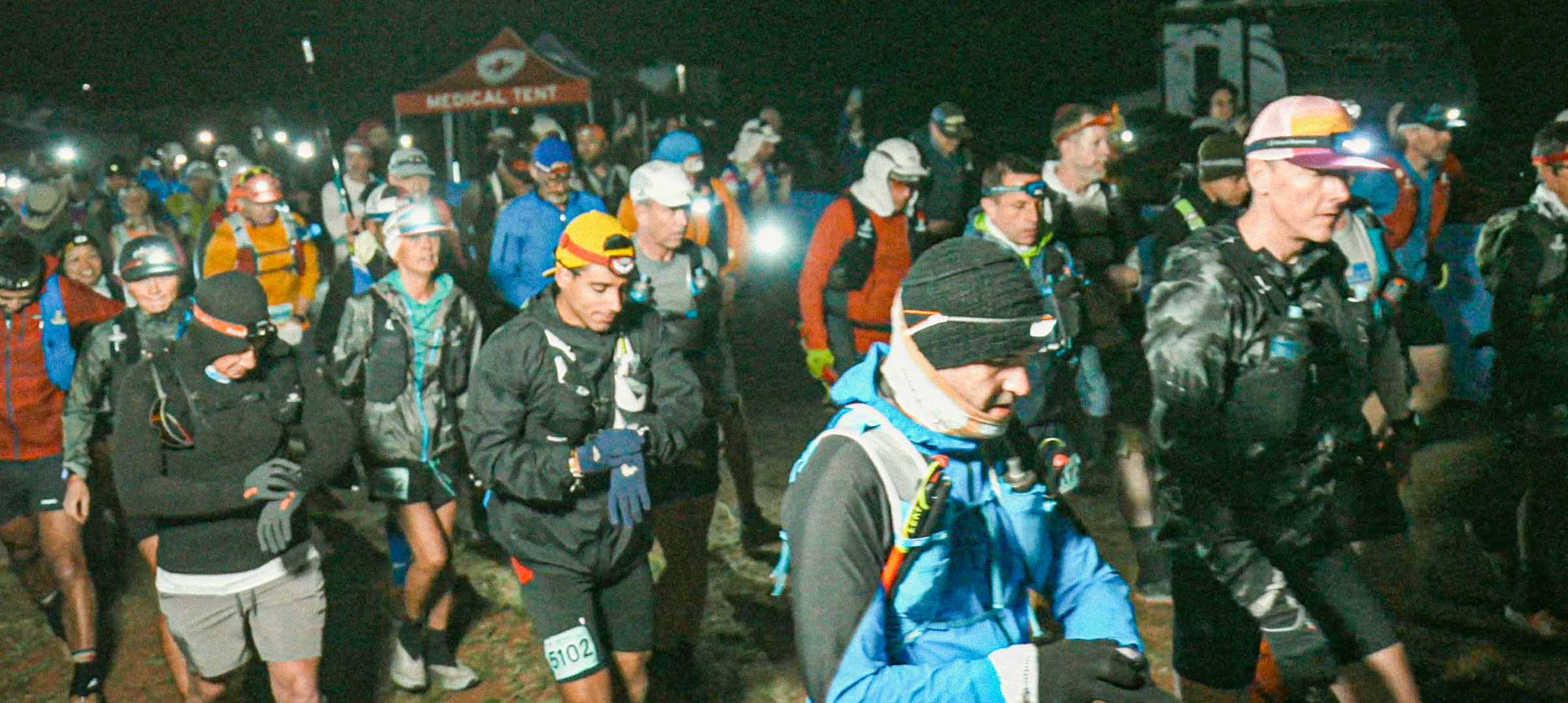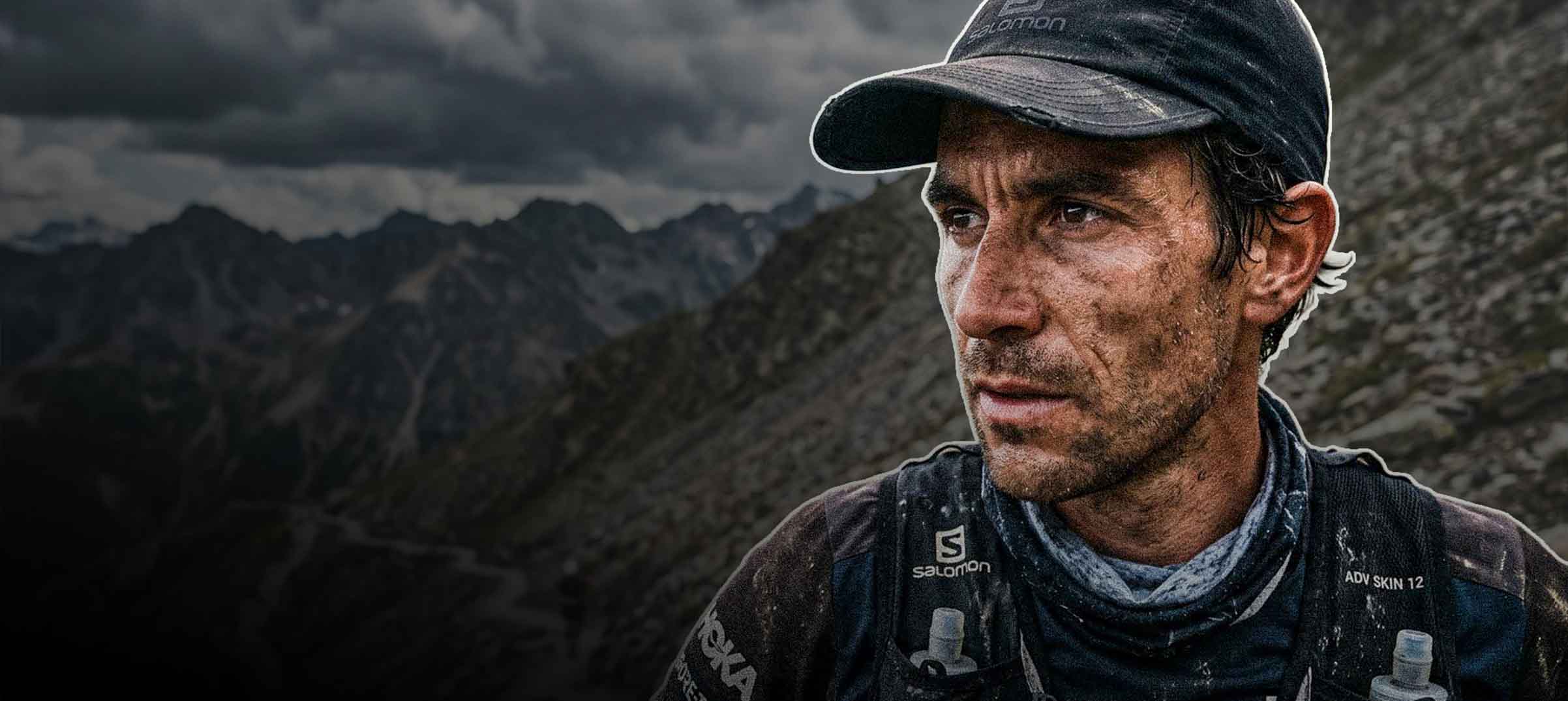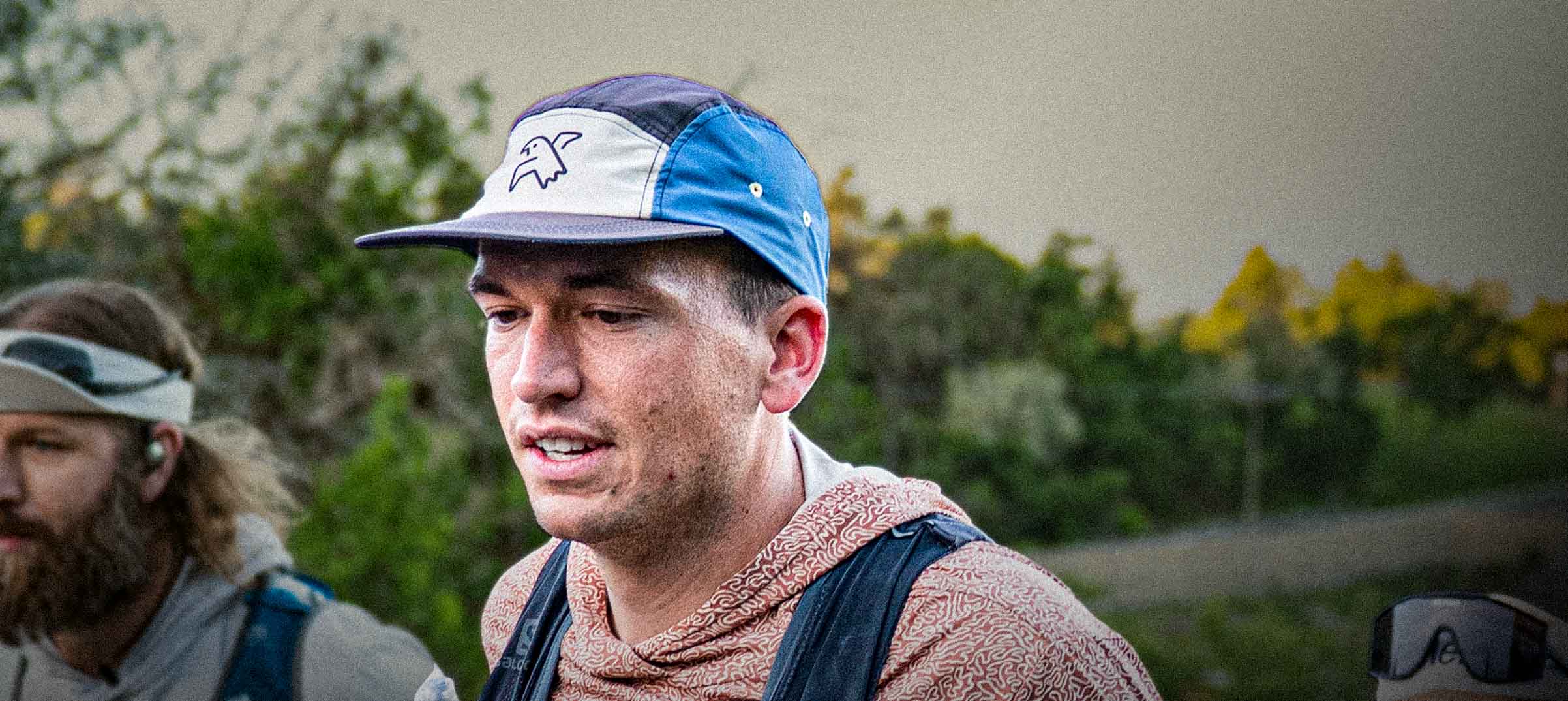


I spent the last day watching Cocodona coverage while tracking live concurrent viewers in real time. As I write this, Rachel Entrekin leads the field with 50 miles to go.
I watched to actively observe the audience behavior itself and one thing became impossible to ignore:
Cocodona does not have an awareness problem.
It has a conversion problem.
The demand exists.
Throughout the first 13 hours of coverage, the stream repeatedly sustained between 8,000 and 11,000 live viewers. But underneath those relatively stable numbers was constant and massive churn.
People were entering and exiting the stream continuously.
Impressions of Klattermusen,
Rachel Entrekein and the Story Trail Running Needed,
The Curious Case of Emory Atterberry
The coverage was being judged and re-judged every 15 to 30 seconds. Over time, the pattern became incredibly clear. When the stream delivered immediate value, viewers stayed. When it didn’t, sometimes as many 5 to 7% of viewers left.
That sounds obvious, but what was interesting was how consistent and measurable the behavior became.
A close-up of Courtney Dauwalter would stabilize the audience immediately.
A coherent commentary segment aligned with what was on screen held viewers.
A clear moment of anticipation would lift the stream by hundreds of concurrent viewers within minutes.
Then the coverage would cut to dead drone footage, inside jokes, inactive aid stations, awkward banter, audio issues, or meaningless wide shots of aid station pavement and the audience would begin bleeding out almost immediately.
At one point, the stream dropped from roughly 8,400 viewers to 7,900 in a few seconds during a low-signal segment. Later, during strong aligned coverage around Courtney and Hilary Yang, viewership climbed above 11,000.
The swings were too large and too reactive to dismiss as normal fluctuation.
The audience behavior was telling a very specific story:
The audience already knows what it wants.
The stream simply struggles to deliver it consistently.
The Most Important Problem
Most viewers arrive blind.
This became the single most important insight of the entire exercise.
People are not entering the stream with full (or sometimes any) race context. They are arriving mid-event from IG clips, YouTube recommendations, or general race awareness.
They enter cold.
And within seconds they are making a decision: Do I stay here or leave? The problem is that the stream is largely optimized for existing insiders.
It assumes familiarity.
It assumes patience.
It assumes emotional investment.
But most viewers do not initially have those things.
The coverage frequently failed to answer basic questions quickly enough:
Who is this?
Why does this matter?
What am I looking at?
What’s happening right now?
That lack of immediate orientation creates constant churn. The irony is that Cocodona clearly has real demand. People want to care. They keep checking back in. But the stream repeatedly fails to convert curiosity into sustained engagement.
Stars Didn’t Grow The Audience, They Slowed Exits
This distinction matters. The biggest names in the sport consistently stabilized viewership. Courtney Dauwalter and Max Jolliffe especially.
Whenever Courtney appeared in close-up shots with clear context, the stream stabilized almost immediately. Concurrent viewers would stop falling and often begin climbing.
Importantly, this was not always dependent on commentary.
Sometimes her presence alone was enough. That tells you something critical about where the audience already is psychologically. The audience is not looking for generic race coverage.
They are looking for emotional anchors.
People.
Narratives.
Faces.
Familiarity.
The same thing happened repeatedly with Hilary Yang.
Whenever Hilary was on screen explaining what was happening, viewership consistently stabilized, often outperforming live race footage itself.
That is not an accident.
Hilary became the strongest onboarding mechanism in the broadcast.
Not because her analysis was radically different, but because she created alignment between narrative, insight, familiarity, and a kind of behind-the-scenes access viewers found compelling.
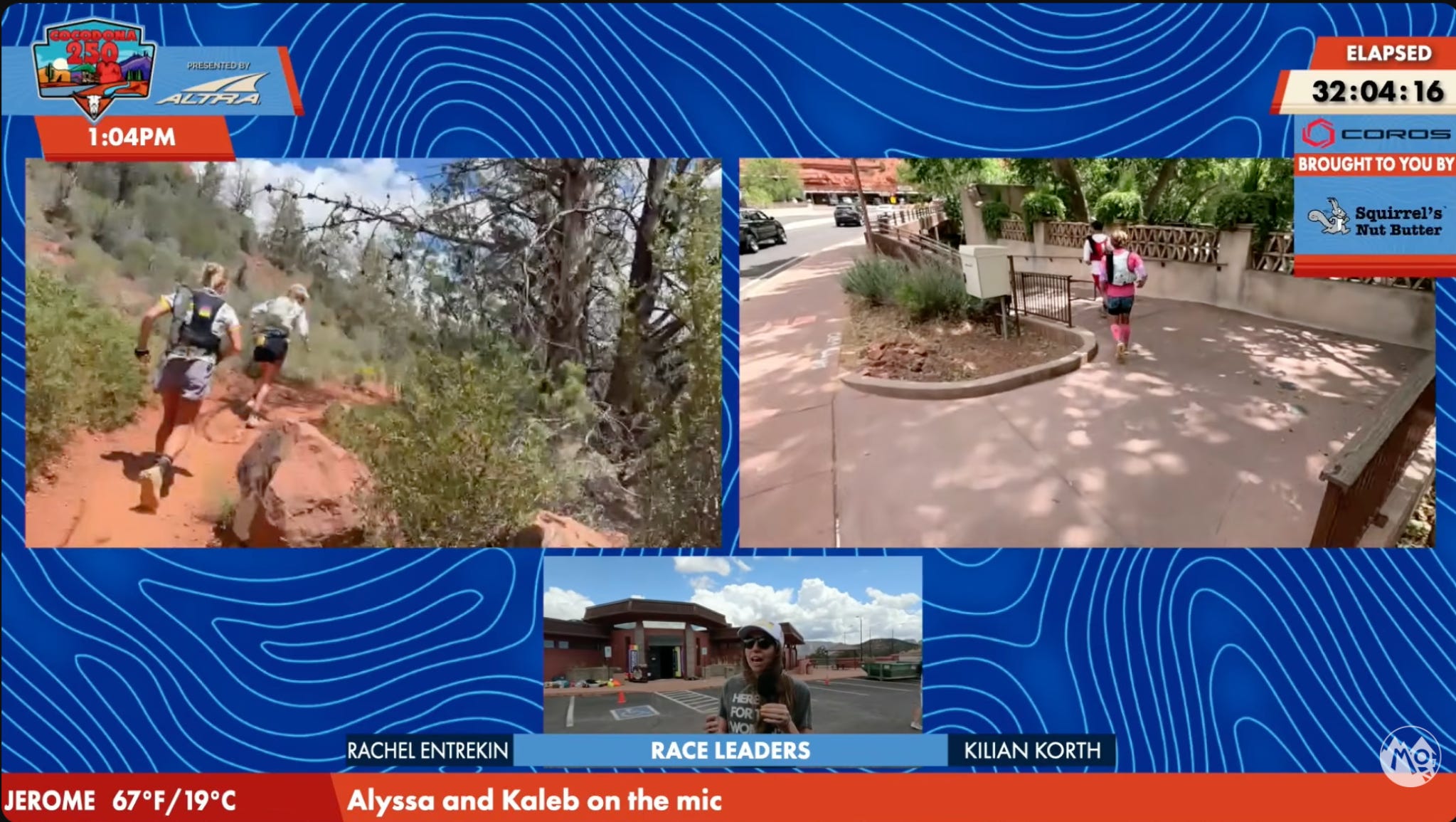
The broader pattern became obvious. Stars slowed exits. Aligned commentary slowed exits. Narrative slowed exits.
Confusion accelerated them. Like when there were multiple scenes on screen with no clear hierarchy and commentators were talking about something unrelated.
The Sport Has Professionalized Faster Than The Coverage
This mismatch is becoming impossible to ignore. The athletes now look like professional athletes. Major sponsors. Major brands. Legitimate performance infrastructure. Legitimate competition.
But the presentation layer still often feels like local community television.
That is not meant as an insult.
In many ways the coverage still carries the warmth and accessibility trail running built itself on. But warmth is not the same thing as professionalism.
Too often the production language undermined the stakes of the race itself.
The stream drifted into:
-
- inside jokes
- campy banter
- self-referential commentary
- casual production mistakes
- audio failures
- unclear race state
- cluttered split screens
- low-information visuals
At times the coverage felt less like elite sport presentation and more like a morning show happening near a race.
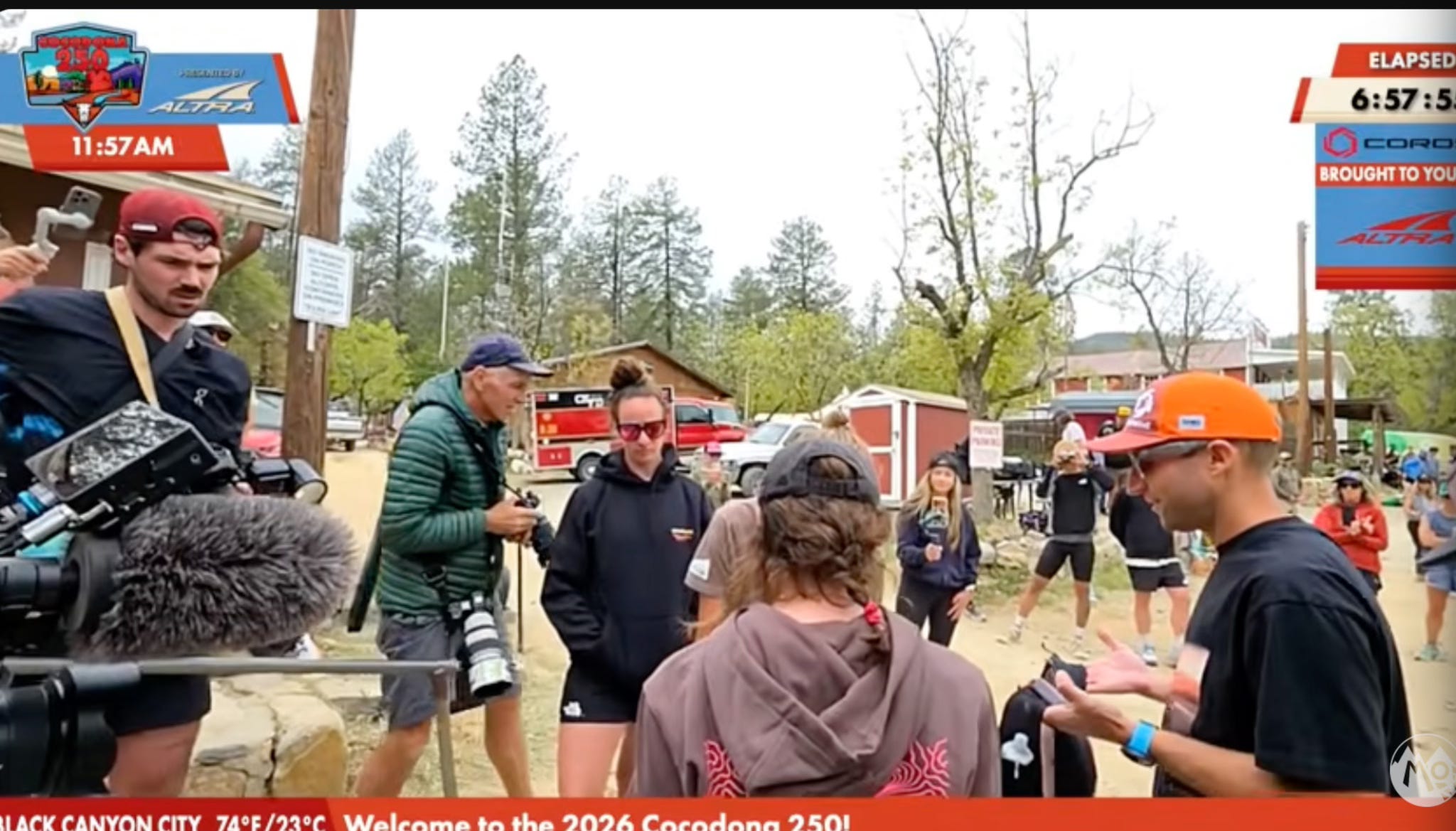
Meanwhile, world-class athletes were actively suffering on screen. The disconnect became difficult to ignore. The product advanced. The presentation didn’t.
Commentary Often Ignored The Visuals
This was maybe the most fixable issue. The best moments happened when commentary and visuals aligned. When commentators discussed exactly what viewers were watching, the stream immediately felt more professional.
Retention stabilized.
The audience relaxed.
The experience gained coherence.
But this alignment was surprisingly rare. Very often, commentators discussed things disconnected from what was happening visually. Interesting stories with no visual support. Important race developments not shown on screen.
Long conversations while static shots of parking lots or aid station tables filled the feed. The result was cognitive friction. Viewers were being asked to imagine significance rather than experience it directly.
In live sports, that is fatal. If something matters, show it.
If you cannot show it, do not build the segment around it.
Gratitude Culture May Be Limiting Growth
This part is uncomfortable but important. Trail running culture is deeply gratitude-oriented.
People are grateful the coverage exists at all.
And to be clear, that mindset helped build the sport. But audience forgiveness also changes incentives. When viewers consistently communicate that “anything is good enough,” evolution slows.
The result is a product that often feels under-pressured. Not maliciously. Not lazily.
Just comfortably. Meanwhile, the audience behavior is already signaling that expectations are changing.
The demand is already there.
The emotional investment is already there.
The curiosity is already there.
The audience is already raising its hand.
The product simply has not caught up to the size of the opportunity yet.
And honestly, that may be the most exciting part.
Because underneath all the churn, all the exits, all the confusion, one thing became very clear:
People want this to be great.