
Little Cottonwood Canyon
Driving up Little Cottonwood Canyon to run the Speedgoat 50k, the Wasatch Range rose sharp and sudden in front of me—a wall of green and rock catching the first light spilling into the valley. I’d seen pictures of these mountains, but in person they felt different.
Bigger. Closer. More certain of themselves.
Halfway up, I took a sip from the Noche Oscura blend cooling in the cup holder—a dark roast from La Barba, smooth and heavy, the last bit of comfort before the weekend turned into something else entirely.
Snowbird sits partway up this canyon, a ski resort most people know for deep winter powder. In summer, the snow gives way to wildflowers, scree, and exposed ridgelines that cut into the sky. The trails cling to steep slopes, drop into basins, then climb again until the oxygen runs thin.
The Home of Speedgoat 50k
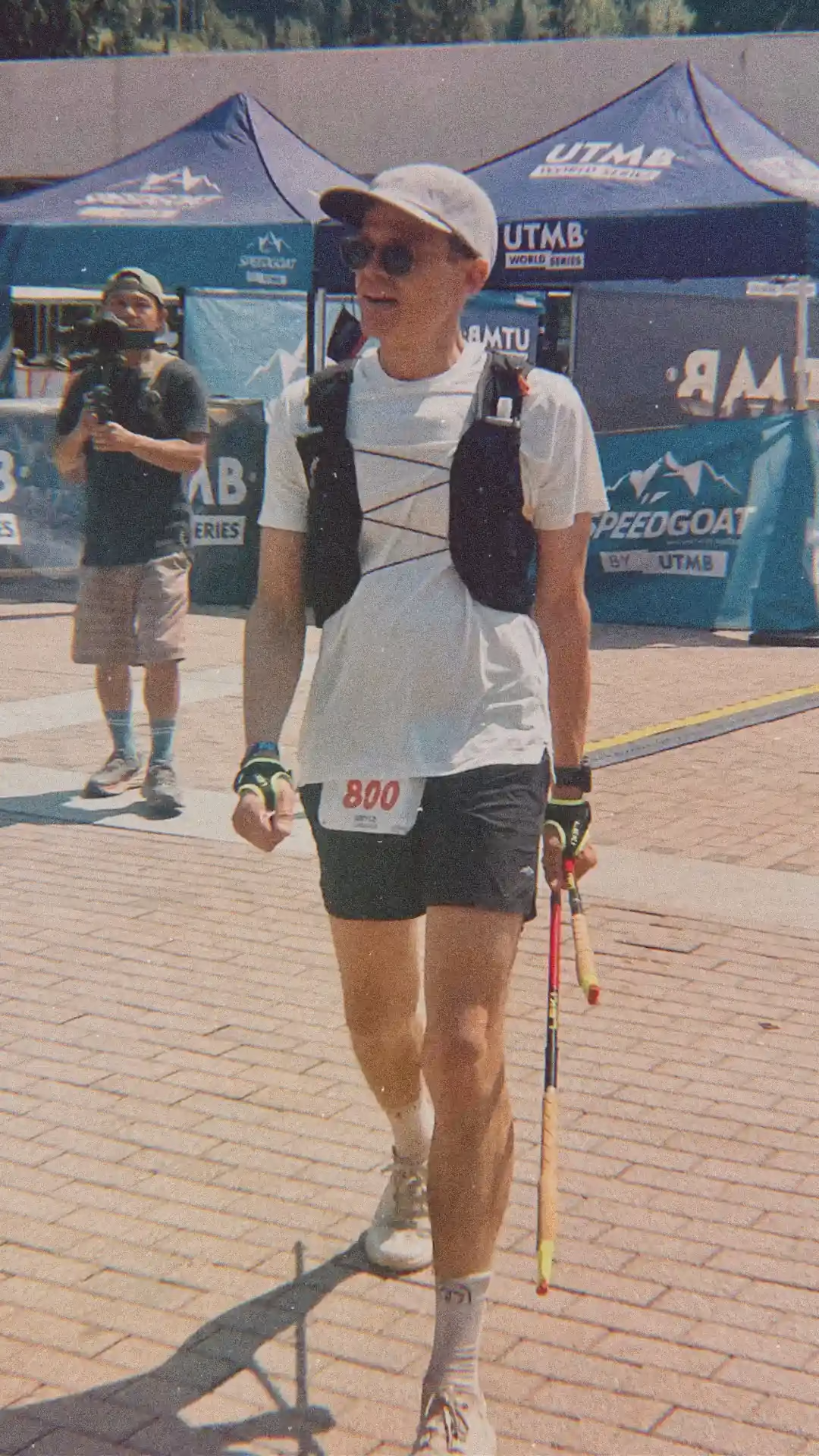
This is the home of the Speedgoat 50K: a race Karl Meltzer designed to be “intimidating” and “not for your first 50K.” On July 26, 2025, the mountain delivered everything it promised: heat, climbs, ridges, descents that demanded more than I expected—and a finish that left me 10th in my age group on a course built to make you question every decision that brought you there.

Speedgoat’s Advice
Before there was a UTMB banner over the start, before there were five-hundred-plus runners in the field, Speedgoat 50k was Karl Meltzer’s race.
Meltzer, “The Speedgoat,” built it the way he liked to run: big climbs, thin air, technical ridgelines, a finish that punished anyone who thought they could just coast in. It earned its reputation as “the toughest 50K in America” because Karl wanted it that way.
And he’s never been shy about who it’s for. “The 50km is intimidating so if this is your first 50km then this is not for you,” he’s said.
I ran it anyway.

The Start Line of Speedgoat 50k
The race started twenty minutes late. Construction had squeezed the only road to Snowbird down to one lane, and cars idled in a line that snaked back into the canyon.
Nobody complained. No nervous watch-checking, no muttering about cutoffs.
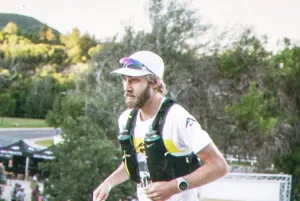
We stood at approximately 8,000 feet in the cool morning air at the startline of the Speedgoat 50k, with the Wasatch peaks leaning over us like quiet sentinels. The chatter was low. Packs adjusted, poles tapped against the ground. The start arch loomed at the edge of the ski village, but the real stage was the mountain behind it—jagged, green, and waiting.
Personal Sacrifice
I thought about what it had taken to get here. The sub-3 marathon. The climb-heavy training in Colorado.
The decision, a year and a half ago, to quit drinking and see what it felt like to move through life without a haze between me and my own effort.
I was here because I could be here—because my legs, my lungs, and my head were all in the same place for once. And I was grateful to be alive.
Speedgoat 50k 2025 Course Review
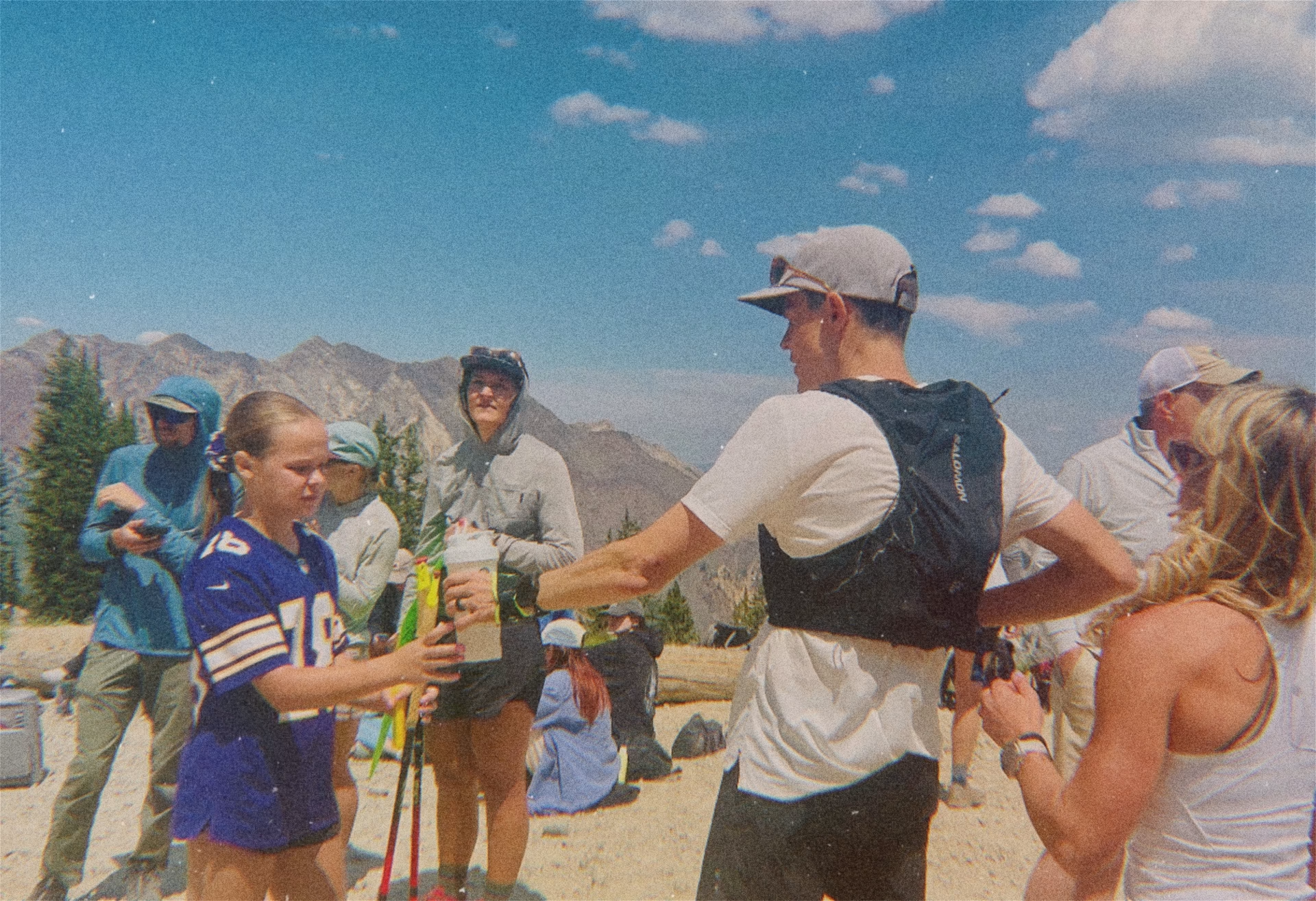
The opening miles rolled out on access roads, easy enough to settle into a rhythm before the trail turned upward toward Hidden Peak. Nearly 3,000 feet in five miles. Cloud cover kept it cool. The singletrack stayed tight, a hand at your shoulder if you slowed too much.
The climb felt good. Patient. I started my fueling rhythm: one flask with LMNT, one with water, aiming for 75 grams of carbs an hour.
The descent into American Fork Canyon showed me where my gaps were. I’d trained on rocky, technical trails back home, but here, runners streamed past me. My legs felt fine. My downhill skill didn’t.
Somewhere in the canyon, two moose stood in the trees. Runners stopped to take photos. The Wasatch is full of moments like that: sharp, unexpected, and worth the pause. In a marathon, no one stops for wildlife. In an ultra, sometimes that’s the point.
The climb toward Water Pipe suited me. I reeled in a younger runner, new to Utah, and we traded spots for miles: me on the climbs, him bombing the descents.
Water Pipe itself was narrow, exposed, and mean. I saw three runners fall hard enough to end their races. I stopped for one. He was fine physically, though the look in his eyes said he knew his day had changed. I pulled back after that. My fitness was there, but I wasn’t going to let pride bury me in the rocks.
Somewhere along here, the UTMB touches felt louder: the flags on the ridge, the vendor tents back at Snowbird, the finish arch waiting hours ahead. The old Speedgoat might have been lean and rowdy, but the course still bit the same way. And the Wasatch still loomed over it all, unmoved by the polish.
Mineral Basin hit me hard from the start. I told a runner near me how steep it felt, and he just smiled: “Just wait.”
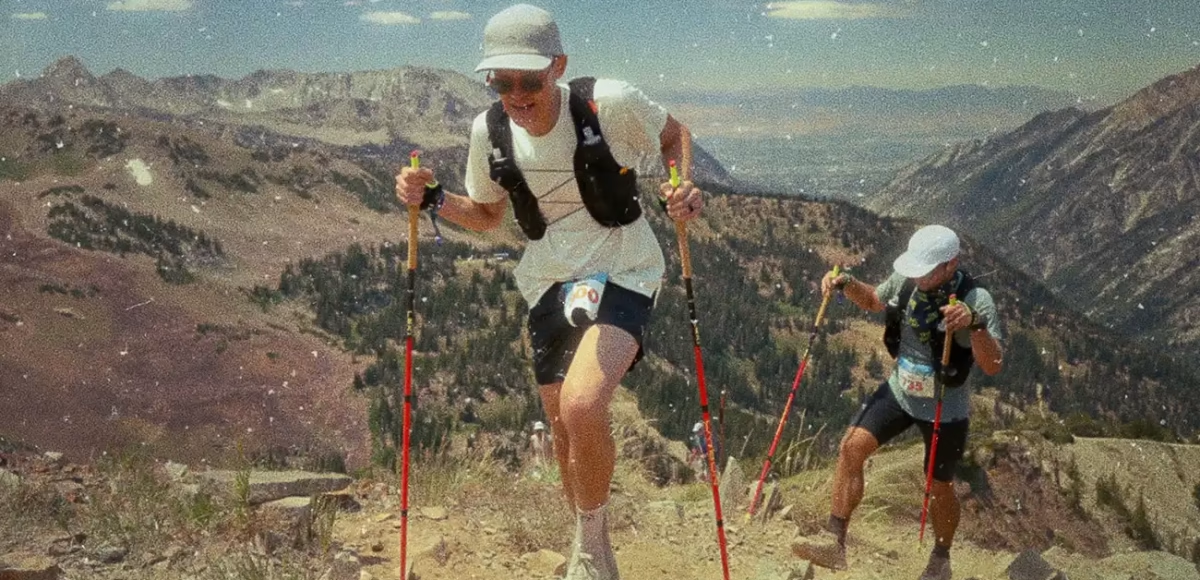
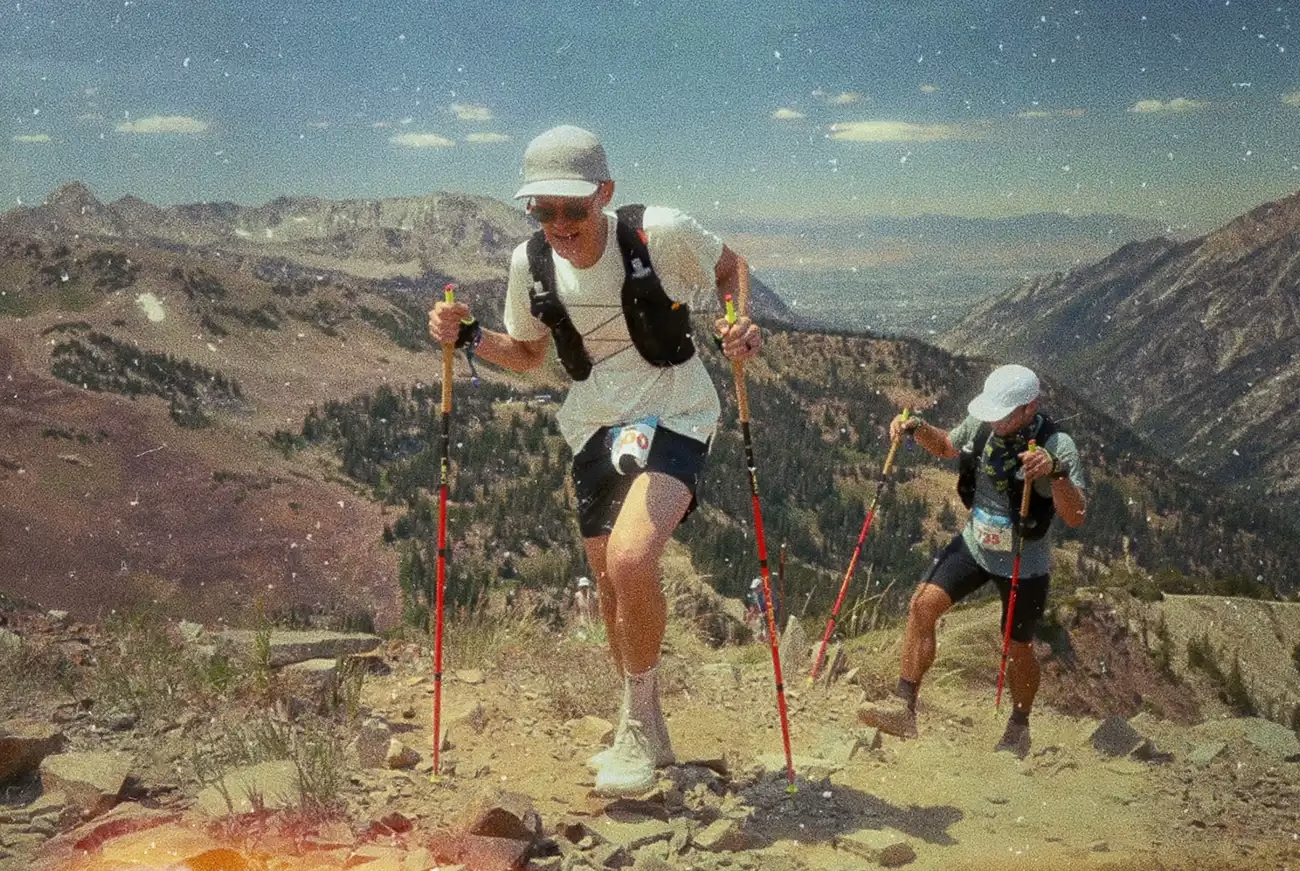
After a short downhill, the trail tipped into the steepest section I’ve ever climbed. Hands on knees, lungs stretched open, the world reduced to the next footstep. You don’t conquer Baldy. You negotiate.
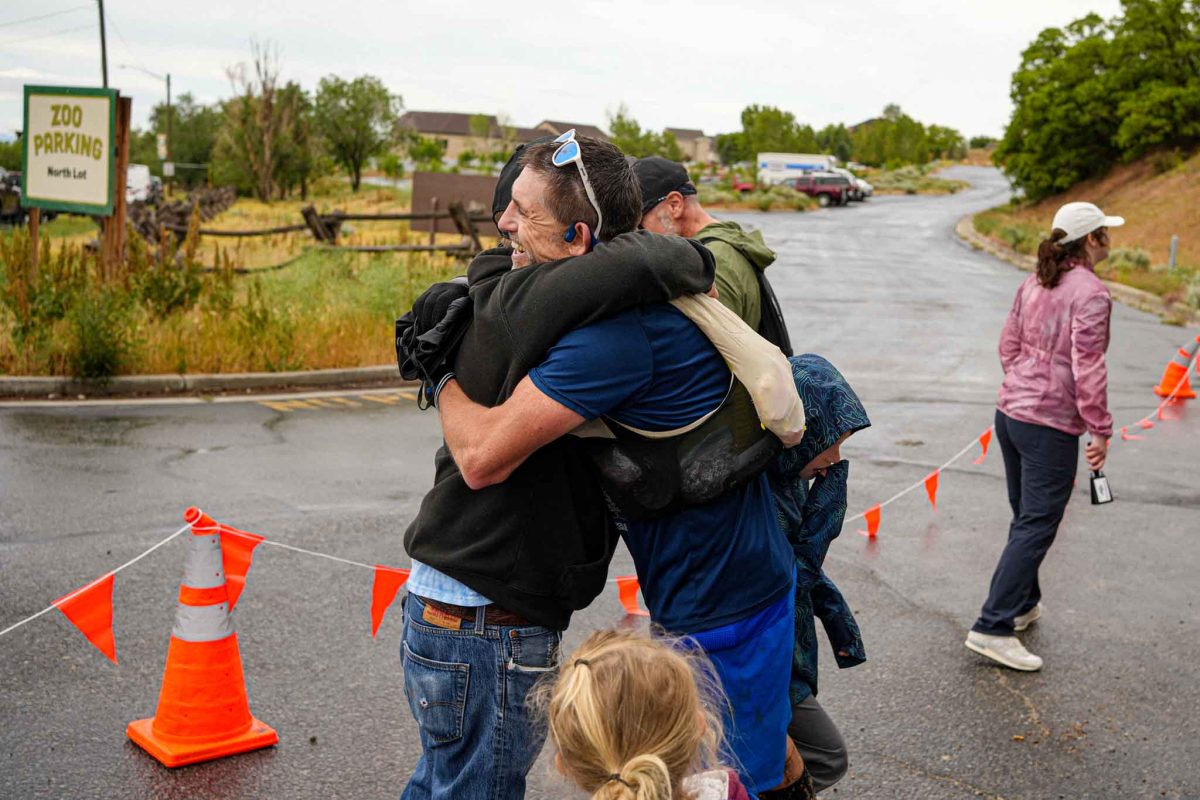
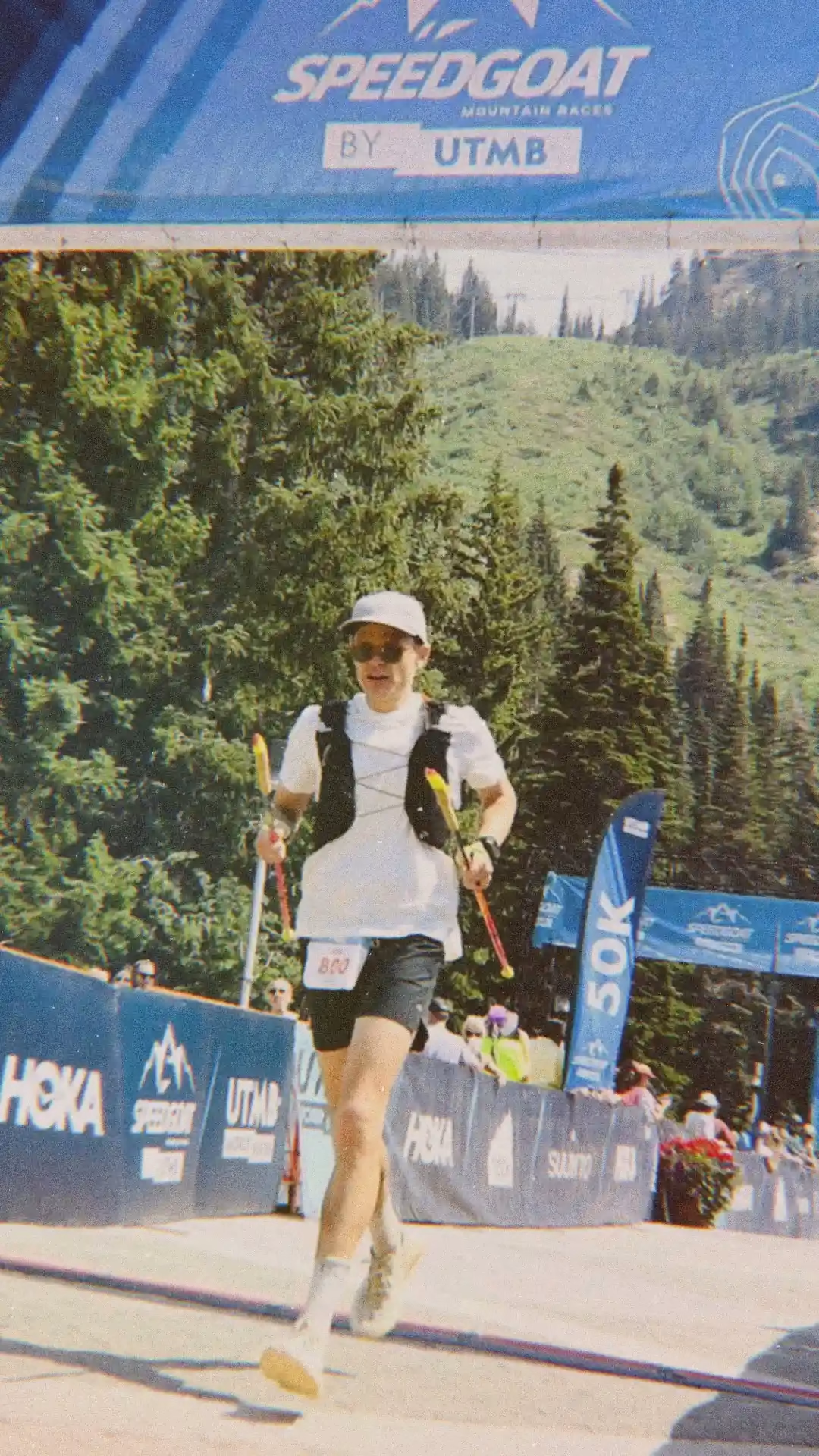
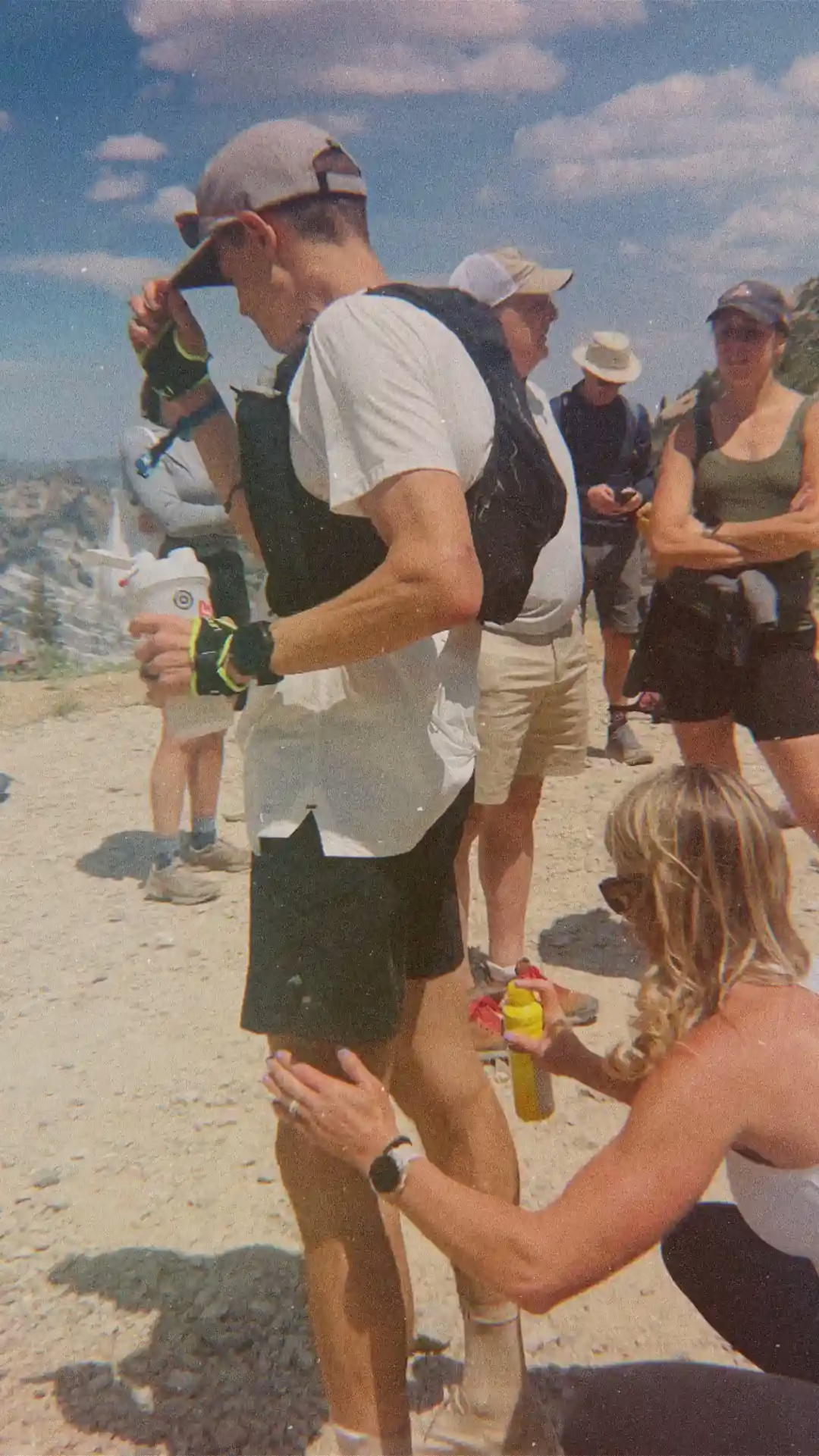
On the other side, the tunnel cut through the mountain. It was a cool, dim, and somewhat strange reset. This year, a new crew-accessible aid station sat at the exit. My wife and daughter were there, smiling, waving me in. I grabbed what I needed, but mostly I just took them in. Leaving that spot, I knew I was going to finish strong.
The climb to Hidden Peak 2 was hotter than I’d expected. The clouds were gone, the sun sharp. Fatigue had set in, but the sound of cowbells carried down the slope. Urgent. Insistent. Above the ridge, the Wasatch peaks stood quiet, holding the heat, holding the day.
The descent from Hidden Peak 2 was supposed to be a cruise. It was, except for the short climbs tucked in like bad jokes. My stomach turned for the first time all day. Manageable, but enough to remind me that my upcoming 50-miler will ask more from my gut than this day did.
I crossed in 8:15:17. Tenth in my age group. UTMB score 560. Not elated, not gutted. Just a steady satisfaction: the kind that comes from meeting the mountain on its terms.
The Gear I Used for Speedgoat 50k
The Norda 005s were the gamble I was most curious about. Light enough to feel quick on the climbs, with enough grip for the steep descents I knew would test me. On Baldy’s loose gravel, they held without a slip. By the time I hit Water Pipe’s narrow chute, I trusted them enough to pick my line and commit. No blisters, no hot spots. Just tired feet that still felt like mine at the finish.
The Path Projects Wadi Tee is the kind of shirt you forget about, exactly what you want when the day runs from cool clouds to high sun. Breathable early, but never clinging when the heat came. The Graves PX shorts gave me what I needed most on the climbs: storage without bounce. Gels and bars stayed close, reachable without breaking rhythm.
The Leki Ultratrail FX.One poles were my equalizer. On climbs, they let me pull with my arms when my legs started to fade. I could feel the advantage every time the grade pitched up and the field slowed.
The Salomon ADV Skin 12 was a familiar choice. Enough capacity for the full kit without feeling like I was wearing a pack built for someone twice my size. Nothing shifted, nothing rubbed, even when it was loaded heavy out of the tunnel aid station.
Fuel was simple but dialed: one flask with LMNT, one with water, BPN GO Gels for quick hits, BPN G.1.M. Sport+ handed to me by my wife at aid stations, and Bobo’s oat bars for real-food calories when I wanted something solid.
Everything went down fine until the last few miles, when my stomach started to turn—more from the heat and fatigue than the mix itself.
The Impact
Every race leaves something. Speedgoat left me with faces I can still see, the tunnel light on my wife and daughter, and those cowbells: urgent and unrelenting, echoing long after the last runner came through.
It also left me with the reminder that the Wasatch doesn’t care who owns the race, or how polished the branding is. It doesn’t care about your PRs or your resume. You can’t bargain with it. You can only meet it as you are.
Karl Meltzer knew that when he built this course. UTMB knows it now. And I know it too—maybe more clearly because of the life I lived before running ever mattered. Sobriety didn’t make the climbs easier or the descents smoother. But it gave me the clarity to be here for all of it: the heat, the grind, the moments I wanted to push harder but chose to stay steady.
That’s what I carried away from Snowbird. Not just a time or a place in my age group, but proof that the life I’ve built—clear-eyed, steady, honest—can take me into the hardest places and bring me back whole.
I’ll come back to Speedgoat. Not to beat a time or settle a score, but to stand in that air again, hear those bells again, and let the Wasatch show me what I have left to carry.