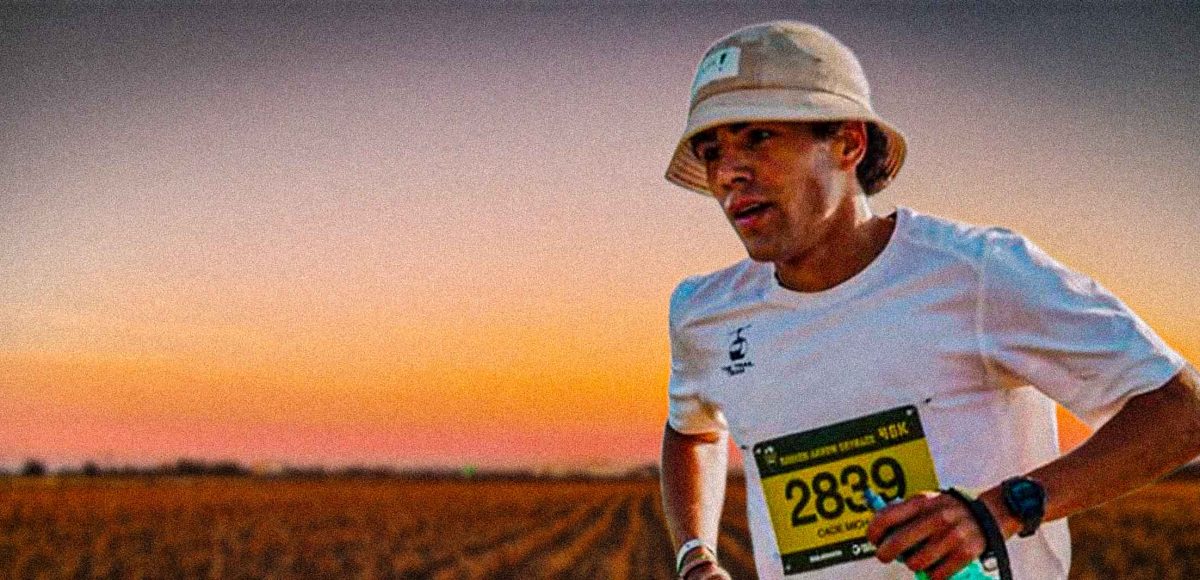
Nobody plans to become an ultrarunner. There’s no clear path into ultrarunning, no system, and most people don’t grow up anywhere near trail running culture. So how do people actually find their way into running 50 or 100 miles?
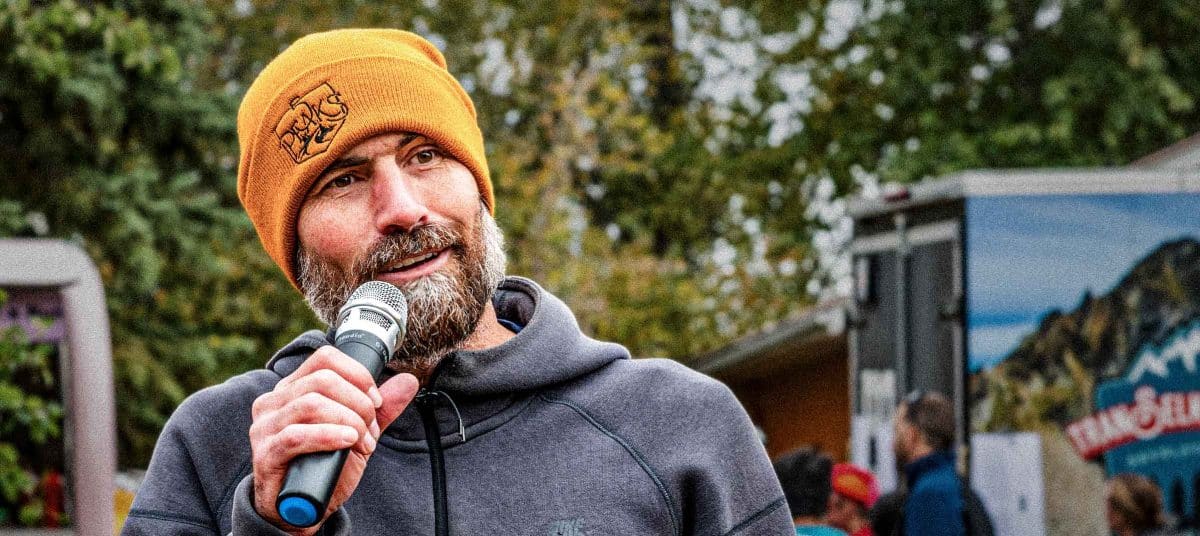
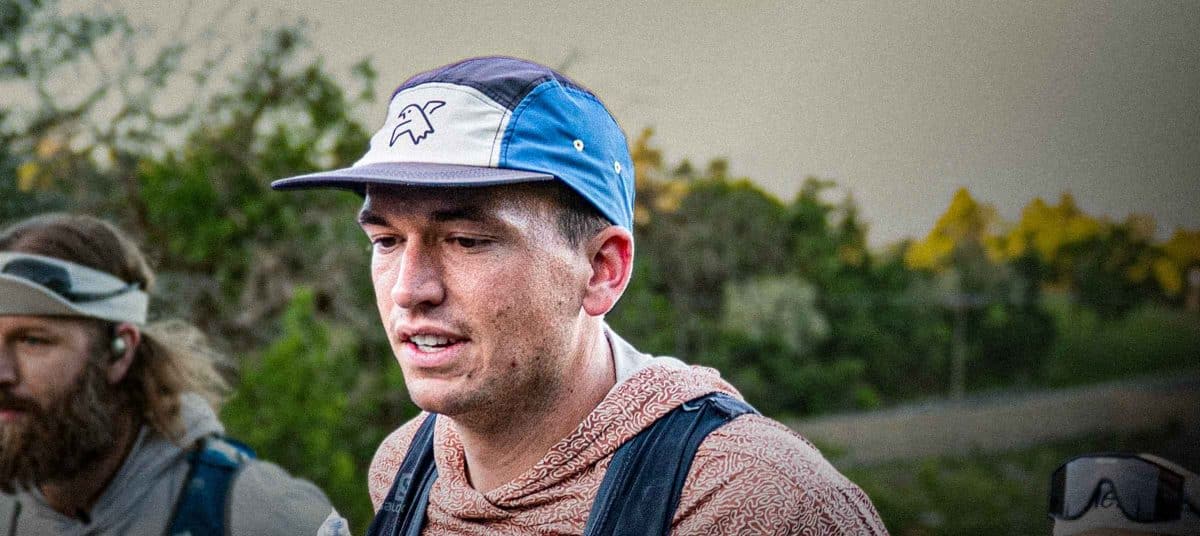
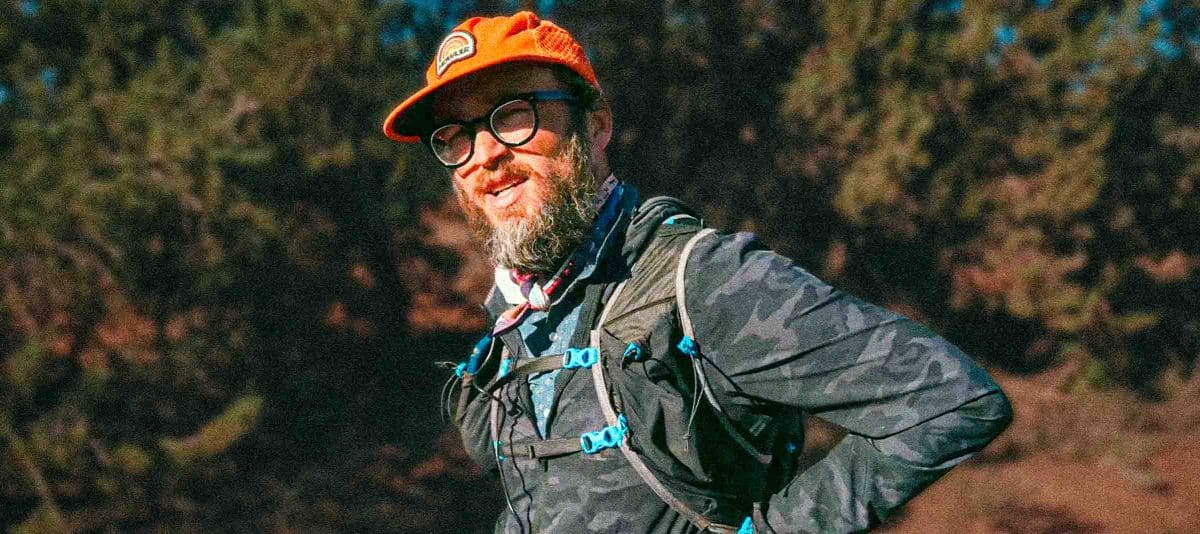
In this episode, Josh sits down with Emory Atterberry (founder of Hyperlyte Liquid Performance) and Cade Michael to explore how people from unlikely backgrounds end up in ultrarunning. From West Texas to mountain races, this conversation breaks down the mindset, environment, and turning points that pull people into the sport.
This is a conversation about identity, rebellion, and why ultrarunning attracts a certain type of person.
Presented by Kiprun
Please take a sec to rate and review. It helps others find the good news.
Topics / Timestamps
00:00
The Journey to Becoming an Ultramarunner
01:34
The Journey to Ultrarunning
12:55
The Spirit of West Texas
15:58
Transitioning from Football to Ultra Running
25:16
The Mosaic of Inspiration in Running
33:12
The Journey to Ultrarunning: Growth and Transformation
Resources / Links
- Hyperlyte Liquid Performance
- Salt Lake Foothills Trail Races
- Josh Rosenthal on IG
- Borderlands.cc
- La French Trail
- High Tones
- Subwhatever
Presented by Kiprun.
Transcript
Show Transcript
Borderlands (00:00)
How does anyone become a trail runner, especially someone from a culture that isn’t conducive to it? So first, Emory and Cade, thank you for joining me today. Glad you guys are here. did you grow up? I know you’re Eastern New Mexico guy, but you ended up in West Texas.
Emory (00:13)
Yeah, I guess the shortened version is I grew up in I grew up in Santa Fe. ⁓ I was lucky enough to get recruited to play college football. I got the normal in state offers to be a to be a Lobo like every kid wanted to be. I got the New Mexico state offer and I got all these Texas Division two offers. Okay. That’s a big fish in a small pond, New Mexico high school football. And I choose this school out in West Texas.
⁓ formerly West Texas State, now West Texas A just kind of north of Lubbock, south of Amarillo, complete contrast to growing up in the mountains. And I showed up and it was, ⁓ I think you only go to West Texas A to do two things, and it’s like to win championships and to learn about ⁓ meat judging. Have you heard of that? It’s like a full on degree, okay?
Borderlands (01:00)
Texas
Tech University is the number one meat judging university in the United States.
Emory (01:03)
There you go.
Also classified as like an extracurricular sport. It’s pretty, pretty wild. So culture shock for me, but I loved it. And there’s just something that always draws me back there. I go run the Palo Duro Canyon 50K every year. It’s a 40 year old race. I found myself just enchanted by the colors ⁓ and by the unrelenting weather. I don’t know if there is good weather ever. Like there’s always a caveat, you know? So yeah, that’s my, and then.
Borderlands (01:07)
You
Emory (01:31)
That’s my relationship with the pen handle.
Borderlands (01:35)
What about you, Cade? know, Midland, I always talk about when someone asks where I’m from, I say, have you seen Friday Night Lights? Like, that is really close to where I’m from. That TV show, not the movie, the TV show nailed it. That is the culture that I came from, the love of college football. But you really are from where Friday Night Lights really took place, you’re Midland guy. So what was life for you growing up? Were you running?
Cade Michael (01:59)
Yeah, totally. The movie ⁓ filmed in Ratliff Stadium in Odessa was where we would have all of our district meets. ⁓ Funny enough, the… A lot. A lot. Yeah. Couldn’t tell you, but when I went to Texas State, which is Division I football program, the stadium was at least as big as Texas State’s football stadium. ⁓ But the movie, or the TV show was actually filmed in Pflugerville, Texas, ⁓ which is where my part was.
Borderlands (02:06)
How many seats are in that stadium? For perspective, yeah, it’s like 20,000 are in Midland Lees.
Yeah, those rolling hills were
inaccurate.
Cade Michael (02:27)
Yeah, which is where my partner’s from. Any inkling of beauty. Yeah, it’s a strange place to grow up. I I grew up like every kid in Midland does. ⁓ Football and baseball is the name of the game and the aspiration. And my dad was always sort of an endurance junkie, had been a runner and a cross-country skier.
Emory (02:28)
Yeah
Cade Michael (02:50)
sort of, you know, rode his bike two and a half hours every day in Midland, which is mind boggling in retrospect because that’s a lot of repetitive wheel turns there. but yeah, sort of, sort of fell into that with, ⁓ a couple of injuries and, used running as a means of not being in PE class and, was immediately enamored with it and yeah, sort of fell into the culture.
Borderlands (03:14)
So you were running track in high school?
Cade Michael (03:17)
I was, so I started running cross country my sophomore year of high school, ⁓ still playing baseball and then ⁓ ended up not playing baseball anymore and running track by my senior year.
Borderlands (03:31)
And then so ⁓ Emory with you like I mean maybe even just to frame it from from where I’m coming from I was I was like a When I lived in Fort Worth, it was all things baseball all thing all the time That was my obsession and I moved to Lubbock and I was like there was a little bit of community wrapped in baseball for me and I didn’t I didn’t have my friends and so I get to Lubbock and I just become this loner and I’ve come this punk rock kid who’s obsessed with skateboarding two things that you can do alone in your room, know more or less just play the guitar and then go skateboard, you know out in your front driveway
Running to me was connected to that because I could do it alone. eventually I ended up loving everything that was kind of about being a loner that I didn’t have to call and wrangle and get a group of people together to go do. So that’s where, kind of my through line of where I got into running. What was it for you? What were you doing in the final lead up before you started running?
Emory (04:27)
You know, yeah, it’s really cool. I haven’t thought about this a whole lot. I do owe a lot to the West Texas region because, you know, when you play college football and you grow up and you kind of, you know, dovetail into your whole life as football, you’re getting recruited and, you know, you’re going to go play college football and you go play. There was this kind of a…
Objectively we were forced to stay on campus in the summer because we trained in the summer Okay, we train in the morning in the evenings and the day we went to class summer school every summer So what that meant was I had to stay out there. Well What was really cool was the the place that I found we used to go out to Palo Duro Canyon To hike kind of in the middle of the day and it’s hot or we’d go on the weekends to hike and I found that it was just giving me enough taste of being back to kind of a mountain kid that I grew up being
while in New Mexico where we would go hike, we would go run in the mountains, we would go raft, you know, we’d go camp. I started getting a tiny taste of it in this little place that I didn’t think was even close to what my home was. And ⁓ the days that we would spend in the canyons I look back on in the off season were some of the coolest. You know, it was almost like this land was so barren and it just had these pockets of beauty where it was just offering itself up over and over again. And I felt like it was just kind of serving me this like
hey, you can still be home, you can still be hiking, you can still be at your outdoor roots. And ⁓ ultimately, I do believe that those long days in the canyon, hiking and jogging eventually kind of led me to find that I liked doing other things outside of football after this, let’s call it like 12 years of intense football cycle. ⁓ And then eventually, when I come to the Dallas Metroplex and
I start thinking about those days in the Palo Duro Canyon and all of the things that that landscape offered me and realized that like, there are activities that we can do out in the desert. There are things we can do in these beautiful places like running and like running really far. And so, yeah, I do owe a lot to that region, a region that I thought was like nothing but barren, hard landscape was so beautiful and formative for years to come when I didn’t even notice it at the time.
Borderlands (06:44)
when you were still living in West Texas, what was your longest run on a trail? In high school, any of that, I don’t know how long you stayed after high school, but what was your longest run before you were an ultra runner?
Cade Michael (06:57)
Around Midland, like maybe did a six or seven mile long run kind of thing. ⁓ Many, many stops and hacky sack breaks in there. That being said, you know, in 2016, I guess my sophomore year, ⁓ I followed iRunfar on Twitter. And I think that was the year that, you know, Jim had his Nathan shirt with all the holes in it and took the wrong turn.
Borderlands (07:26)
Wrong turn here, yeah.
Cade Michael (07:26)
And
so, yeah, I mean, I’d run maybe six miles before and never run on a trail, ⁓ but kind of fell in as a fan, particularly when being a fan was hard when I run far on Twitter was where you’re catching up with everything. And so that next year I signed up for the Bandera 25K. ⁓ So drove out to Bandera, ran my first trail race there, camped the night before, you know, like woke up in the morning next to.
all these legends who ran the 100k that day like you know and it was a big jump I mean it went from like a six mile longest run to a 16 mile longest run and that felt like an ultra that was a you know a six 17 17 yeah
Borderlands (08:07)
How old were you?
God, so at 17
years old, you stumble across Iron Far. No shade on Iron Far. I’ve been following him for a long time. I don’t think many 16 year olds find anything that they do even the least bit interesting. No offense, seriously. But how did that grab you? Why did that grab you?
Cade Michael (08:28)
I was an only child in West Texas, there’s not a lot to do. you end up in places and finding entertainment. ⁓ No, I think that the idea one of exploration, not only in sort of this like external sense through a landscape, but also…
like the internal journey you get with an ultra, something I had never experienced before, but I think is sort of apparent when you see the states that, particularly before high carbohydrate fueling, the states you see these guys going through out in the canyons. ⁓
And then additionally to that, think just maybe was going through like a rebel ⁓ phase, a rebel loner phase, and ⁓ it seemed like a punk rock thing to get into, because what else could people dislike more than guys running in split shorts for a really long time?
Borderlands (09:18)
to what, okay, this, mean, you so naturally took us there. West Texas, running in short shorts with no sidewalks. mean, that, you’re taking your life into your own hands on multiple levels. You’ve got just bad West Texas driving combined with the West Texas mentality that doesn’t understand running combined with if you’re wearing short shorts, you know, all of these things are working against you, yet you still, you still, you know, you still got out there.
Cade Michael (09:46)
You know, one time my senior year after, we had a great team at Midland High for cross country, but all of the guys were a year older than me. We never had enough people to fill the varsity and a JV team despite being a giant Texas high school. But anyway, all the guys on the team were a year older than me. And once they graduated, I was doing a lot of solo runs my senior year. And I remember…
running down Garfield Street in Midland and in my split shorts and getting hit with a dip can thrown out of a car, thrown out of ⁓ like an F-250 and then, you know, just blowing tailpipe smoke and, you know, getting called some vulgar profanity there. ⁓ And maybe when I got hit with that can of long cut Copenhagen, that’s when it solidified that I’d be running the rest of my life as a F You to that guy, I don’t know.
Borderlands (10:35)
They that guy
didn’t know that he just made he just made an ultra runner but the but also that is the West Texas mentality and Emory I wonder if you resonate with this in that There’s I feel like more than anywhere else of that I’ve encountered you tell someone in West Texas, Eastern New Mexico they can’t or This is not something that we want you to do and it just feels like that is how you bake The thing you know, that’s where that thing emerges from and like in West Texas
I was told that so much of how I acted wasn’t the right way to act and it just made me always want to double down. And if running was, you if I’m going to get a long cut, can’t have Copenhagen thrown at my face while I’m running, that’s just going to make me put on shorter shorts. I don’t know. What do you think?
Emory (11:21)
Yeah, I ⁓ think that area produces a lot of rebel spirit. mean, you go all the way back to the Dust Bowl. You go back to like, you look at a landscape and you look at the people that are there and they’re like, no, there’s no way somebody can farm crops here. There’s no way somebody can raise cattle here. There’s no way you’re gonna find a thing called oil here, you know, in the Permian Basin. And for some reason, it’s just like character after character.
over history that says, you know what, no, like I’m gonna settle here. like, know, football to me is really funny in West Texas because you just drive for miles and miles and miles. You don’t see a thing. And the first thing you see is this massive stadium. And the first thing you think in your mind, like, whoa, whoa, whoa, like you can barely get water out here. Like people don’t even have enough water to water their lawns, but they’ve got this sport. even like that, building that stadium is almost like a rebellion against people saying like that there are no resources or they shouldn’t find something important.
I love it. I love the small town stories of the kids from these little West Texas towns that we would recruit on our team. You’re like, how does how is this kid the best player in the state of Texas? And he comes from a town of like 200 people, you know, and like those stories are fascinating every now and then on the West Texas team. Of course, the track team and the cross country team would recruit pretty heavy, whether this is from overseas or whatever. But every now and then they would get the kid from like Turkey, Texas. OK, and this in this kid.
would like he grew up running dirt roads by himself. The same thing that Kate is saying. And there’s just a little bit of grit. And I always think it’s like it’s the same grit that told all the settlers when they came to West Texas, like, can’t settle here. Like, there’s no way you can even start towns. The infrastructure is not here. There’s no resources. And they’ve made it happen. You know, so I think, yeah, it’s just to me, I love it. And I remember going out. This is a fun contrast to we were the number one passing offense in the nation when I was playing. OK, passing.
passing the ball. It’s the West Texas wind. You don’t throw the ball in West Texas. The winds are 30 miles an hour all the time, and yet we were somehow able to get it done and practice every day and become the best passing offense in the nation. West Texas Tech number one passing offense in the nation, where? Where the wind blows the hardest all year round. How does that happen? Yeah, the air raid. The air raid at Texas Tech. To me, that stuff’s crazy. I know this is, we’re all runners now, but even just…
Borderlands (13:22)
Yeah.
Yeah, the air raid. Yeah.
Emory (13:47)
My football roots pay ode to like, it is a rebel culture there for sure. And I think to do even something slightly punk rock where, you know, the last thing anyone wants to do is get out of their truck with their beer belly and their water burger and their can of skull and go run, it still produces really good runners. It’s so cool to me.
Borderlands (14:07)
Yeah.
Yeah. Okay. Coming out of West Texas A &M though, I mean, I only know this because Bryce Carlson wrote that really great article about you and you gave us those pictures. You were, you looked every bit like a, like an old lineman, right? You were a, you were a big dude. What was that transition like from the optimized body for a college lineman to the optimized body for a ultra run? Like that’s a transition.
Emory (14:22)
Mm-hmm.
Yeah, you know, it’s not the most romantic story. It’s just, you know, I got I played a lot of football. I got hurt my senior year. We knew there was going to be no NFL or these sorts of things. So I had to go get a job and operate as a normal human being. So I cut down from, you you’re getting paid to be 300 pounds and be a lineman. So I quickly kind of realized that I need to go get a job and figure something else out. And so then I was just, you know, I dropped about 70 pounds. And, yeah, that was a that was a complete shift in my life, a fun one. ⁓
But yeah, when you’re that big, it’s for a reason. I don’t need to walk around to be 300 pounds all the time. I was definitely a tool and a resource for the West Texas A &M University out on the plains there.
Borderlands (15:18)
Yeah. So, Kate, coming out of Bandera, what was the next ultra? Like, was it immediate? Did you get the bug and go home and sign up? Or what was the next phase of life like?
Cade Michael (15:29)
That was 2016. I didn’t run another trail race until 2022, which was a Cirque Series race. And then I didn’t actually run an ultra until last year. It was his first 50K. So big, big 10 year gap in between, just lots of college running, doing the track thing and being a part of a team, which was always super important to me. And while the call of…
Borderlands (15:39)
⁓ nice.
Really?
Cade Michael (15:57)
trails or adventure or whatever was always there. ⁓ I think that being a part of being a part of a group of friends working towards a goal was definitely always something that wasn’t a question that I had inspired to.
Borderlands (16:10)
Okay, but so over those years of, you the spread between those races and the ultra, were you competitive road running? Were you staying competitive in those years or were those years defined by different fitness, less fitness?
Cade Michael (16:24)
⁓ outside of college? ⁓
Borderlands (16:27)
Yeah. Yeah. So was your first ultra
like right after college?
Cade Michael (16:31)
It was two years after, two years after, yep. So I spent, went through college, ran in college through 2023, 2022, and then went to grad school and raced some short trail stuff like Golden Trail World Series kind of vibes, but always knew that moving up into the longer stuff was gonna be what piqued my interest and captivated me.
Borderlands (16:59)
So where does your,
no, go ahead Emory.
Emory (17:00)
I was gonna ask just because I’ve been to San Marcos a lot. you San Marcos all four years?
Cade Michael (17:06)
I was in San Marcos for three years and then ⁓ during COVID I transferred to Western Colorado and Gunnison Crested Butte. ⁓
Emory (17:13)
Yeah, right on. Was
there a contrast in your mind from, you know, Midland Odessa to San Marcos where the rivers are flowing?
Cade Michael (17:23)
Yeah, mean, San Marcos is the most beautiful place in Texas, man. It still is so special. Like, Aquarina Springs flowing out of the… Yeah, the San Marcos River, the New Braunfels River, there’s just so much more life there, not just from an ecological standpoint, but also just community and culture. There’s a lot less of this… Yeah, rebellious rose growing in the desert to…
Emory (17:37)
Mm.
Cade Michael (17:51)
There’s also something beautiful about being in a garden full of them, you and the proximity to Austin. ⁓ Yeah, a lot more people who have a lot of different up-rings. mean, Texas State’s 51,000 person undergrad school. You get people from all over the world. ⁓ And so that was certainly a…
Yeah, draw just to be amidst that mosaic and like learn from all of these different experiences. So San Marcos was definitely ⁓ a stepping stone ⁓ away from sort of the insular West Texas that I grew up in.
Borderlands (18:28)
So Kay, back to the Black Canyon piece and falling on my radar there, where does that fit into your story? So we see the transition, you emerge in Ultra, you said the longer distances was always sort of in the cards for you. Where does your ambition lie right now?
Cade Michael (18:52)
That’s a good question. mean, to objectively speaking, it’s a little bit harder to nail down. mean, eventually running like a Western States is obviously a cool goal, but really just, ⁓
putting the pieces of the jigsaw together, you know, because that’s what Ultra is. ⁓ 5K, 10K, even Golden Trail, you can just kind of go bleed out of your eyeballs and mash your teeth for an hour or two. ⁓ But when things start to get more nuanced ⁓ and you inevitably go into dark places, ⁓ I don’t know, maybe at times it’s less… ⁓
directly fun or less of a direct measure of like fitness, but yeah, there’s just, there’s so much to learn and ⁓ sort of infinitely so, whether that’s continuing to progress from a competitive standpoint. ⁓ But I think that that’s why it’s such a lifelong sport. Why you see so many people in their, in their middle ages and in upper ages still going to ultras is there’s always something to learn and achieve.
Borderlands (19:58)
Is there a runner of the past couple decades that you look at and you think, hey, I kind of see myself in him or her, like that’s the way that they’ve risen up, that’s how I want to do it or they did it right. I’m looking sort of like for the myth of Cade, like what do you see out there that you think, I want to do it like that.
Cade Michael (20:23)
Man, you know, it’s funny is I spent a lot of years like playing baseball, sort of like mimicking a wind up of Mariano Rivera on the Yankees or like mimicking a batting stance, like a Derek Cheater or something like that. And then I think that early running looked like that too. Like I’ve always had heroes ⁓ watching like an Evan Jagger or Matthew Centrowitz and being like, that’s how I want to look when I run. But I think that.
the longer I’m in the sport and particularly ultra is because of that nuance and that frequent opportunity for growth. I still got a lot of heroes. I live in Boulder. run with a of my heroes on a daily basis, but I think, and this is subject to change as always, but.
I don’t want to be like, like anyone, you know, cause it’s just, it is just too nuanced and too personal and emotional and transformative of a journey. I, I said mosaic about, ⁓ Texas state as an experience, but I really think that that’s probably the case with running too is just, ⁓ take all these, all these learnings and all these things I look up to and, and a plethora of people, ⁓ and, and, ⁓ build out who I want to be from there.
Borderlands (21:39)
Anybody in just in recent like if you name or name a name you just be like man I love when when he or she when she did it for me I’ll just say cuz I’m not competitive but and flower going into Black Canyon her pre-interview with the panel and she was like one of us is gonna break a record tomorrow It might be me. I just loved seeing that confidence I love saying that she that she thought that was gonna happen and it’s gonna be somebody but it might even be her like that that to me was a moment of inspiration or I saw someone do something like yeah, I like that I want to see more of
Cade Michael (21:44)
.
Mm.
I don’t know, man. Like all of my best friends here, really. Like Seth and Drew and Moe and Adam and Matt and all of these guys have certain characteristics and qualities that are, I mean, Matt’s from Dallas and comes from a track background, right? Seth comes from a background where he’s like, had a tough time in college and was constantly injured, but his like, you know, I think a lot of people see him as sort of the young gun of the Boulder boys, but he’s got this.
patience and wisdom that’s like really, really impressive. Yeah, Moy’s addiction to exploration and like his sort of like wisdom and ability to slow down and just be present. know, Adam’s like responsibility and commitment to his morals and his family. And Drew’s just like…
kindness in the most fiery of competitive places. Again, I think that there’s all kinds of characteristics and qualities ⁓ that I look at and look up to, but not any particular one that I can look at and specifically want to emulate because I think that that does an injustice to how many characters there are in our sport, ⁓ you know, and how uninterested I am in being like…
one dimensional, if that makes sense.
Borderlands (23:41)
Yeah. You know, the word of the day
for you is mosaic. It’s brilliant. You’ve used it. I’m stealing it. And I’m saying that’s, you know, that seems to be in your ethos. Emory, other than ruining the bonk I think Hyperlyte has ruined the bonk. Okay. On all of my runs, you know, that, that was the core messaging of Borderlands was like early on, you know, it’s been around for four years early on. was like surviving the bonk on my long run. This is not meant to be a commercial for you or Hyperlite, but
Emory (23:57)
Yeah.
Borderlands (24:11)
Since when I went up to full dose and all my training ended up not getting to run Eco Trail Paris because of my Achilles. was, just lived to run another day. I was 25 mile runs, man. And I was just feeling good. I finally embraced the high carb recommendations and went all in. And so I mean, you’re obviously playing in the world as a, as a businessman who clearly loves the sport. So what I’m trying to get with all that is to say, Hey, let me talk about hyperlite for you. want to talk about Emory, the athlete.
And the same, your ambition, you know, it seemed like all the, everyone who is in the, for Hyperlite who’s not elite is also running a hundred miles like you and Jeremy and your photographer, I’m sorry, I’m blanking on his name. Like Chris, Robert, it’s obviously a value to you, but like, where’s your ambition lie right now as Emory the athlete?
Emory (24:55)
Chris, yeah.
Hmm.
Yeah, you know, on the bonk thing, it’s really funny. Yes, you know, I founded a carbohydrate and sodium company. It’s really funny because I also romanticize and idolize the bonk at times. Like I remember there’s keys when like when, you know, not healthy, not advising it. Also think that everyone should go fuel their runs. The but like there are moments in their interviews where Anton would say like, I like taking slightly less with me than what I need because the
the
feeling of like the feeling of your muscles starting to cramp, the feeling of like it’s your last drop of sweat that like there maybe is nothing ever left by the time you get to that last mile and come to your house. Like that’s a cool feeling and you never want to take that away from people. You also don’t want people to get hurt, okay? But I do also like I romanticize some of that. I do love the slight question of like can I get back to the car? Like that’s a cool feeling to me and so I always do struggle with that.
Cade Michael (25:35)
You
Borderlands (26:03)
Once you’re back at the car, it’s
cool to look back on that feeling.
Emory (26:06)
That’s fine, yeah, I agree completely. yeah, I don’t know, I always, when you talk about bonks, I’m like, kind of, it sucks that I’m involved in a company that has kind of, that really helps and ruins the bonk, because I did used to, I did like the handheld for four hours kind of bonk mentality at the times, but yeah, it’s not, that’s not what modern running is or should be. ⁓
Borderlands (26:18)
You’ve taken the soul of ultrarunning.
Emory (26:34)
Look, yeah, like I love watching ⁓ Cade and all his friends. I love watching all of the elite athletes do the things they do best. I get just as much joy out of going to a race as racing itself. I have this business and I have a wife and two kids and ⁓ I have friends that we support. We go to our athletes races. We’re there for them. So in the moments that I can squeeze in a really hard effort.
in a great place for a solid adventure. For me, it’s very personal. That’s my time because a lot of times I feel like most of my life I’m just kind of giving of my time, which also feels good. But like for example, I’m racing Crazy Mountain this year. That’s very strategic and that’s because it’s after Western States and it’s before UTMB and it’s a time when most of our athletes are resting. And so I can go squeeze in that race. My running hours, they happen in headlamp hours.
⁓
And so for me, I just want to make sure that I’m fulfilling my adventurous spirit and that I’m still pushing my body to its limits at the times that I can. ⁓ If on days it means that I’m competing for something, so be it. And if not, like I still, you know, I’m still gonna be at Hard Rock in a few years and I’m gonna enjoy it either way, you know, like so the… ⁓
I, for me, it’s complete enjoyment. It’s those moments when I run, when the world is so busy operating a business, like it’s very silent. It’s very insular for me. Those are moments for myself. I do love running with people, but a lot of times like being for 20 being in the mountains for, you know, 20 hours, 24 hours during a race with by myself is really cool. Those are moments that I get to feel like I steal that time back and ⁓ I get to go do something that feels really hard. I’m very
sensory driven person. love the feeling of muscles working hard. I love the feeling of the sweat dripping. I love all of that, like the constant work. And that’s a moment where I can just do that unimpeded by myself and know that like no one else is waiting on me for anything and I can pause life for just a moment. That’s what running right now in kind of post-stab business ownership ⁓ life looks like for me and I’m really happy with it. It’s really fun.
Borderlands (28:54)
Final question, will all three answer. Kay, let’s start with you. Assume 16 year old Kay had a crystal ball and could see that Black Canyon means what it means. Okay, so I know back when you were 16, there was no Black Canyon to the degree that it is celebrated.
What does 16 year old Cade think of current day Cade? Would he be surprised by where you are or as an ultra runner? Or is this kind of, though he couldn’t have named it, is this on the path?
Cade Michael (29:35)
Uh, I think it has. I mean, I’d like to say no and 16 year old Kate would be like, oh, so that’s how we’re dealing with our childhood trauma. Interesting. Um, but realistically, yeah, right. Like I, I spent my weekends as soon as I got my license driving up to Palo Duro and running out to Lighthouse peak or driving down to Guadalupe mountains and running out in McKetcher Canyon. Um, and I think that
my genesis into the sport proper, may have taken a decade, but it’s, it seems like it would be inaccurate to say that that wasn’t always, ⁓ sort of, sort of where the ball was rolling towards. ⁓ and, know, I think that to some degree West Texas,
breeds that if there’s an interest there, ⁓ if that’s a direction that you may end up going, you have to really want it and really love it when you’re out there. It’s not like it comes easily or it’s readily available. And so you have to seek it out. And I think that that’s an indicator more than anything is ⁓ that that that’s where you’ll eventually end up. Yeah, I mean,
Borderlands (30:39)
Mm-hmm.
Cade Michael (31:00)
That’s sort of what Emery was saying earlier, right? Is it breeds some degree of a rebel spirit if you’re the flower growing through the weeds out into the oil fields. Like you gotta want that sunlight and you gotta push for it, right? So ⁓ yeah, I’d love to say some caustic sarcastic answer to that, but I think that probably yes is the true one.
Borderlands (31:25)
Emre, imagine you’re going into your freshman year at West Texas A ⁓ regardless of how rooted in reality it is, there’s got to be something in the back of your mind of thinking maybe NFL, maybe I’m going to go into the draft. Ask that guy who’s getting, you know, putting on weight, getting ready for freshman year. Would you be surprised that someday that guy’s going to be obsessed with running 100 miles?
Emory (31:50)
I’d say running, running, yes, a little bit surprised, but I think at that moment I even knew in the contrast of going from the mountains to the plains of West Texas, I knew that like at some moment I would be back in the mountains. I didn’t know how or when, but I knew I would be back because I just, that moment felt like a very big growth moment.
a very transitional moment in my life. And I knew that like I was going to have to really push and learn and work in this place that offered nothing except for, you know, tumbleweeds. And that it was almost like there was going to be a reward at the end of it that like if you can survive out here in West Texas and try to make your dream happen, like the mountains will always be there waiting. And that almost feels like the easiest button to push it all at all moments because they’re not going anywhere. I could always go back, you know. So it was kind of like dwell in this hard place for
little while and it will be okay.
Borderlands (32:45)
My, baseball team, had I stayed in Fort Worth, the baseball team that I was on went on to be five A state champs in 2001, Western Hills High School. That to me, like that, since I wasn’t gonna be that, I moved to Lubbock and I have, and I just lose all ambition. I had a 1.6 GPA through with the end of my sophomore year. Failed PE, not because I wasn’t fit, it’s just cause like, I don’t care about anything. And the more you try and tell me to do some, the less I’m gonna.
do it. The only reason that the 16 year old me wouldn’t be surprised about where I am now is because of the ethos of ultrarunning that I so most deeply connect with and that’s element of rebelliousness, that element of you know the myth of the cowboy, the West, all that sort of stuff that I understand where it has limitations, I understand where it has problems, but also there’s a beautiful piece of it.
I think the so many brands around the world, the reason that they put into their branding the American West branding is because there is this idea of doing your own thing, going off into the sunset, feeling like you’re relying on yourself, even though you’re not. mean, the reason that ultrarunning is so great is because we’re actually not relying on ourselves, but we get to feel like we are. I think feeling, may call it cosplay if you want, but like you get to kind of feel like that thing that you idolize or the myth that it’s built around. And for me, that’s what I love. My whole family,
Everything that Satisfye running brands itself at is actually legitimately who my family is. And all of those areas and growing, you know, farmers and moving their way across and horses and all that sort of stuff. So I get it and I kind of, and I live it. I didn’t live it, but like the, mom was the last person in my family to grow up on a farm as a, you know, and a ranch and all of that. so.
You know, for me, like there’s just this deep connection. I’m 16 year old me wouldn’t be surprised in as much as I’m a part of something that’s rebellious and a part of something that, or at least scratches the rebellious itch. And so it might be terribly shocked that I would be up for DNR DFL at a 36 hour cutoff, Hunter Myler. I think that would be wildly shocking to 16 year old me. Any, any final thoughts from either of you?
Cade Michael (35:00)
Probably a good thing. ⁓ If that’s not wildly shocking to any 16 year old, ⁓ we need some psychoanalysis.
Borderlands (35:07)
Totally, Well, hey, I appreciate you guys. And the world doesn’t know about West Texas, and that’s fine that they don’t, but those of us who have been there know that it’s, you know, maybe it’s a love-hate relationship at times, but now I look back on it fondly and I love any time I get to go back and visit. And I’ve got some, my family’s all there and I think there’s so much beauty and so much history and it’s a history that’s filled with challenge, but also in beauty and in its interesting stories and so.
I don’t mean to throw any shade on West Texas. It’s where I’m from. who I am. yeah.
Emory (35:37)
Josh, quick shout out for,
because I’m involved in the industry now. 800 runners come run a 50K, two loops around one of the hottest canyons you’ve run in. Amazing day. There’s no cell service down in the Palo Duro Canyon, okay? If you wanna go run one of the most awesome 50Ks, the Palo Duro Canyon Trail runs awesome. There’s also a race way out in the Davis Mountains, not far from Marfa, kind of that area. You can, okay, the Sky Island 50K.
Borderlands (35:51)
Mm.
yes.
Sky
Island, yes.
Emory (36:06)
phenomenal.
Okay, you don’t think you can run up to that elevation in the state of Texas and it’s amazing. You’re right there not too far from the Franklin, the Davis, the Davis Mountains by the McDonald Observatory. You know, you can go get your beer in the ghost town of Marfa after like, stay in the lodge in the state park in the Davis Mountain State Park. It is stunning. The Big Bend Ulcers. I mean, yeah, so my my my request to people is
Borderlands (36:17)
Yes.
Also the Big Bend 50.
Emory (36:32)
Explore like explore that land. It’s really cool. It goes on forever Whenever you think the world is too populated and it’s too crazy. Just go on a drive in Southwest, Texas. It’s insane
Borderlands (36:42)
Yeah. All
right, man. Hey, I appreciate you guys taking the time and joining me today.
Emory (36:48)
Thanks.
</details>