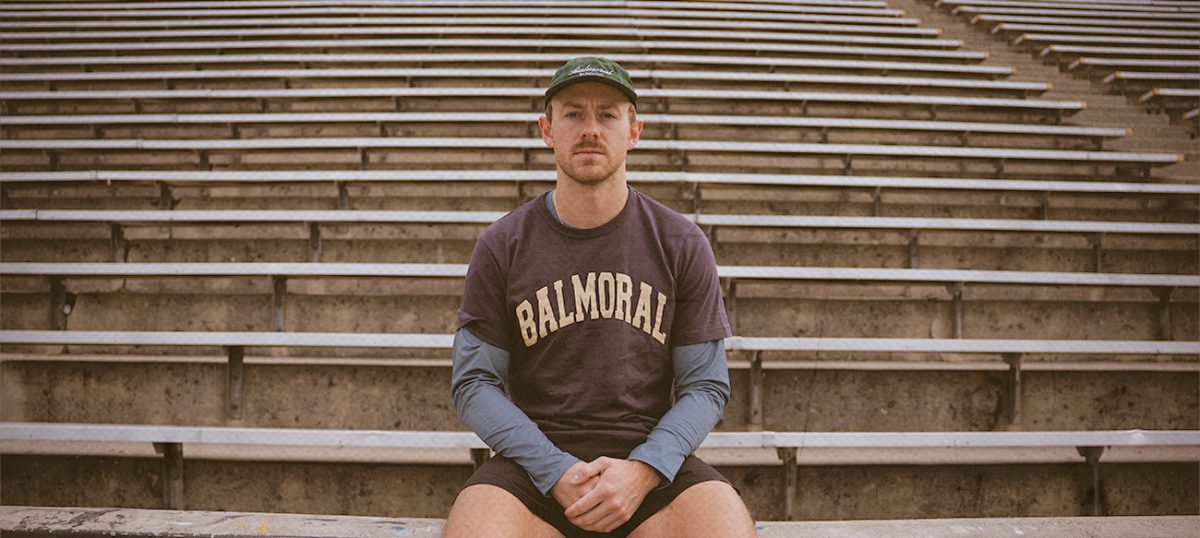



I’d known Emory Atterberry, co-founder of Hyperlyte Liquid Performance, through Instagram, but TRE 2025 was the first time we’d met in person. He stepped out from behind their booth with an easy warmth that made the whole thing feel familiar.
The setup looked clean and intentional—simple but sharp—and then he told me they’d sourced most of it from Facebook Marketplace. Even the lighted display holding their new single-serve Liquid Performance pouches was something they found locally and drove down themselves.
[More by Bryce Carlson]
I didn’t really know what I was walking into with my first TRE.
As Borderlands grows, events like TRE and IRX matter more to what we’re building. But for me, TRE itself was brand new. People told me it was big and loud—an industry showing its size. They weren’t wrong. The main hall in San Antonio was a long stretch of bright, polished booths, oversized banners, lit displays, all of it designed to catch your eye from twenty yards away.
Start here:
The Heart of Ultra Running,
Open Letter to RECCO,
Emory Atterberry
If you walked the edges of the floor, the atmosphere changed. Less shine. More conversation. More people who’d shown up with what they had and made it work. That’s where Hyperlyte was.
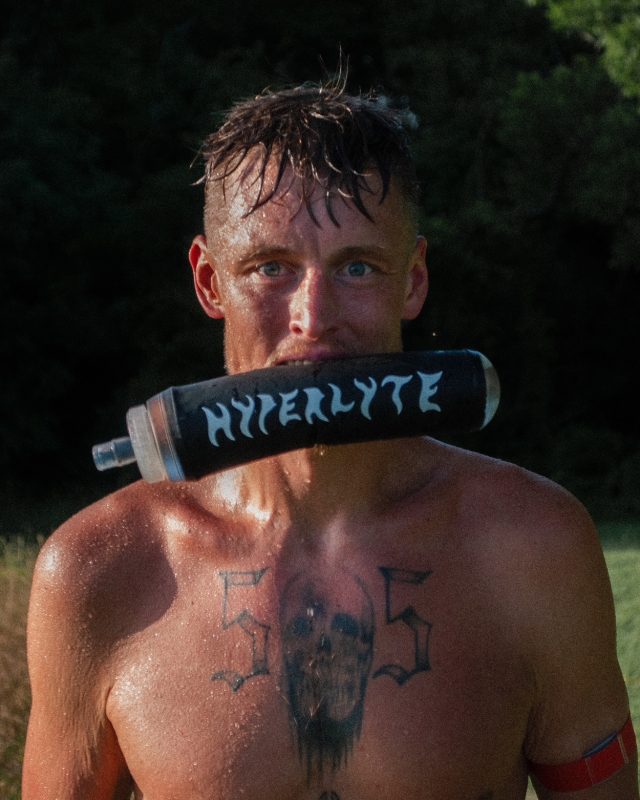
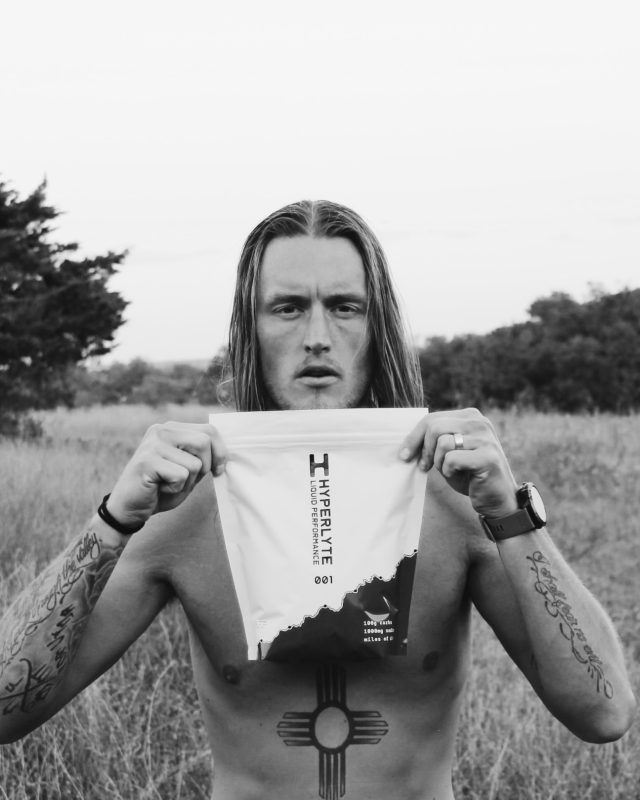
At the Hyperlyte booth, the new pouch was the only thing Emory wanted to talk about.
A potent, dual viscosity liquid gel—something you could take mid-effort without thinking and without distraction. According to Emory, it’s the perfect compliment to their simple math drink mix. He explained it with the grounded fluency of someone who has lived in the details for months. He talked like a runner who’d gotten tired of waiting for someone else to build the thing he wanted.
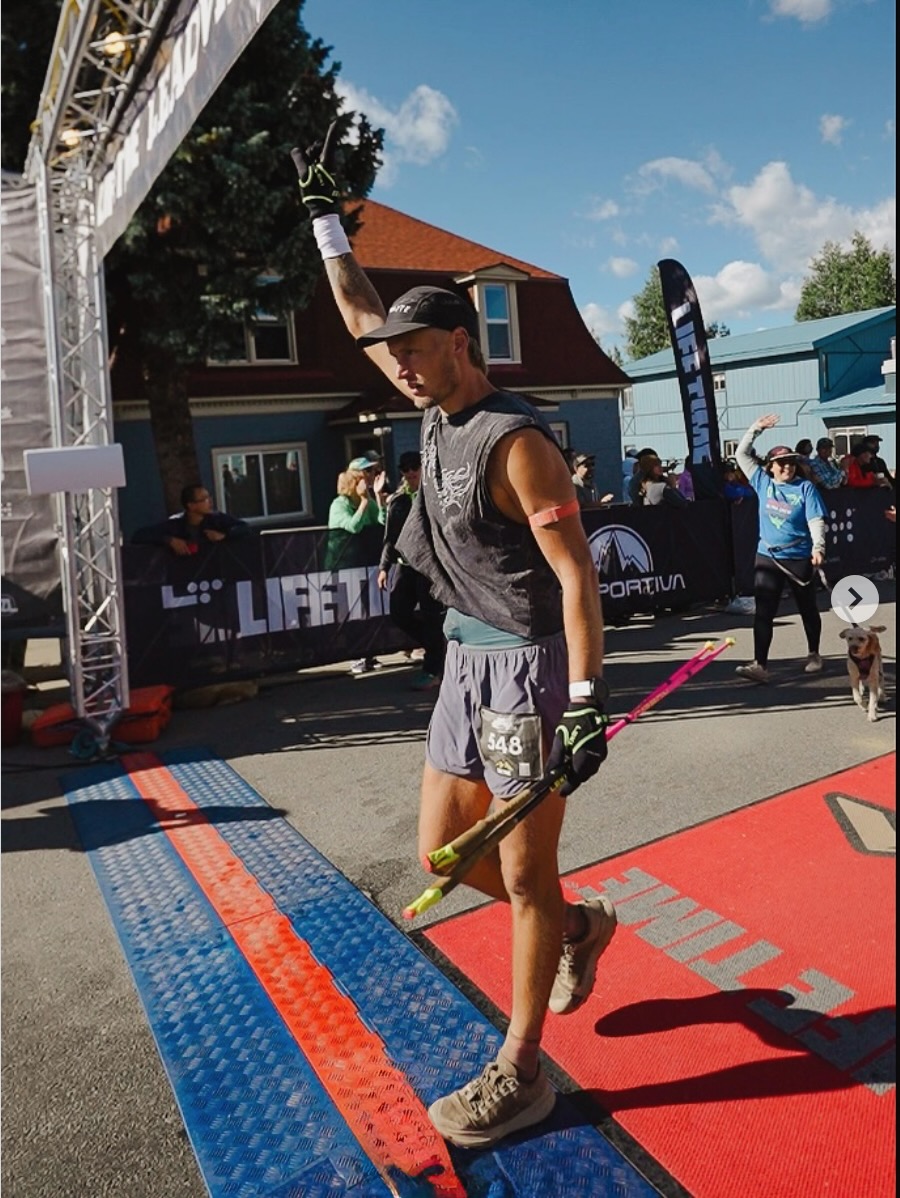
At some point we drifted into a conversation about the show itself—the size of the larger booths, the money required to stand out in the middle of the room. We were standing on the outer ring when he reflected on the obvious resources that were sunk into the presence displayed by the larger brands.
“That’s money I could give to Hans.”
Hyperlyte athlete Hans Troyer—THE KID himself—was standing a few feet to his left.
He didn’t elaborate.
He didn’t say it for effect.
He just said it and went back to explaining the pouch in his hand.
I carried that line with me when I walked away.
A few days after TRE, we got on a call. I figured we’d pick up where we’d left off—with the new product, the process behind it, what he was excited about next. But the first thing he talked about was their athletes.
Not polished bios.
Not performance summaries.
Just the people.
He pulled up the roster on his computer and shared it with me. Emory went name by name, telling me what each person was working toward, what he appreciated about them, the little details you only notice when you actually pay attention.
It wasn’t marketing.
It wasn’t branded enthusiasm.
It was simply the first thing he thought to share.
And in that moment, the line from TRE finally made sense to me. Hyperlyte isn’t built on marketing. It’s built on people—and on the style Emory learned long before he ever knew he’d need it.
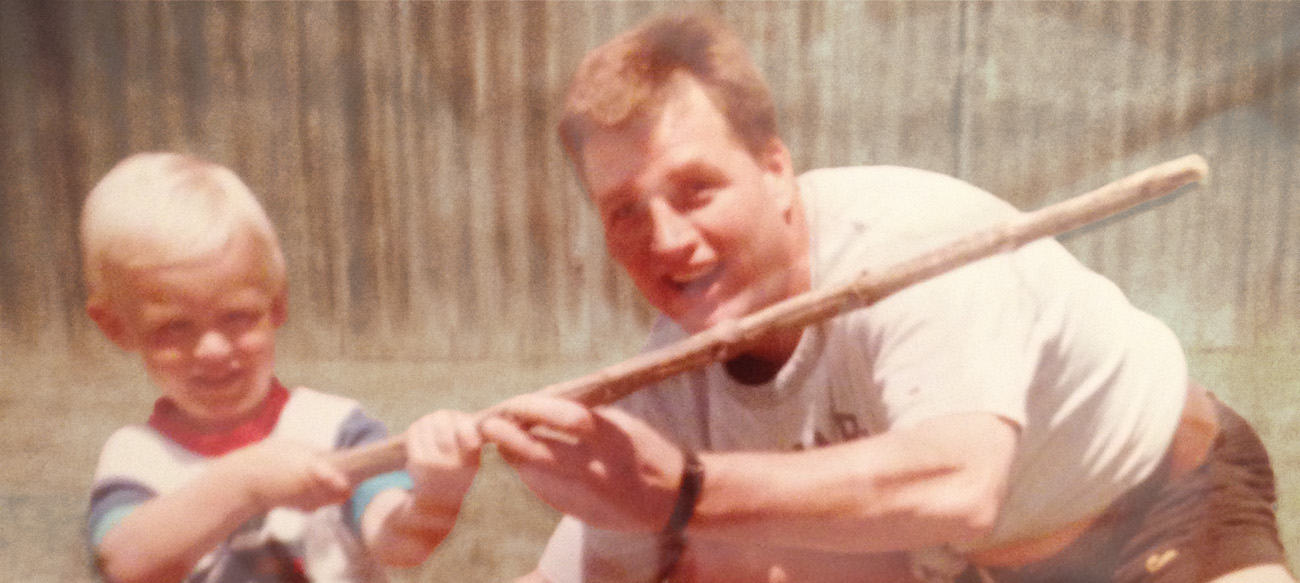
The roots of that style trace back to Oklahoma. Both of his parents came from dirt-poor families—one of six kids on each side, raised in the kind of scarcity that settles into bone memory. When Emory was born, the three of them lived in a one-bedroom apartment in Houston. No room for a crib. He slept on a blanket on the floor.
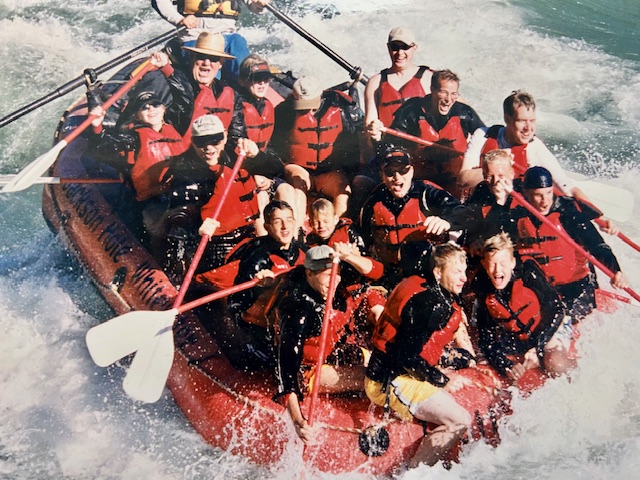
His dad was a football coach and a true outdoorsman. Fish, camp, ski, raft—anything that pushed him and his younger brother outside and into the world. He taught more through action than instruction.
“Style matters,” Emory’s dad used to say.
Not the clothing kind.
The how-you-do-anything kind.
Do it clean.
Do it with intention.
Do it hard.
Do it all in.
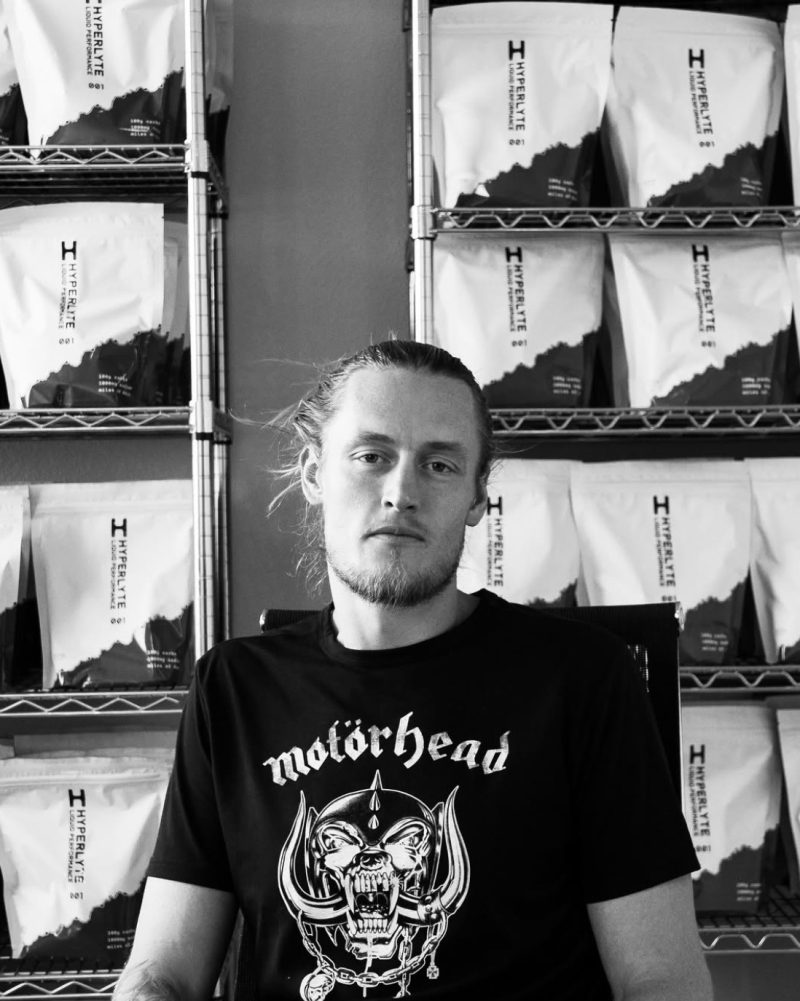
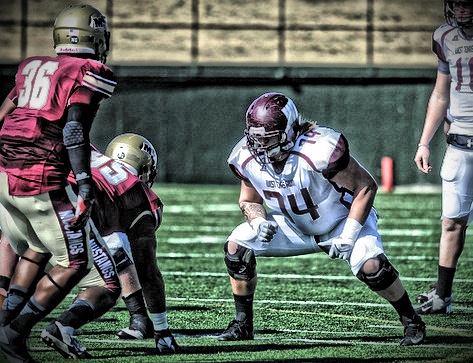
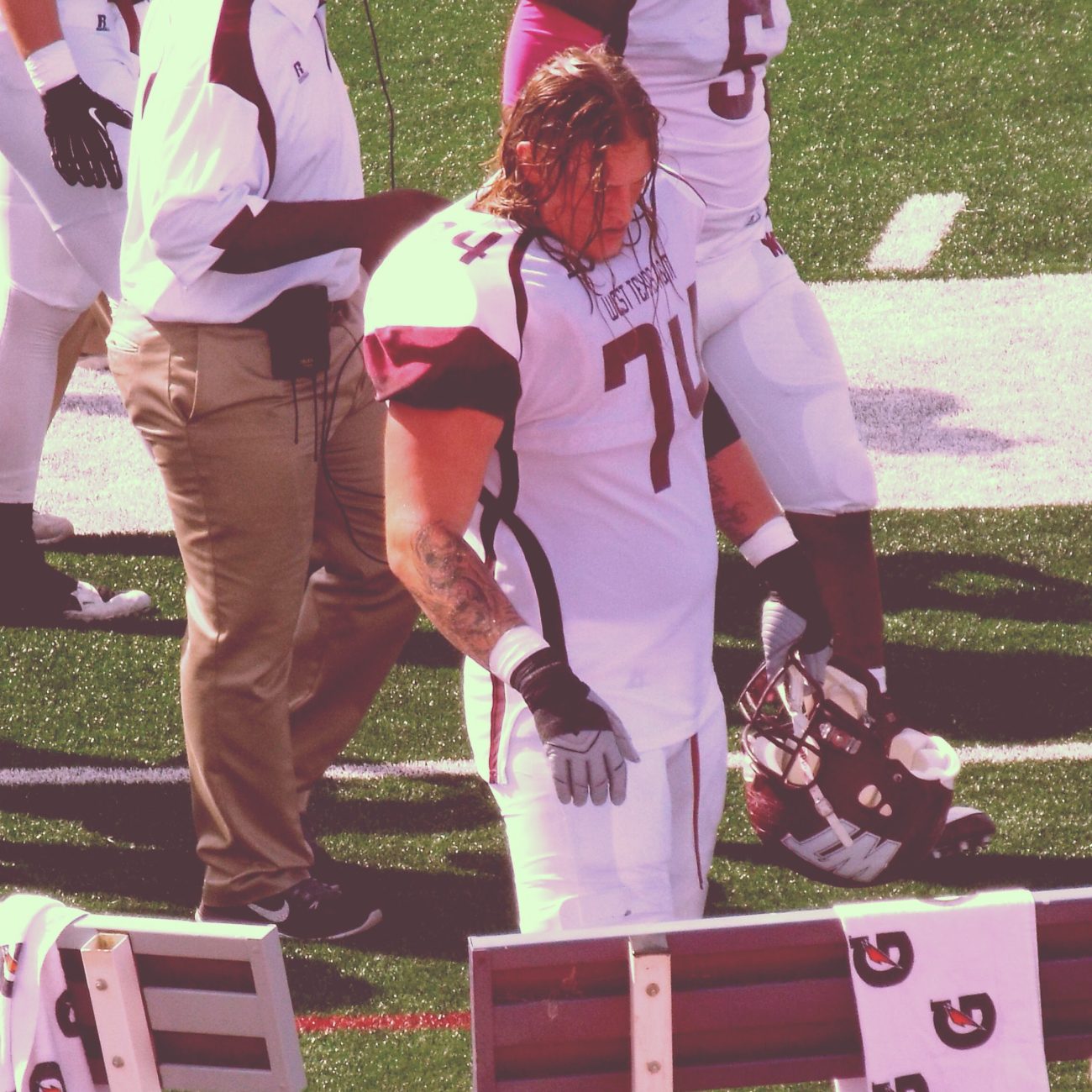
That idea showed up everywhere—his younger brother falling deep into late-’90s skate and BMX and eventually getting sponsored by Red Bull; Emory growing to 6’5″, finding the weight room, and becoming big and fast. If you know Emory now, it’s hard to picture him tipping past 300 pounds. He showed me photos. I’m a believer.
Then the injury during his senior year at West Texas State.
The NFL dream gone.
The degree in computer information systems.
The corporate job in Dallas.
The weight dropping off.
The space opening.
Running slid in.
Trails closed the loop.
His wife got pregnant in 2019. As family, work, and responsibility took up most of the oxygen in his life, running became the path of least resistance. He joined a marathon group, found some fast guys, and remembered what it felt like to empty himself in a good way. Then he found trail running, and everything came full circle to the outdoor adventures he lived as a kid with his dad and brother.
They bought a camper. Started towing it to races with a one-year-old. The mountains brought him back to himself, back to the kind of effort his dad recognized.
That’s when he started noticing the same problem everywhere in the sport.
Nutrition didn’t make sense. Nothing checked all the boxes. Everyone was mixing and stacking and hoping it worked.
And according to Emory, if style matters, it has to matter in how you fuel. Then came Hardrock, where everything he’d been noticing suddenly snapped into focus.
He watched some of the best ultrarunners in the world come through aid stations mixing two or three different products into one bottle because no single option did the job. Even Zach Miller was still shaking together his own blend mid-race.
“That’s when it clicked,” he said. There wasn’t a single thing you could grab that just worked.
Hyperlyte started there.
Not as a brand idea.
As a correction.
One product instead of three.
Coherent.
Intentional.
Clean.
Style, the way his dad meant it.
When Emory talked through the roster at the start of our call, Hans was one of the first names he mentioned. Young, raw, fearless—running Bandera like he didn’t know he wasn’t supposed to outrun the course record. Living in a camper. Eating whatever was cheap. Nearly dying at Black Canyon because he refused to quit. Exactly the kind of runner Emory sees before anyone else.
That’s why the line at TRE carried weight.
It wasn’t an indictment of the industry or a commentary on budgets.
It was simply the way he’s wired.
People first.
Always.
I called Hans prior to my conversation with Emory. I wanted to hear his story on landing with Hyperlyte. He told me that after signing, Emory and co-founder Jeremy invited him to Texas. No agenda, no content plan. They just wanted him there. Wanted to know him. Wanted him to feel part of something real. “They treated me like family,” he said. And the way he said it left no room for metaphor.
TRE is built to impress.
Hyperlyte isn’t.
What stayed with me had nothing to do with the size of any booth. It was the steadiness in the way Emory talked about his work, and the ease with which he shifted toward the people behind it. No effort to sound bigger than he is. No urgency to match the noise around him. Just clarity.
Running doesn’t reward noise.
It rewards intention.
Hyperlyte comes from that place.
When I think back on TRE now, I don’t picture the bright centers of the hall. I picture that small booth Emory and Jeremy pulled together from Facebook Marketplace, and the way Emory talked about his athletes before he talked about anything else. A reminder that the scale of a thing and the substance of it are rarely the same.
Most brands came to TRE to show their future.
Emory brought what he already had: intention, care, and a way of doing things that doesn’t need an audience.
Hyperlyte felt small in the room, but real in a way the rest of it didn’t. They will soon carve out a place in the industry where a prominent booth at TRE likely makes some good business sense. And yet, I suspect that I will chat with Emory again next year in San Antonio at a booth out on the perimeter.