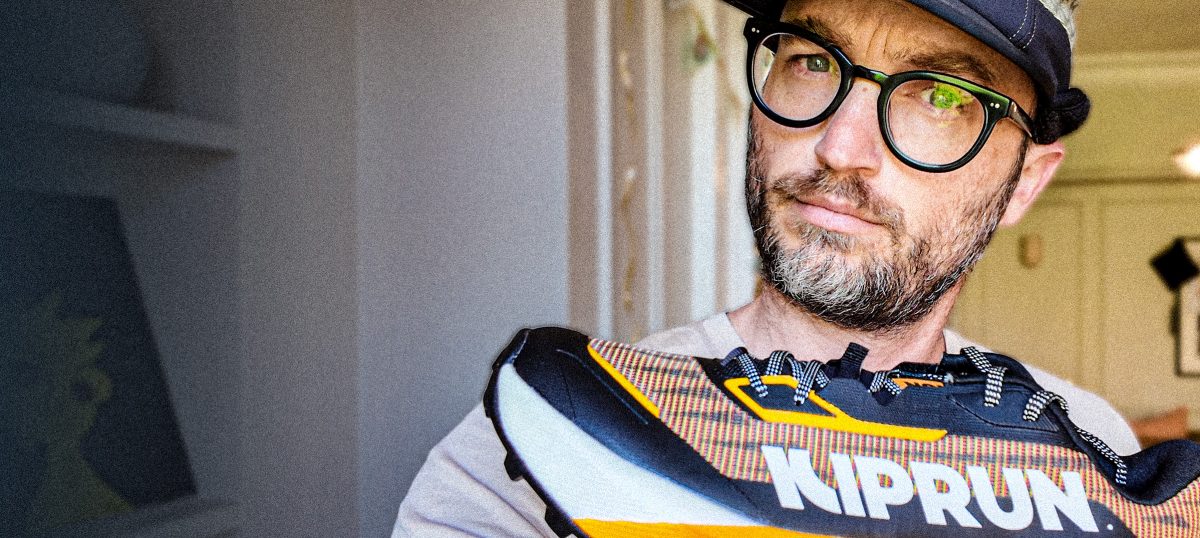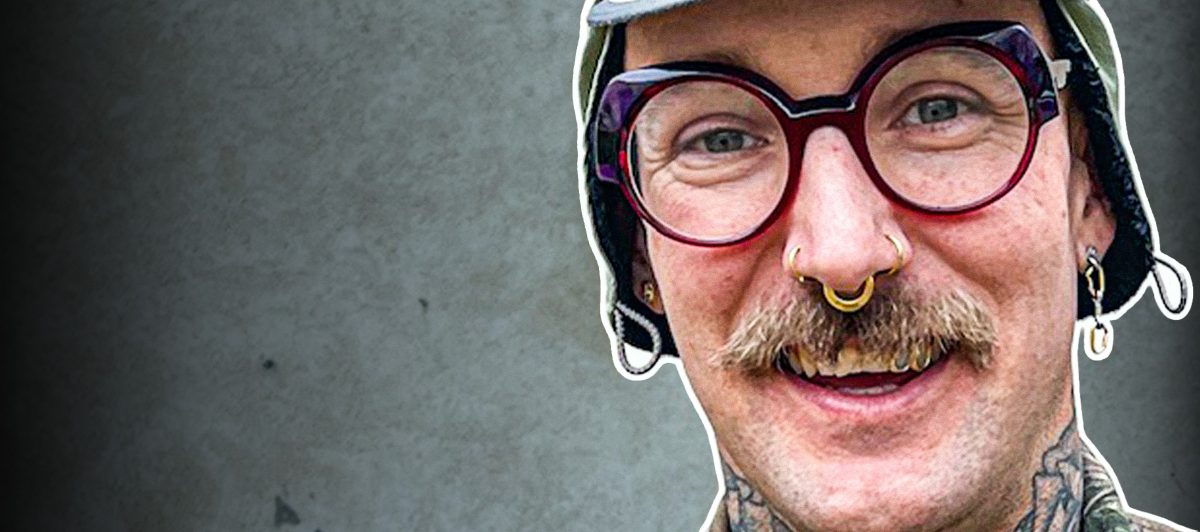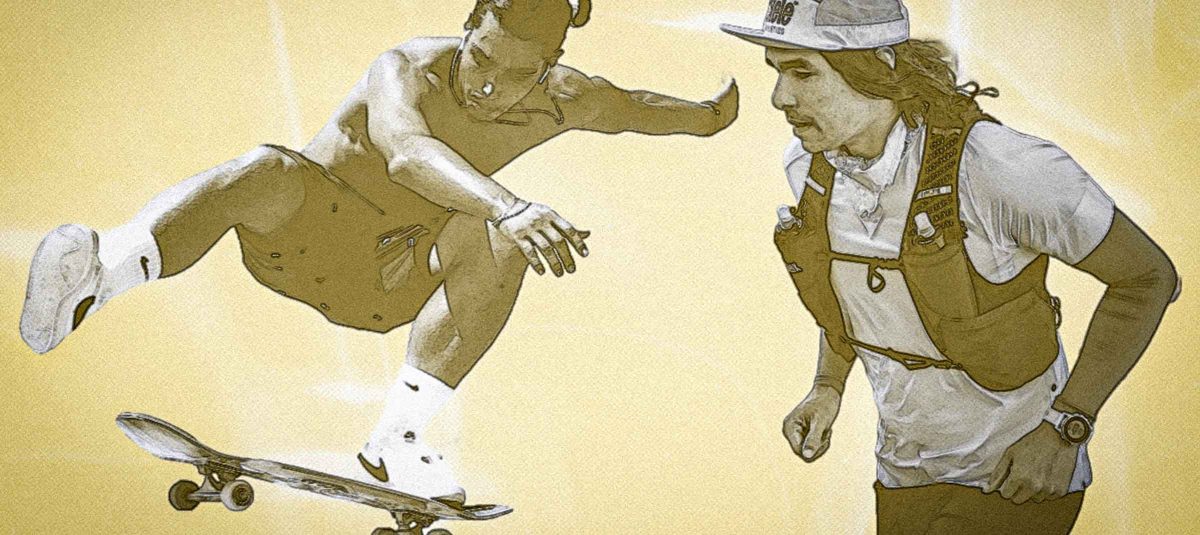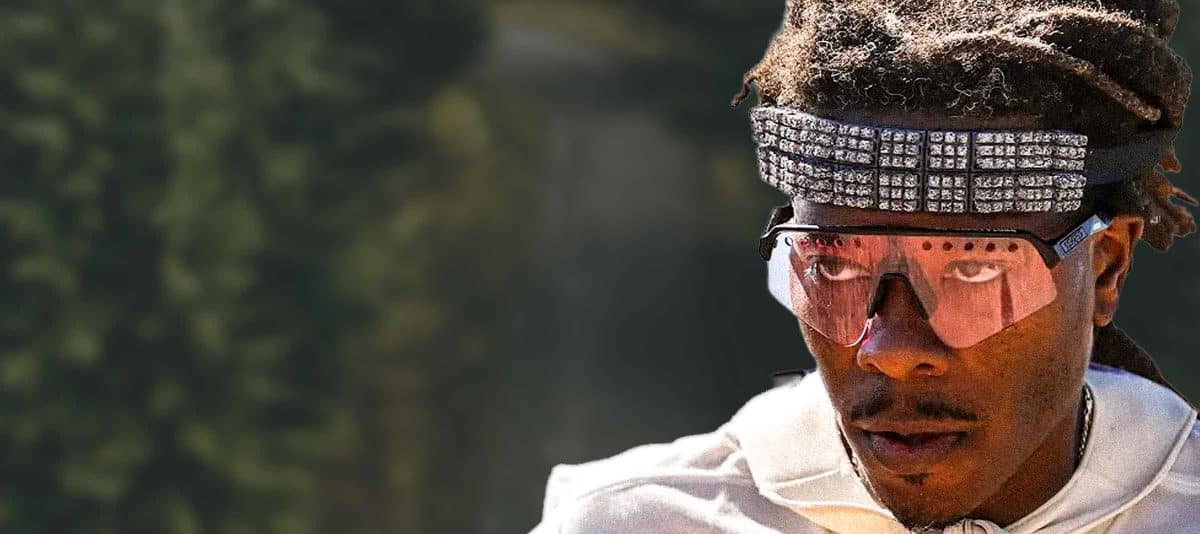



Trail running and running culture go beyond training plans, races, and
performance. Raziq Rauf explains why running isn’t just a sport, but a reflection of
identity, place, community, and modern running culture.
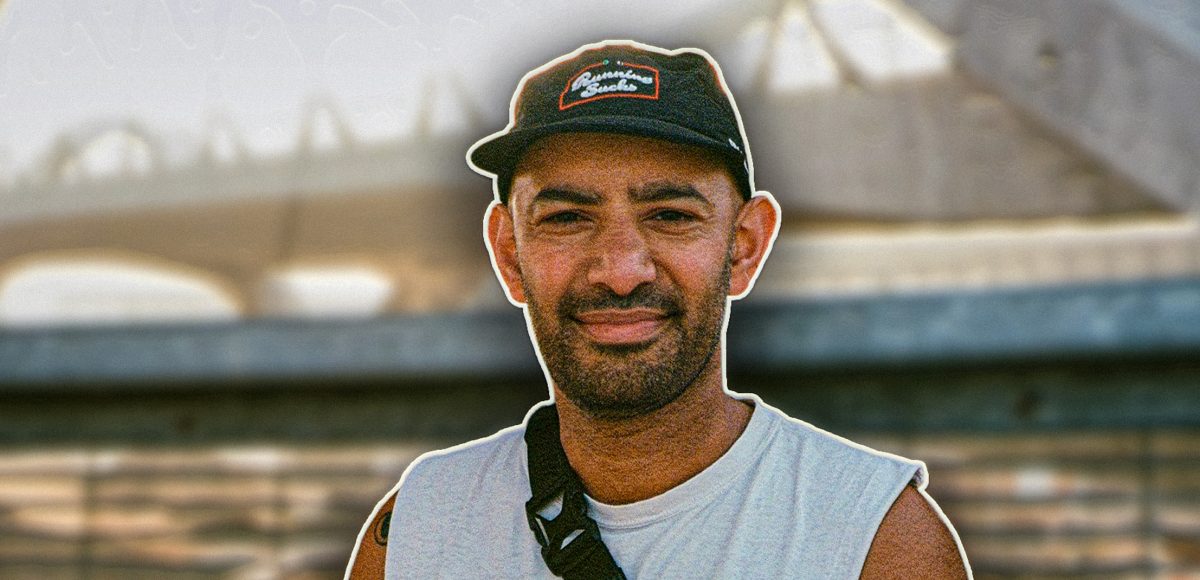
Raziq is the author of This Is Running and writes the newsletter Running Sucks. In
this episode, we talk about running as culture, not just competition: place,
community, creativity, solitude, fashion, consumerism, and why a run can change
the person who started it. We also get into Haruki Murakami, narrative writing, run
clubs, The Speed Project, and the strange modern shift from running as a sport to
running as a lifestyle.
This episode is for runners who care about the meaning of the sport, not just the
metrics.
Presented by Kiprun

👉 Listen to the episode
👉 Watch the episode
Please take a sec to rate and review. It helps others find the good news.
Topics / Timestamps
00:00 The Deeper Meaning of Running
01:06 The Meaning of Running
08:25 Running to Explore
15:07 Fashion and Running Culture
23:30 Running is a Radical Act
39:36 The Intersection of Running and Change
41:38 Running and Creativity
Resources / Links
- Raz Rauf on IG
- Running Sucks
- This Is Running, Raz’s new book
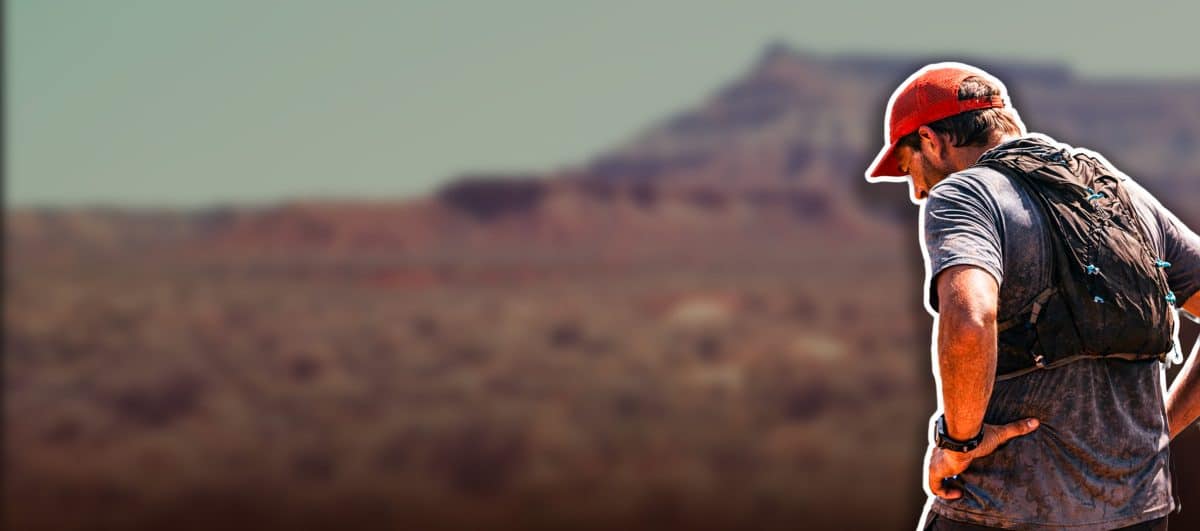
- Thumbnail photo by Carly Palmour
- Josh Rosenthal on IG
- Borderlands.cc
- La French Trail
- High Tones
- Subwhatever
Presented by Kiprun.
Transcript
Speaker A
00:00:00.160 – 00:02:02.800
Maybe running isn’t really a sport. Or at least sport is too small a word for what it actually becomes in our lives. Because running is never just movement.
It’s shaped by place and culture, identity, community, and the life around it. Raz Ralph has been writing about that better than almost anyone.
His new book, this Is Running, captures this moment in running with clarity and point of view. This conversation is about what running actually means is. Borderlands. It’s the Borderlands Trail and ultra Running podcast presented by Kip Run.
My name is Josh Rosenthal. I’m the host and the founder. Kip Run’s new Kip Summit series is now available in the United States. Link in the show notes below.
All right, if you’ve been listening for a little while and you haven’t subscribed, now’s your chance. That’d be super helpful to me if you would do it.
It allows more people to check out what we’re building here at Borderlands Trail, an ultra running podcast. So come race with us in Salt Lake City on May 30th. We got a 10k half marathon, 50k and 50 miler coming together in the foothills of Salt Lake City.
Super excited about it. Link is also in the show notes below. Okay, without any further ado, here’s my new friend, Raz Ralph talking about what running actually is.
What I love about your riding is that you have a point of view, you have a voice, you have a take. You read your writing and you know, it’s your writing. You know, like so many writers long for that, but, but you have that.
And so you, you’ve been sort of entrenched in this moment, you know, of the last decade of looking at running’s meaning, not just run, the performance of running, though it seems like you can hang in those conversations clearly, but you’ve been looking at running, the meaning of running. And I feel like this book, you know, 20 years from now is the one that’s going to take us back to this moment.
I think it has the power to go beyond just this time, but I also think it’s a nice snapshot of this time. Did you intend for it to be that?
Speaker B
00:02:03.680 – 00:03:24.610
That is, that is how I like to write.
You know, I’m glad you think that I can hang in the, in the technical conversations as well because, you know, I’ve, I trained to be a USATF running coach, got that certification, you know, I got, I went further and got my endurance module on top of that, further training, then further training again, marathon specific coaching.
So, you know, I like to say I’ve got the chops when it comes to like actually knowing what I’m talking about when it comes to the nuts and bolts of the hows and the what’s. But then there’s the why. And that’s what I really care about. That’s what I really care about.
You know, I guess I always link it back to my human geography degree. Degrees. I got a master’s as well, which is all about the. The relationship between people and place.
So runners and where they’re running and what they’re running through and you know, that. That in intrinsically human part of it. And you know, that’s what I write about.
And yeah, you know, as I can say that I’m an author now, but yeah, if this book is still holding up in 20 years, I’ll be very, very, very happy.
Speaker A
00:03:25.490 – 00:04:05.070
Well, you know, Haruki Murakami, his first book, I think was older than Us. Now, again, we’re not saying how old we are, but I do believe his first one, he was older than Us. We’re going to get into him here in a bit.
He wrote what I Talk About When I Talk about Running, among many other great novels that I have not read. I’ve just read what I talk about when I talk about running. And I absolutely love it. And he was older than us.
So, you know, of the many things, the parallels I see with running, of that running is something that can be with you for a long time as can. And you can even start later in life and you can publish in your 40s and you can be at the beginning of an epic career.
And I hope that that’s where you’re standing right now.
Speaker B
00:04:05.230 – 00:04:55.690
Yeah, I agree. I look at actors as well, you know, look at like George Clooney, for instance.
He’s had a, you know, you and I, everyone thinks that, wow, he’s had such a long career, but he had to wait until he was about 40 to get his big break, you know, so that was.
That meant that he had 20 years of working, learning, grafting away, like releasing, still, still like acting work, but work that maybe wasn’t as high a level, but the whole time he was learning. And then he got er and then whatever other movies. Out of Sight was one of his early movies, Steven Soderbergh with, with Jennifer Lopez, J.
Lo, one of my favorite movies of all time. Great heist caper. So, yeah, I hope to be. I hope to be Running’s George Clooney.
Speaker A
00:04:58.090 – 00:06:12.740
I buy that T shirt. Okay. So, you know, when I think about, you know, I often think about greatness. I don’t know why. I’m just, I’m intrigued by it. I’m intrigued by J.D.
Salinger riding catcher in the Rye and then going into obscurity, more or less. I think about this sort of stuff a lot and some of the people that I really admire come to it later in life.
I mean, I think because sometimes the depth required for certain versions of success require a lot of extra life lived.
And I think as you delve into this book, and I’ve got some quotes that I’m going to start with right now, we’ll see some of that wisdom and it’s from, in the wisdom of your words, also of having the wisdom to pick the right people to do those sort of vignettes about as well. So I’m going to hit you with a few quotes and just kind of as a way of inspiring some lanes for us to chat in.
So I’m going to hit you here with this first quote. You say there’s so much of this world to explore, so what better way to learn about different cultures than via running?
Doesn’t traversing the globe and seeing how every runner engages with their environment in a beautiful and unique fashion sound like the perfect way to, to learn about the world? Just expand on that.
Speaker B
00:06:14.580 – 00:08:12.350
It’s how I’ve done it. It’s how I’ve done it. Whenever I, I love traveling, I love it and I love experiencing how other people live.
And you know, I do like to do those hop on, hop off bus tours of, of a capital city. You know, it’s like such an easy, friction free way of learning the, the headlines of a city.
You know, like if, even if I’m back in London, you know, I’m gonna have to take my kids on one of those this year and show them Buckingham palace, show them the Tower of London, stuff like that. And they can get, they can get all of that, all of the, the basic stuff there by paying however much, 50 bucks or whatever.
But if you want to see how the people live, you have to go around on foot. And I love efficiency. And so if I’m going by foot, I want to do it quicker.
And you can run around the neighborhood in, you know, let’s say a single neighborhood, you can run around it in an hour, the main streets, you know, and through, through the houses a little bit maybe.
And if you’re running early in the morning, you get to see, you know, which coffee shops are open first, which ones have a line, you know, so you can go back home. Like, let’s say you’re going with a couple of friends.
You can go back to the apartment and be like, hey, I ran past the coffee like a bakery that had a line. Maybe we should try that one out.
Because you’ve already got an idea better than somebody who hasn’t been running, like, what the hot thing is in the city. And if you go out, if you go running in the evening with a crew, they’ll show. They’ll show you their city. And they love to do it.
People love to share the things that makes them themselves. We do. And, you know, this book is a whole book of me doing that. I guess so, yeah.
Speaker A
00:08:12.350 – 00:08:39.080
I mean, and it’s cool to hear. Then you say what your degrees were even in of this, like, human geography.
So it feels like there’s an element of serendipity in your life, that running end up being, like, the place where this kind of passion in your life or this. I don’t even know if passion’s the right word. But this trajectory in your life landed with running as being the canvas for it. Right.
Where you’re already looking at how humans interact with place. But what better way than to do.
Speaker B
00:08:39.080 – 00:09:33.910
That through running serendipity. Yeah. Or reframe that. And, you know, the stuff my. My degrees taught me, how to think about life is another way to think about it.
And so everything I’ve done since, it’s kind of framed through that lens. So I think about. I think about people and place more because of. Because of those four years at university.
And so is kind of a chicken and egg situation. Like, was I always thinking that way? That’s why I chose the degree.
That’s why, you know, I specialized throughout the degree because, like, that’s the stuff I’ve always been interested about. And so I went deeper into it and learned more about it. Because if there’s one thing about me, if I find a topic, I will learn a lot about it.
So, yeah,.
Speaker A
00:09:35.670 – 00:09:44.610
100% With you, to a fault, I would say. There’s no version of that to where I don’t take it to the absurd end and it become a weakness instead of a strength.
Speaker B
00:09:44.930 – 00:09:49.250
Yeah. Like, honestly, I’m surprised. This is the first book I’ve written. So. But, you know, let’s not dwell on that.
Speaker A
00:09:50.370 – 00:10:01.490
So do you have any just. Do you have any bangers? Do you have anything that’s, like, in your mind of, like, top run? I was, you know, in this place, and this was the run.
Like, do you have specific runs that come to mind?
Speaker B
00:10:03.250 – 00:11:07.380
No, actually, I love every run genuinely. You know, even down to the mundane.
The most mundane is the one that I do multiple times a week from my, from my house, like getting out my back door, just like running, running up through, through Glendale, shout Glendale, you know, just do five, six miles through the neighborhood. I love it because again, I get to see how my neighborhood is changing. And you know what’s different from last time?
Oh, the street cleaning hasn’t happened this week for whatever reason that there’s extra trash on the street or, oh, this music venue has turned into an orthodontist. What the hell, you know, stuff like that. But so I love every single one. Every single run gives me something.
I enjoy the runs that I do with my friends a little bit more, maybe, or in a different way at least. But I like to take something from every run.
Speaker A
00:11:07.940 – 00:11:21.300
I mean, are you the type that, you know, you talk about running with friends. Are you the type that would go to a run club where, you know nobody and you’ll show up and, you know, be outgoing and go shake hands?
Or do you have like the same crew that you’ve been running with for a long time?
Speaker B
00:11:22.260 – 00:12:00.820
I do, I do go visit crews that I, that I know nobody at. And I don’t go around shaking hands, but I wait 10 minutes to see where I settle in, like, pace wise. And then I’ll chat to whoever I’m running with.
Definitely. It’s a, It’s a really easy way to have a little conversation. You know, I laugh about.
I’m freelance, I work from home, and I laugh about, I joke about needing to be socialized like a dog, you know, to. So going, going to a run club is like being taken for a walk, taken down the dog park.
Speaker A
00:12:03.700 – 00:13:09.420
Yeah, I feel, I feel similar. I mean, of course I’m from west Texas, like flat, flat, West Texas, you know, wasn’t a runner growing up.
And I have to preface it with that is because my love of running was born in Salt Lake City. So, you know, you don’t have to love running much to really get to enjoy this Paris running. It’s very nice. It’s very flat.
You’re along the R. You know, if you’re, if you’re interested, like, you know, you can walk and you can see beautiful things. So, you know, I’m pushing that to the side and say, you know, of course that’s enjoyable. But to me, I feel you like Liberty park in Salt Lake City.
That I’ve run around. I bet I’ve run around that park more than anybody in Salt Lake City because I didn’t always have time, but I lived right next to it.
And so I would go and, you know, if I had to get a half marathon in my training, it would. That would be, you know, 13.1 divided by 1.5. And I would just do that over and over again. And that run, to me being here is the one I miss the most.
Like, just like, you know, so there’s. It’s funny, I think I was coming at this from the angle of romanticism. Did you run across Rome and see the Coliseum? But that you.
That you took it into the. To the everyday, I think is more romantic.
Speaker B
00:13:09.740 – 00:14:10.420
It is like there is something romantic about. About home, you know, Like I would.
I will say if there’s one, if there’s one run that stands out for me, it’s when I went to Porto in Portugal and I ran a running tour and you know, signed up, spent them, gave. Gave the fella PayPal to my euros and. And he came, picked me up from the hotel and showed me his. Showed me his city one.
It’s a one on one, a one on one tour. And it was incredible. You know, he. We talked, we taught history, we taught politics, we taught culture. You know, he.
He showed me places where old presidents lived and where battles were fought, but also, you know, street art, graffiti and stuff like that. So. And the best bakeries and restaurants to go to. So he showed me everything. It was like a hop on, hop off bus tour, but just with one guy.
Speaker A
00:14:11.700 – 00:14:15.710
Man, I love that. All right, let me give you quote number two here.
Speaker B
00:14:15.790 – 00:14:16.270
Cool.
Speaker A
00:14:18.510 – 00:15:11.940
Nils Arend, mutual friend who I often talk about when I explain. Nils Aaron, founder of the Speed Project. I get to talk to a lot of creative people. I love what you’re doing with Solomon, by the way.
Shout out to that tour where you’re talking about creativity. I love to think about people who are creative and talk about that.
And when I explain Neil’s Aaron to somebody, I say there’s never been a time where I. We’re talking and I feel like the conversation is headed one way that it so rapidly changes another way that I am happy that it did it. Even if the.
Even though the car jerks really hard and I get some whiplash. A conversation with Nils Errand is always that for me and it’s always unexpected and almost always generous.
Is a very unique person to have a conversation with. So let me give you the quote and you can, you can, you can go wherever you want with this.
Speaker B
00:15:11.940 – 00:15:12.420
Cool.
Speaker A
00:15:13.060 – 00:15:39.620
You asked how has the running world changed since the first Speed Project, the first tsp?
The interesting thing as this is his quote, the interesting thing with running is that 10 years ago running was a sport and now running has become a lifestyle. It’s enriched by other elements, music, fashion, certain event formats.
So when you say running culture, I think about running as a lifestyle, not just a sport. Do you agree with his answer?
Speaker B
00:15:40.500 – 00:18:25.820
Partly. I think, I think running as a sport is also running culture. I think both are the. I think I understand what he. I fully understand what he’s saying.
And, and if you were to, if you had to draw a distinction, then it’s the easy one to make. Like, running culture is how it’s how it’s changed. It’s. It is how it changes. Like culture changes constantly.
You know, everything from, you know, the width of your jeans to the TV shows on, on that you’re watching, to the politics in government, you know, that, that shapes the culture of, of a city, a country, the world, you know. So, yeah, you know, there are some things and there are some things that get that have the word culture attached, like fashion or couture. Right.
You know, it’s like it owns, it almost owns the word culture. But what about the culture of racing? You know, Speed Project is a race and that is a huge part of culture.
Like, I think that 15 years ago, you know, for context, I’ve been running as an adult since 2006, and running 5Ks and 10Ks is a deep part of my personal running culture. You know, I use them to learn about Los Angeles.
When I moved here, I used to go sign up to 5Ks and 10Ks all over the city to like to learn about this new, my new home by foot. And so through those races, that’s how I found out about Cruise, you know, which is part of what he’s talking about.
Part of what Nails is talking about the Cruise, about modern, modern culture. But I found out about them through racing and, you know, I may have. I wasn’t racing hard, but I was still racing.
I still like, you know, it was a on the date, let’s see what I can do kind of situation. I thought, yeah, cool. Like sometimes I was always in like the top 10%. Sure. But like, where in that top 10% was it going to come?
Was always my question. Was I going to be 8% or 9%? Never 1%. Definitely never 1%. But yeah, I think the culture is.
And the culture is different and individual to every person and every entity within, within the running world. I would Say so. Yeah, the new stuff is definitely part of running culture, but so is the old fashioned fuddy duddy style of racing.
Speaker A
00:18:26.300 – 00:19:13.870
Yeah, yeah, it’s a very generous answer. I remember one of the subs that you put out, you said something about you have this way with which you write that comes off that.
I’d love to hear how you would explain when you write something like this because you said culture now just means close. I guess that’s where we’re at something. I don’t have the exact quote, but it’s something like that.
And the way that you write it is just so, like matter of fact. It’s clearly a commentary on it, but it’s very few words. It’s clearly a commentary and it’s clearly saying this is not true.
But what we’re seeing in running right now is that culture. To your point in that substack you were saying most people just say if you talk about culture, you mean clothing right now.
Speaker B
00:19:14.030 – 00:21:24.440
Yes. Yeah, yeah.
I don’t like to be too abrupt with my, if I’m with my, with my damning words, at least I like to leave them lingering in the air for people to figure out for themselves to a certain extent.
But yeah, you know, I do think one of the reasons we think about clothes primarily or only as running culture is because of where we are, like more broadly as a society. You know, younger people, especially the younger generations, maybe can’t afford to buy a house at the moment.
And so if you’re not saving up, you know, whatever you need to buy a house in America, quarter million in LA or something stupid like that, what you’ve given up, like saving up a quarter of a million dollars, but in Your, in your 20s or 30s is nigh on impossible, I would say. And so you may as well just spend that money on things, clothes.
So, you know, if you told me when I started running, when I restarted running rather, that I would, that I would be wearing a thousand dollars worth of gear on a run, I would have laughed you out of town. No chance.
Like, sure, I do have to buy a specific pair of shoes, maybe, maybe a nice pair of running shorts and a shirt, but I’m not gonna spend 50 bucks on a pair of socks. You know, I might buy a running watch. I did, but I was always fancy like that. But you know, I would have said, no, you don’t need it.
You don’t even need a special pair of shorts. I guarantee you’ve got a pair of, you know, of athletic shorts in your, in your wardrobe. Just put them on and go for a run.
I’m sure you’ve got a T shirt in your wardrobe. Just go put it on. Go for a run. But now you can spend 150, 200 bucks on a shirt.
The same on a pair of shorts, same on a pair of shoes, same, if not more on a watch, a hat. What else? Socks and anything.
Speaker A
00:21:24.440 – 00:21:25.720
I don’t know there’s anything left.
Speaker B
00:21:25.720 – 00:21:26.120
Yeah.
Speaker A
00:21:26.120 – 00:21:28.450
That has not been. You turn into that.
Speaker B
00:21:28.450 – 00:21:45.330
It’s not. It’s not even difficult to get up to a thousand bucks. Like, sure, you’d have. Every single component has to be a little bit bougie. Sure.
But only a little bit. There are. There are 500 options for shoes. There are 500 options for watches. You got. You’ve got a grand right there.
Speaker A
00:21:45.970 – 00:21:46.370
Right.
Speaker B
00:21:46.770 – 00:22:27.750
So, you know, that was tangentially me saying we’ve got more money to spend on this stuff. So clothes is always the first. First thing to go. First things to spend that money on, I think. And so that’s where the focus is. We’re in.
We’re in a moment of extreme. I don’t know, what’s the word? Commercialism. Purchasing for kind of small ticket items because, you know, they are small ticket. Even.
Even if it’s a $250 pair of shorts. It’s not a house, it’s not a car. You know, it’s. It’s. It’s a little thing to make us feel better because everything else is a bit rubbish.
Speaker A
00:22:29.320 – 00:23:02.100
Yeah. I think in your book, you highlight it to show, I think, that you live in the tension comfortably, you know, of this stuff.
And in your writing, you highlight Soar running out of London. Tim Soar, I think, is a wonderful person. I really enjoy him. I enjoy what Soar’s doing. I have some of their stuff.
But, you know, my point is that it could be easy to get cynical and say, okay, there’s. Everything’s been commercialized, you know, but at the end, there’s so many of the small brands. Brands where there’s someone that’s behind it.
Speaker B
00:23:02.180 – 00:23:02.780
Oh, yeah.
Speaker A
00:23:02.780 – 00:23:17.500
That just. It’s. It’s like an expression of love that they’re doing it. So you might see the 250 pair of shorts from Soar.
What you don’t always get to see is there’s this man, Tim Soare, who in his 50s, rebuilt himself as a designer.
Speaker B
00:23:17.500 – 00:23:17.820
Yeah.
Speaker A
00:23:17.820 – 00:23:32.140
And this is an expression of. Of his love and his whole life coming into one thing. And sometimes that unfortunately just. We see the price tag. That’s a different discussion.
But behind everything that’s been commercialized, there’s, There’s. There’s a story, usually of passion.
Speaker B
00:23:32.300 – 00:24:27.490
Yeah. Oh, absolutely. And. And I love it. I love the creativity that running gives us. You know, I love, I love it.
You know, running is a genuine way to boost creativity.
And so it’s no surprise to me that there are so many creatives in this field, so many people making clothes, having these conversations on podcasts, writing books, all of that stuff, you know, that’s like, it’s such a creative conduit.
And when, when I see people doing it, all I want is more because I think the only two things, if we only had two things in life as humans and there were creativity and community, I think would be so happy. As a population, you know, all we were doing is creating and sharing it with our friends. Wow. You know what?
Speaker A
00:24:27.490 – 00:24:27.890
Yeah.
Speaker B
00:24:27.890 – 00:24:59.740
Is there anything but like, no bills to pay, no jobs to do? We’re just living in the wilderness, creating things with our friends. How amazing is that?
You know, and so, yeah, if one of those people is Tim Saw and he’s like, guys, I’ve got these, like, amazing shorts made of that I knitted together, and super lightweight. We can go. We can go running for, for days in these. And they look cool. Absolutely. You know, yeah, totally.
Speaker A
00:24:59.900 – 00:25:28.800
All right, let me give you quote number three here. Running is a radical act. The person you are at the end of a run is different to the person that took the first step first and foremost.
Taking the time to turn up for your body and mind is a purposeful moment of self care. But as you run, you learn things about yourself, the people you’re running with, and the places you’re traveling through.
Do you recall writing that sentence like, where did that come from? There’s so much there.
Speaker B
00:25:30.160 – 00:25:32.800
Well, that’s the opening line of the book. Yeah.
Speaker A
00:25:33.040 – 00:25:35.520
So you have probably think about that. You probably thought about that a lot.
Speaker B
00:25:36.000 – 00:25:41.200
That was both the first line I wrote and also the last line I went back to edit.
Speaker A
00:25:41.850 – 00:25:42.090
Really?
Speaker B
00:25:42.330 – 00:27:09.510
Yeah, it was. I wanted to set out the stall for this book and, and, you know, set the tone.
And I wanted people to think about running in a very specific way from the start.
And, and I wanted them to at least get an inkling, an idea of how I write, because you may read my newsletter, but 99.99999999% of the planet does not. 99.999% Of the running world does not.
And so if that had to be an introduction to who I am and how I write and how I think and, and yeah, it was always in my mind. I wrote, in the months that I was writing the rest of the book, I kind of honed that slowly and. Well, not, not slowly at all.
I wrote this book very quickly, the actual thing down and writing it process. But I, I’m really happy with that line that’s, you know, I think it’s, it has, that has that kind of sloganeering impact of running as a radical act.
But then I think it’s explained well and it’s up to the readers to tell me. But seeing as you’ve chosen, it must be all right. Well.
Speaker A
00:27:09.670 – 00:27:35.580
And so I’m going to combine it with quote number four because I think it’s an interesting way that you’ve woven the concept together. The person you are at the end of a book is different than the person that first picked it up.
Reading is just as monumental an act of self love as running. Why did you go there with that? It’s a brilliant, it’s a brilliant tie in and a brilliant play on words and something interesting happening there.
But why’d you take it to reading?
Speaker B
00:27:38.700 – 00:30:36.960
Because it’s a book, man. No, I genuinely like, these are the two things that tie my life together.
When I was, I remember I was in the airport at LAX and, and you know, what is it the California border patrol or whatever it is letting me back into the country. He was like, so I see you’re a runner. And like. Yeah. He said, and you’re a writer. Yeah, which one? I was like, kind of both, actually.
I think like he was being playful. He wasn’t being, he wasn’t being a mean, he wasn’t being a mean American official at all.
He was, it was a playful conversation and you know, he’s like, which one are you? And I was like, I’m both. That’s a 50, 50 thing for me. And I do think reading is essential to understanding the world we’re in.
You know, we can, we can travel, we can visit other, other places, other countries. We can, we can live among them and have that human experience. But reading is fundamental, like learning concepts and, and whatnot.
You know, my, my ma, it wasn’t a taught degree. I may have the certificate somewhere, but I wasn’t studying geography, I was reading, they call it reading geography.
You know, you’re reading history at university. It’s an old fashioned way of saying it, but you can get so much from it and it shapes your ideas.
Just like, you know, just like I was saying about how I go through life through the lens of my degree is it all came from reading. So I do think it’s a radical act.
And you know, going back to Nils, he loves that word radical as well, which is one of the things that, that attracted me to him because I’ve always loved that word because just means a fundamental change. Like that’s what a radical act is. It’s a, it just is. It’s a fundamental, just. It’s just a fundamental change. But doing that, you can hope that it’s.
The more you read, you can hope that it’s a fundamental change for the better, for understanding. I guess that comes from personal, you know, starting points and viewpoints and how you want to interact with the world.
But if you, I, I hope that everyone goes in with, with good intentions to understand more and understand more people and bring more people into the tent. So yeah, I think running, running can do it on, on a very personal level.
You can understand more about your body, about where you’re running through stuff like that. But then reading can help you understand the world.
Speaker A
00:30:38.000 – 00:31:06.210
What is it?
I mean, so in these two quotes, you know, hitting on, on really on transformation, like a, you know, rather massive word, it seems like again, to say this again just like you said with radical, just radical, we’re talking about just transform. We’re talking about transformation. You know, another space that you feel comfortable with. You know, where does that come from?
Like is you’ve just always been, you know, interested. Is there a self awareness piece there of knowing that there’s parts of you that need to change?
And then you look for these moments where it actually does.
Speaker B
00:31:07.810 – 00:33:51.880
I think, I don’t know, you know, it’s chicken, chicken and egg again. Like, why do I love running? Is it because I can get, you know, runners are always trying to transform themselves.
We’re always trying to get a better pb. We’re trying to get faster, we’re trying to get. We’re trying to run farther.
You know, we’re trying to do something different to what we were doing yesterday. And I think that’s true in life. You know, people don’t want to stagnate.
You know, I think, you know, getting into a rut is a negative thing that people complain about after having done the same thing for 10 years that they didn’t want to do. And so I think the idea of self improvement is inherent to humans. And these are just two ways that I love doing that for myself.
I love running because, you know, it could just be the basic thing of, for your health or, you know, because you need to. You feel like you need to, like, shed five pounds. So it’s like, okay, I need to run a bit more the next few months.
Or you want to, you need to get out for your mental health. Like, I don’t, I don’t separate mental and physical health. It’s all health. And so those, there are those things, but then there’s like reading.
I, I need to find out about this thing. You know, we can talk about. You can, you can get books about anything for free from your library and learn, and learn whatever you want.
You just set yourself a task. Even if that’s, even if that’s fiction and it’s not a. Necessarily a how to guide or anything like that, but you learn about.
I love reading fiction because it teaches me how to knit ideas together. And those are my favorite authors, you know, like someone like Chuck, Paula, Nick, his early work, certainly. It’s. They’re so thoroughly researched.
You can tell, like, how deeply he got into a topic just for one paragraph, just for a little throwaway paragraph. I’m like, you spent weeks learning about that thing. And, well, I don’t know how quickly he learns, but it would take me weeks anyway.
But you can see the craft gone into that paragraph, and I love seeing that. And it’s one of the things that informed how I write. Like, I like to, I like to put across a whole subject’s worth of information in one paragraph.
That goes back to my journalism training where they were like, yeah, you need to. The reader needs to know what you’re talking about in one sentence. I’m like, holy shit. Cool, right?
Speaker A
00:33:52.520 – 00:34:31.639
Talk about someone, you know, being in, in creativity. I think one of the hardest things, you know, to talk about you writing for your substack and me creating content.
One of the hardest things is you want to title things as create. At least for me. I want to, I want to give it a creative title.
And one way to kill your content and destroy its reach is to give it a creative title that, that someone can’t see and understand enough to want to dig in deeper.
To me, I, I still, I still have to mourn that regularly, but I had to let that go because I love, you know, I’d rather do something creative than do something for clicks. But yes, they’ll never consume the creative stuff if you don’t optimize for some click stuff.
Speaker B
00:34:31.639 – 00:35:01.199
Yeah, I hate it. Yes, I struggle with that as well. You know, I want to give some obscure quote as the title every week.
That, that means that, that that ties it together in my Head. But it means nothing to the person that needs that I. That I want to click that email because they think it’s interesting. So, yes, it has to be.
Josh Rosenthal says this about Borderlands rather than something from Haruki Murakami’s third novel.
Speaker A
00:35:01.199 – 00:35:02.079
An obscure quote.
Speaker B
00:35:02.079 – 00:35:02.479
Yeah.
Speaker A
00:35:03.119 – 00:35:26.250
In Japanese.
So, you know, I read a few substacks, I read yours, I read Matt Trappy’s, and anytime those come in, I love the substack model because of how easy it is to consume.
And it’s comes into my inbox and if I see something, I always just try and send a quick note about it to, you know, whoever wrote it because I know what it’s like to pour yourself into it and for people to really consume it, but they just never say anything.
Speaker B
00:35:26.330 – 00:35:26.810
Yes.
Speaker A
00:35:27.050 – 00:35:40.010
What’s the average response that you get from, like, do you get people emailing back after you send something out? Is there something that you just. When they say something like this, I just love it.
Like, what, what motivates you to keep going from your reader feedback?
Speaker B
00:35:40.250 – 00:38:05.950
Yeah, it’s. It’s a real mix, actually. You know, there, there are comments underneath the articles, of course, but yeah, I get replies and, And I really like it.
I always, I always try to reply. So a lot of the times those replies go into my spam and it pisses the hell out of me, but, you know, pisses the hell out of me.
That’s not a real phrase anyway. But yeah, it, I love it. A huge part of why I started the newsletter is, is to build.
Not build a community, but to, to like, build some new connections. I missed writing. I used to be a music journalist in my 20s for. As a context to this.
And I used to go around interviewing bands, you know, Faith no More, Queens of Stone Age, Black Sabbath, blah, blah, blah. Huge names like the. The people Hero, absolute heroes of the rock and heavy metal world. You know, I’m like, oh, that was so, so much fun.
Didn’t pay well, but so much fun. So I was like, what else can I do that is so much fun but doesn’t pay well. Right. About running the.
Because I knew that there were so many interesting people in this world. You know, one of the biggest headlines on the news is the fastest, fastest man in the world at the Olympics. Right.
Or, you know, someone like Paula Radcliffe getting the world record in the marathon, something like that. Incredible people doing incredible things.
And so I knew that there was, there was stuff in there, but I’ve also never been focused on the absolute top. So getting an interview with Paula Radcliffe doesn’t really interest me, actually.
I care more about people changing the fabric of running culture, how we run, how we interact with the world on just one step below that, maybe in terms of notoriety and popularity. I like to shine a light on somebody doing something that people don’t know about.
That’s more, that’s more interesting for me as a journalist to like shine a light on that kind of stuff. And so I’ve forgotten what the question was, but, you know, feedback that you enjoy. Yes. Great.
Speaker A
00:38:05.950 – 00:38:07.150
How did it get here?
Speaker B
00:38:08.350 – 00:39:47.660
But yeah, so when, when I get, when I get feedback about those kind of things, like, you know, the other day I wrote about Tilly from the Speed Project writing a fanzine and most people don’t know about, about her. You know, she is not Noah Lyles or, or Paula Radcliffe.
You know, and so when she, when she tries to make 50% of the TSP solo field, female or non binary, I think that’s a monumental shift in the world of trail and ultra. And I want to tell everyone about that.
And what else she’s done is she’s made a little, little zine about that with the stories of all 30 women and non binary on the start line. And so she’s crystallized that moment and it has a permanent memento of that moment and you can buy that.
And I’m like, hey, if you’re interested in this, this is the amazing thing that this person has done. Go pick it up. Go have a read. It’s like 15 bucks. It’s a, it’s a, you know, you’re not, you can’t buy a house. So it’s a nothing amount of money.
And you know, the first comment was, oh, wow, I didn’t know about this. I’m going to go pick that up immediately. Great. You know, spreading the good gospel.
That’s my goal, to spread, spread the good word about what cool people are doing. And so, yeah, when I, when I get that feedback, it just energizes me to do more of the thing that I want to do.
Speaker A
00:39:48.620 – 00:40:25.320
Yeah, I think what’s, you know, it’s those top names, you know, that get. Would get the click a little bit easier. It’s, it’s an, it’s not easy. It’s easier, easier lift.
And so, you know, you go down that hard path and I think there’s an element, you know, of your intrigue with creativity. And so, you know, as we land the plane here, I’d love to hear about this thing that you’re doing with Solomon. Feels like there’s, you know, if any.
Is there any. Is there even a second person who could do what you’re doing with it? Like, it’s such a perfect. Feels like such a perfect thing for you.
Talking about creativity. That Solomon is. Yeah, doing that. Like, it’s super cool. Tell me more about that.
Speaker B
00:40:25.640 – 00:42:39.700
I don’t know. I mean, I think there’s. There are a few people who do think about running creativity in the same way. I think there are. But I’ve been, I’ve been.
It’s been a big through line of my writing since the beginning. You know, when I, When I started. When I started running sucks. I took.
Took a few weeks to like, sit down and think deeply about what I wanted to do and why. And I came up with like. And I use my experience as working for, like, for. For agencies, for creative agencies. I was a copywriter and strategist for.
For agencies and stuff like that, working on big brands, you know, giant tech company, giant sports company, blah, blah, blah. But I used to try.
I used to shape how those multi billion corporations, multi billion dollar corporations put themselves across to the general public. And because that required getting down to the essence of what they were trying to do and who they were. And so I did that for myself. Who am I?
What do I want to do? What do I want to put across to my potential readers? Because, you know, at the time I had zero. So I was like, okay, well, what I want to talk about.
Run clubs. I love run clubs. I want to talk about myself, my own heritage, you know, South Asian.
South Asian population doesn’t have a huge slice of the running world. We’re not that visible, you know, so I want to write about the ones who are being visible.
I want to write about women because I think, you know, we’re still not there in terms of equality and socially. So there are some amazing stories from that. And that comes from curiosity as well. You know, I don’t.
I’ll never fully understand the female experience. And so I want to learn about it. So, yeah, it all came from that. I sat down and thought about what I wanted to. What stories I wanted to tell.
Speaker A
00:42:41.380 – 00:42:52.480
I love it. And now what’s the format of the Solomon thing? Like, are you sitting and telling stories? Are you sitting on a stool? Are you Mr. Rogers?
You know, sitting down and talking? What are you doing?
Speaker B
00:42:54.240 – 00:44:19.820
So most of my runs are solo, solo runs and. Oh, yeah, and sorry. One of the other strands that I would like to write about is creativity.
I forgot what, what I went on that tangent for, but so one of the things I’ve been doing personally for the past 10 years is I run solo. I used to be a music journalist, and it started there, as in with being freelance. I was listening to music every single waking hour.
I’m talking 16 hours a day. Because the more records I could listen to, the more records I could review, the more money I could make. That’s literally it.
And the math wasn’t mathing, let’s just say. But I always. I was always listening to music and. And for pleasure as well.
And so when I started running, because I started getting a little unhealthy, let’s say, with all the late nights and everything associated with late nights in the rock and roll world, I was like, I’m gonna go for a run. And I didn’t listen to music. And I didn’t really think about that at the time.
At first it was just because back in 2007, we didn’t have music on our phones or loaded onto our watches. We had to carry a Discman or mini disc or like some.
Speaker A
00:44:19.820 – 00:44:27.780
Yeah, which. Which is a cool little photo of the. Like one of the original advertisements of the Walkman or the Discman in your book.
Speaker B
00:44:27.780 – 00:47:57.490
Yeah, absolutely. And, you know, slowly the ipod. Ipod, mini and stuff like that came out. But I’m like, do I want to drop, you know, 100 quid, 200 quid on that? On that?
Like, not really. I’m all right without, honestly. So I was running with. Not listening to anything. No music. Podcast didn’t even exist back then.
So I was just running and I found it was actually really beneficial, like, to be out in nature. Like, I was running on the tow path as I was in like zone four of London, like on. On the semi suburbs of London. So there was a river by.
There’s a river by my house half a mile away. And so it’s just run down there, down the subway and on. On some pavement, on until I got to the river.
You should just run down there for an hour or so, just soak it in, relax, don’t listen to music. And. But slowly, over time, I started noticing and thinking about how I want it to run.
And I was thinking about moving meditations, because I already knew that meditations were good and I was doing yoga and stuff like that and taking some of that practice into my running practice, basically. And so on this Solomon. So I’m sharing some of those moving meditations and encouraging people to spend some time on their own. One of the.
Who was it said it. There’s a poet Poet Mary Oliver. I think she was talking about how creativity needs solitude.
And I think you can get that solitude even when running among people, just by staying quiet. You know, I can go to a run club and run in. In solitude, but in with safety numbers. Let’s say the.
The good and great Brendan Leonard, he told me one time about how running is his cabin in the woods. The romantic notion of writing a book is to just go, go sit in your cabin in the woods for a month, two months, and. And just thrash out your book.
But he can do that by going for a run, cabin in the. This is his cabin in the woods, his head. Because he has that solitude, because that’s what the cabin in the woods is for. It’s a solitude.
It’s a quiet stillness. And so that’s kind of. I’m trying to get those ideas across on the Solomon tour. And those things are key for creativity.
And creativity doesn’t need to be a book. It doesn’t need to be painting a masterpiece that’s going to hang in the Louvre. It can be, you know, figuring out a business plan.
You know, there’s some accountants that are very creative. I’m trying to list the least creative things that are least seen as least traditionally creative. But, like, they’re very creative.
Creative accountants, like helping billionaires dodge taxes. They have to figure out all the stuff. And it all comes from. It all comes from deep knowledge, of course.
And I trust that you have the deep knowledge to start off with, because creativity has to be inspired by something. It’s inspired by knowledge. Going back to reading as a radical act, but then going for a run.
Moving your body can help trigger that and help you knit everything together. I believe it because I’ve lived it and experienced it, and I think I can help explain it and help other people do it as well.
Speaker A
00:47:58.450 – 00:48:10.490
Well, Raz, you know, as I mentioned earlier, let the Haruki Murakami piece like I, you know, I. I just recently read what I talk about when I talk about running.
Speaker B
00:48:10.490 – 00:48:10.930
Yeah.
Speaker A
00:48:11.330 – 00:49:21.630
When I’m, you know, on the buses here, Paris, going from place to place. And I really, I really loved it.
And, you know, he’s got a very, Well, I mean, in terms of translation and, you know, his first language being Japanese. He’s got a unique voice. You know, you read it and there’s a cadence to how his stuff moves. There’s. There’s a rhythm to it.
It’s almost meditative in how it comes off so simple but, you know, packed. You know, I think that you have a Super, you know, unique voice.
You have a voice, you know, in terms of writers, like I said earlier, like, that’s what some are just always trying to. To this point where when you read them, you can hear them and identify it immediately with a person. I think you have that. I think it’s unique.
I think it’s. You’re. Not only is your voice unique, but what you say is useful and meaningful, and it’s perfect.
You combine all those together, and it’s somehow easy to read, even though sometimes it can be offensive. You don’t mince words. You go at the topics and try and be clear about your positions.
All of that is rare and unique because it’s also backed by someone that I’ve learned today is also just a very kind person. So I appreciate you being here today and. And I wish you nothing luck and. And all goodwill in the.
In the release of this is running in the season of your life.
Speaker B
00:49:21.710 – 00:49:35.470
Thank you, Josh. It’s an absolute pleasure to be on Borderlands. You know, I’ve been following your work for some time now as well. It’s. Thanks, man.
I love seeing people do well and do great things. And you’re doing it, man.
Speaker A
00:49:35.470 – 00:49:37.150
I appreciate you. Let’s do this again sometime.
Speaker B
00:49:37.310 – 00:49:44.890
Yeah, 100%. I’d love to. I’d love to hang out in Paris if I’m honest, but. Yeah, let’s see if our paths cross for enough time.
Speaker A
00:49:44.890 – 00:49:46.090
All right, let’s try.
I am text block. Click edit button to change this text. Lorem ipsum dolor sit amet, consectetur adipiscing elit. Ut elit tellus, luctus nec ullamcorper mattis, pulvinar dapibus leo.