
Why do people turn to ultra running when normal life already feels full? If you’ve ever felt like something is missing, even when everything looks fine on the surface, this conversation is for you.
This episode explores what ultra running actually gives people, beyond performance, training, or competition.
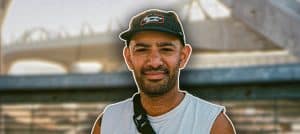
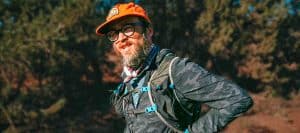
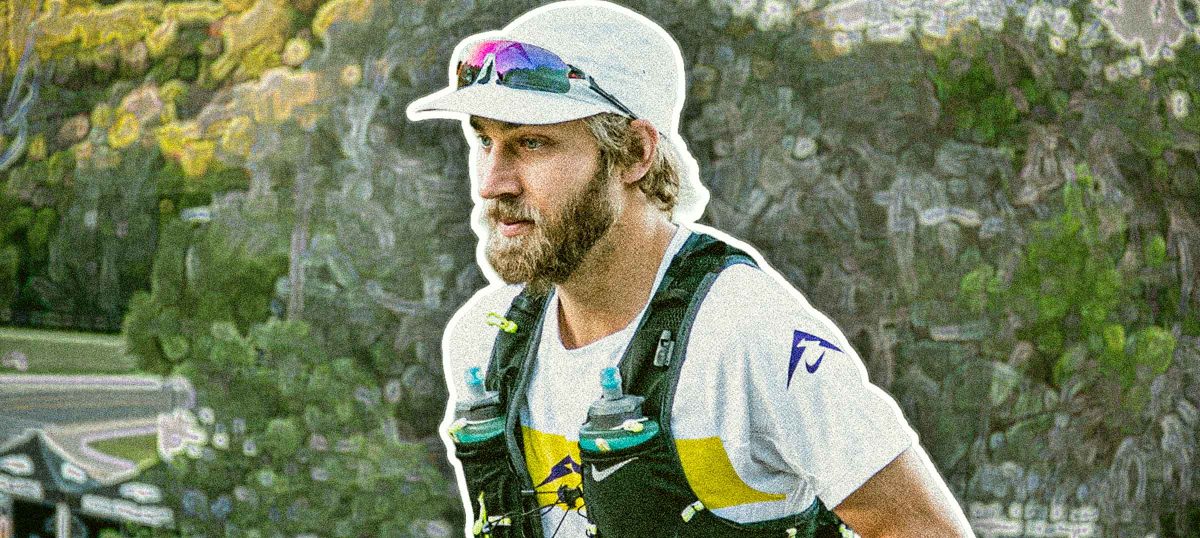
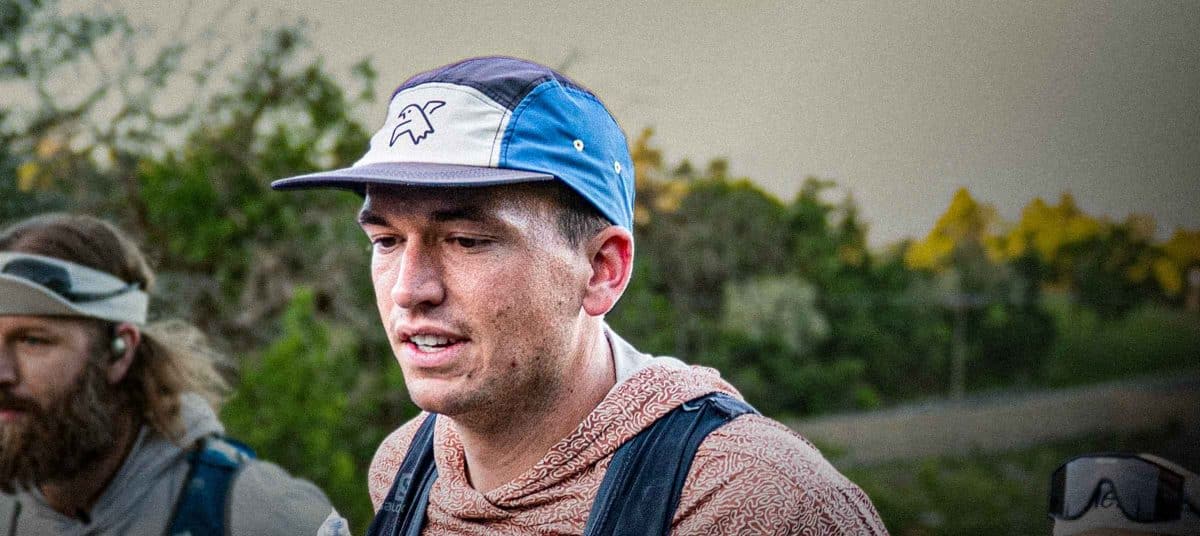
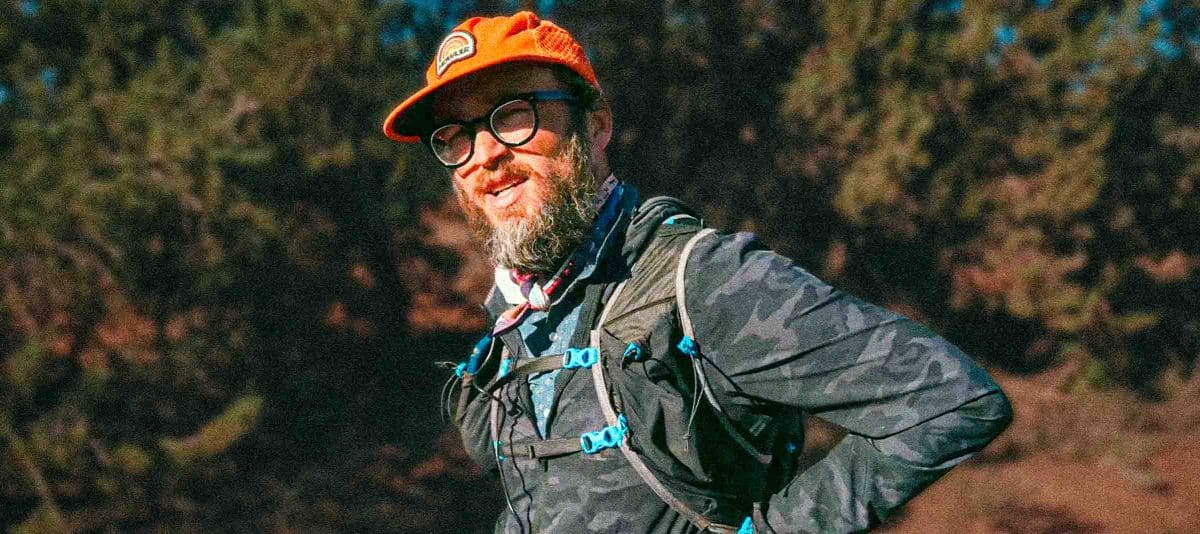
Joshua Landvatter and Kaden Coleman are both attempting four 100-mile races in a single summer. But what shows up in this conversation has very little to do with racing.
Instead of motivation, this gets into what’s underneath it. Control, presence, grief, and the reasons people reach for something this extreme in the first place.
This one’s for runners and anyone trying to understand why comfort isn’t always enough. Follow the show for more conversations like this.
Please give us a follow, rate the podcast, and leave a review.
Related Episodes
• Ultra Running isn’t Just Running
* Nils Arend, TSP Founder
• Mike Kratzer + Tom Reynolds at UTMB
* 20 Minutes with Mike Kratzer
Presented by Kiprun.
Transcript
Show Transcript
B O R D E R L A N D S • Trail Running (00:00)
So it’s the, from what I understand, the original Grand Slam, which has emphasis on a lot of the original 100s in the country.
realized that this is probably kind of a one and only chance for us non -elites to do the Grand Slam.
What is an average, let’s say within the Grand Slam, what’s your ambition of an average training week going to look like once you’re in the heat of it? After, let’s say after a hundred mile or number one, you’ve got three more, you’re trying to keep volume high. What are you doing those weeks? So it’s, I’ve, when I’ve done,
A lot of hundreds over a summer in the past, what I have found, at least for me anecdotally, to work is, you know, the week after is just a lot of walking and hiking, just active recovery. Passive recovery is, I don’t think… can’t do that. Yeah, it just doesn’t work. Especially, I don’t think it’s as efficient. I think that the key to recovery is blood flow and keeping movement.
Uh, hiking, walking is the best way to increase that blood flow for recovery purposes as well, without really putting extra strain on your muscles while they’re trying to recover. So, um, a lot of the first week after is just a lot of hiking, walking, maybe at the end of the, you know, the first week I’ll start running again. And then I try to, you know, um, keep mileage high, probably around, you know, 70 miles, two to three weeks out. Um, if they’re, um, you know, big.
Sometimes I’ll push over 100 if I’m feeling good, but usually I try to stay around the 70. So then practically take me through that. What’s a 70 mile a week look like? You can’t get all that before sunrise, can you? A lot of the time. Really, you are. And usually in the past, what has been nice with my school schedule is in the summertime things lighten up a little bit, so I have a little bit more time. OK.
But like during school semesters, there’s no way I could possibly do that unless I’d only sleep four to five hours a night. And what kind of gain are you trying to get in those 70 miles? I try to do probably right around 12 to 13. OK. Keeping, you know, what I have found is when I increase the volume, I have to decrease the speed.
Yeah. So then I’m less prone to injury that way. And then I’ll adjust depending on how I’m feeling elevation profile. So are your, are your goals? I mean, we’ve been talking about it in miles, but are your goals miles or your goals time on your feet? It’s depending on how I feel actually. Yeah. I think these rigid programs people can follow, but if you didn’t get sleep because of a sick kid the night before doing that, you know,
30 miles that day is going to actually be counterproductive. Yeah. And so it’s all about flexibility and just kind of learning over time what is appropriate for your body and mind. And so then you’re able to train in a way that you’re actually able to assimilate that training.
How did you get into this sport? It’s kind of an interesting story because I came from more of like, you know, I wanted to run a marathon. So I’ve got all these like documented programs and training schedules and, you know, all I care about is my fitness and this and that. Yeah. I still care about my fitness. Don’t get me wrong. Sure. But yeah, I started training for a marathon and I got into wildland firefighting. And I remember I met this guy named Daniel.
Right? And so Daniel was this crazy guy. He was the only one that could keep up with me on runs and mics and everything. And one day he was like, Hey, you should, uh, you should come on like an adventure run with me. And I was like, that sounds stupid, man. And he’s like, no, seriously. Like there’s these things called a hundred milers and this and that. And he had done his first one when he was like 16 or 17, I think. Oh, really? Yeah. So he, he did, I want to say it’s like, how do you say it? Pinotty pin, Hody.
Oh, isn’t that in the Tennis? Arkansas or Tennessee or something? Yeah, one of those. I don’t know. The Penkote 100? He was stuck on a chicken farm and just bored. And so he got into it. Anyway, so he did that and he told me to do it. And I ended up, one day we did a bike and hike where we went up Mill Creek Canyon and then we kind of did like mountaineer up Gobbler’s Knob and back down and awesome day, right? Yeah. And so I started hanging out with him more. We do more adventure runs. And Daniel actually went missing two years ago now in the San Juans.
where Ure is coincidentally.
So he disappeared, never found him? Yeah, disappeared. He went out to help out at Hard Rock and then he paced his buddy in some other race out there. And then yeah, just doing big mountain objectives and didn’t make it home. Oh man. Yeah. But yeah, so that’s kind of what got me into it. He was around when I did my first 50K. I started kind of branching in. Trails were way more fun. I had a blast.
But yeah, then when he disappeared something lit a spark and I was like, you know what hundred miler here we go and whoa Yeah, I went for it and His big thing was he always taught me, you know, like there’s so many especially young kids that are getting into the sport Yeah, you got to respect the mountain and respect the sport. Yeah
coming into it with all these preconceived notions of pacing and programming and all that stuff, it just doesn’t work. And if you do that, at the end of the day, you’re not respecting yourself, you’re not respecting the mountain. We were always obsessed over Jared Campbell’s blog and all the stuff that he would write. And out in the La Sals or wherever we’re at, the mountain doesn’t care what your program is when a thunderstorm comes through.
Like there’s times where I’ve been out with him and other friends and we’ve had to bivvy down. But yeah, to me that’s what got me into is just the whole adventurous aspect of it. Getting away from like that whole regimented thing to, okay, I want to connect more with my body now and take my fitness in this adventurous, more natural route. It’s what we’re supposed to do as humans. We’re supposed to push ourselves and work.
you find enjoyment in it. Everybody has mental benefits.
Yeah, good point.
Yeah, mean, Landy, how do you juggle?
being a dad and a husband. Like, you gotta have a supportive wife, kids who get it, you bring them along, I see sometimes. Yeah, I think it’s having realistic expectations that you’re never gonna have great balance. Yeah. Yeah, throwing the idea of balance out the window. Yeah, it’s just, it’s just, and it’s, you know, the whole balance argument, it’s always a moving target, too. And so, just kind of, it’s gonna be chaotic and…
Yeah, I mean, thank goodness I have a wife that is understanding as she is. But then, you know, I need a balance that I need to be there for my family too. And sometimes it’s more in balance than others and, you know, and then you just have to adjust accordingly. But I think, you know, settling on embracing just the, you know, knowing that balance is a juggling act, it’s, it’s, it’s your…
you might cross paths with it momentarily, but there’s just going to be fleeting moments that you have that. And so just realize that the balance, sure, strive for it, but realistically, good luck. Good luck. How old are your kids? I have one that’s 13 years old, and then I have a two and a half year old toddler. So that one is the one that takes a lot more work. But as parents realize, you know.
hindsight, it’s worth it. Sometimes in the moment you’re just like, what the hell did I get myself into? It’s tough too, because you can feel selfish when you’re doing this sport. And a lot of people look at it as a selfish sport because you have people taping up your feet and traveling just to watch you potentially not even finish a race. It depends on who, yeah. But at the same time, it’s like if you look at that from the other aspect, maybe in his kid’s eyes, he’s a better dad after.
a run or some time out doing what he needs to do, you know? And it’s a sacrifice and there is a fine line and balance with everything, right? But I think that’s an important part too, not to, you know, crush yourself with those feelings, because you’re just making yourself better. Yeah, well said. And someone who’s ambitious, we’re just putting our ambition into trail running. If we didn’t have trail running, we’d probably be ambitious in something else that wasn’t at least a net positive in our life.
I mean, I’m not saying that you guys are, but in the number of recovering alcoholics I’ve met out on the trail, trail running has been a tremendous gift to me in slowing my drinking and all that sort of stuff. It’s a net positive, so if it wasn’t trail running, it’d probably be something else not as good for me personally.
What I struggle with was just the way that my brain works is that I’m not good at the unknowns. I will study and read and talk to people, and then every time, oh, I didn’t think about that. Now I can think about it, file it in my brain. But my last Wasatch attempt, I had not had any alcohol for 12 months leading up to it. I had cut added sugar entirely. I had lost 20, 25 pounds.
And I was crushing. I had passed lambs with it still daylight. That was one of my goals. And I would have made it to upper big water still in daylight. And then we’re going, and then a storm hits. And I hadn’t contemplated that prior to. And I think one of the hardest things for me is to be able to, I’m good with the knowns. I’m really bad with like,
the unknowns because the unknowns are such a wide variety. Like in all of my efforts, there’s so many things I’ve accounted for. I can account for running out of water now. I have a strategy, I have all these, but then it’s all of sudden flash flood. I never thought about that. And then it just wrecked me. I think sometimes it’s problem solving and sometimes your problem solving won’t even work out, right? Like I said, like if Savannah wouldn’t have brought those shoes, I would have bailed. I don’t think I would have stuck with a 50K for the whole thing. But that also speaks like…
Wonders to like support systems. Yeah, you have on your team, you know Yeah, cuz I can think also last year saddled like I DNF saddles last year and like mile 76 hmm And I think my biggest downfall was going into it in this like dark alone place You know, like I went I flew out from paramedic school drove from Phoenix to Prescott Slept for like 40 minutes in my car and then just went out and did the race and totally alone. No, no, totally alone. No crew. Yeah
And you know, I encountered problems and I tried solving them. I was calling people like, hey, what do you think about this? Bouncing ideas. And it worked for most of the time, but ultimately like the problems added up enough to where I didn’t have someone that had my back. And it was game over. After you DNF’d and got some sleep, do you feel like you made the right call to DNF it? You could have got going maybe. Yeah, I feel horrible, but you live with it. You you make mistakes. Oh I know.
The worst part was is, yeah, so, what’s his name? The race director, you just interviewed Mike. Verstieg, Michael Verstieg. So his mom picked me up and took me back to the start line. That’s funny. And my car was right there at the finish line. And so I fell asleep in my car like immediately the second I got back. And the worst feeling I’ve felt in a long time was hearing like all the cowbells and everything waking me up in the morning, you know?
Yeah, but you live with those mistakes and you learn from them. I’m not the kind of guy that can do all that stuff on my own. I realize that. Yeah, I want to be. So part of me going into my Zion attempt is that I’ve always had these sort of phobias and I’ve dealt with like seeing you pick up wild snakes just blows my mind. Snakes were a huge one for me, but I spent like…
focused years getting over that phobia by like being around him, being around him. I tried to just jump into getting over the phobia once when I was 19. And so a friend had like a very like chill boa constrictor or something like that. He’s like, yeah, it’s just gonna put its head on your hand and you know, it’s real chill. And it put its head on my hand and I passed out. I was standing up, I fell right to the ground.
But over time, like, so I’d go to the zoo and I would stand in front of, well first I had to watch them on TV. I had to be able to see them on TV. Then I went to the zoo where I could be close to them but there was a barrier. And now when I see them out running, like, I actually will stop and take pictures. I don’t know that I’ll ever touch them. But one of my other phobia of that scale is the overnight alone. Or like the dark of the wild. And so one of the things I’m looking to do here at Zion is at least spend a good chunk of that.
alone, but I also feel like in that case, I’m setting myself up. Am I setting myself up for another DNF? But I also, it speaks to that we’re always doing other things with our minds also when we’re doing these ultras. Yeah. I think, I mean, potentially you could be setting yourself up for a DNF, but I think you could be setting yourself up for, you know, kind of empowering yourself in a situation in future encounters, you know, at night by yourself. They’re like, oh, I’ve done this.
I can do it again and that’s okay. That’s what I want. Yeah. And building that confidence within yourself, I think is the, is the best approach, um, longitudinally to, uh, continue to do these races is just to condition yourself to be okay with it. Yeah. And so, you know, preparing yourself psychologically and saying this, I’m going to do this segment by myself.
on purpose in the middle of the night. But then you know you have a light at the end of the tunnel, someone will meet you the second half of the night or something, I think is probably a great way to go about it. That’s good, I appreciate that. And you know yourself better than anybody else, right? I could have told you that if I found myself in that situation, it would have gone bad, because before I even entered the race, I feel like I was in this depressed, emotional…
state of mind where I set myself up for failure with that and that’s one of my biggest takeaways. I think I could go back and do that race alone. There’s stuff that I think I could do alone, but you kind of have to consider those things. It goes back to what I said earlier, you got to respect the sport, respect the mountains, respect whatever it is. You can’t just think you can overcome, or not even think you can overcome things, but…
not think you can, you know? You gotta have somewhat of a plan.
Last question, but for each of you to answer. Landy, everyone says you have to have your why. And I can go back and forth on that, whether or not you do. But do you have one that you can call on immediately? Because also just loving it is a great why. But what’s going to drive you through these four?
Races. There’s not really just one why. Yeah. And I think you can have as many different answers for that as many different people there are. And for me, it makes me, it feeds that ambitious side. It makes me, I think, a more sensitive individual to my family.
it makes me less emotionally reactive in life. Interesting. And so I see a lot of the inherent pros related to it because, you know, essentially, there’s only so many things you can dedicate your bandwidth to. Right. And…
What, uh, ultra running has done for me is it helps me really select that appropriately, um, by, you know, better emotion regulation, being more present with, uh, my family when I’m with them or when I’m, um, with friends or work it, uh, what has taught me most. And that’s why I keep doing them essentially is how to be present in the moment and just, um, you know, except everything that, you know, face value in the moment.
man, that’s good. So yeah, I mean, there’s elements of that that’s the why, but it’s also like, this is the one, you know, oftentimes what you get with the sport is when someone who’s never done it and they talk about it, usually they assume you’re going to say something about fitness and just no one talks about fitness. Like fitness is important, but it’s like number 10. So even to hear you say you’ve got your why there plus like your outcomes of this, like that’s why this is such a beautiful sport to me. Yeah.
But so for you, same question, what’s going to drive you through all these races at this? And I think like, I’m curious, and this is very general, but like, how does it, with you being a first responder as well, like, does your ultra running inform your day job? Does your day job inform your ultra running? So those are, that’s a wide spectrum there, but so just go there wherever you want with that. I mean, my, my why has kind of evolved over the very short time that I’ve been involved in this sport. Yeah.
Like it definitely started out as like wanting to be like better and like the badass that’s going after it and doing all this cool hard shit that nobody else does. Yeah. You know, and I think it’s evolved more into like similarly to what he said. It’s emotional and it’s like when I’m out running and doing long efforts and everything, I told my wife this one time I came into an aid station smiling.
And I was like, I just cried like 10 minutes ago. And I like, I never cry. Like I never feel those emotions. I struggle with depression and stuff like that. And so it’s awesome to be able to like experience those emotions, those highs, those lows, and then be able to apply it to real life or come back to real life when I’m done, when I’ve gotten through that. And, you know, just have a better understanding of myself and my relationships with, you know, my wife, with my family, with…
everybody, you know? And then you throw in the whole first responder thing to it too, and it is tough. You see stuff that people can’t even imagine. And there’s definitely days, today’s a perfect example. I got a three day shift today, somewhat of a rough shift with different calls that can affect someone mentally and no need to go into detail. First thing that I did was go out to Antelope Island and…
cruise through like 14 miles before I came here. It helps me reset everything and just, you know.